The short answer
Three items prevent most of what plumbers get called out for: disconnect every garden hose in the fall, flush the water heater once a year, and make sure every adult knows where the main shutoff is and can turn it. Everything else on the seasonal checklist is a smaller marginal gain than those three.
Nearly every plumbing emergency we run was preventable, and the prevention was usually free and took under ten minutes.
Here is the whole list, organized by season. Nothing on it requires special tools beyond a ten-dollar pressure gauge and a garden hose.
Do this once, today
Before any seasonal item: find your main water shutoff. Confirm it turns. Make sure every adult in the house knows where it is and can operate it. Put a label on it.
In a burst pipe emergency, the time spent hunting for the shutoff is the difference between mopping a floor and rebuilding a room. It is the highest-value five minutes of home maintenance available, and almost nobody does it until after their first flood.
If your home does not have an accessible main shutoff — common in pre-1960s houses around Fredericksburg and Falmouth — having one installed is genuinely worth doing.
Spring
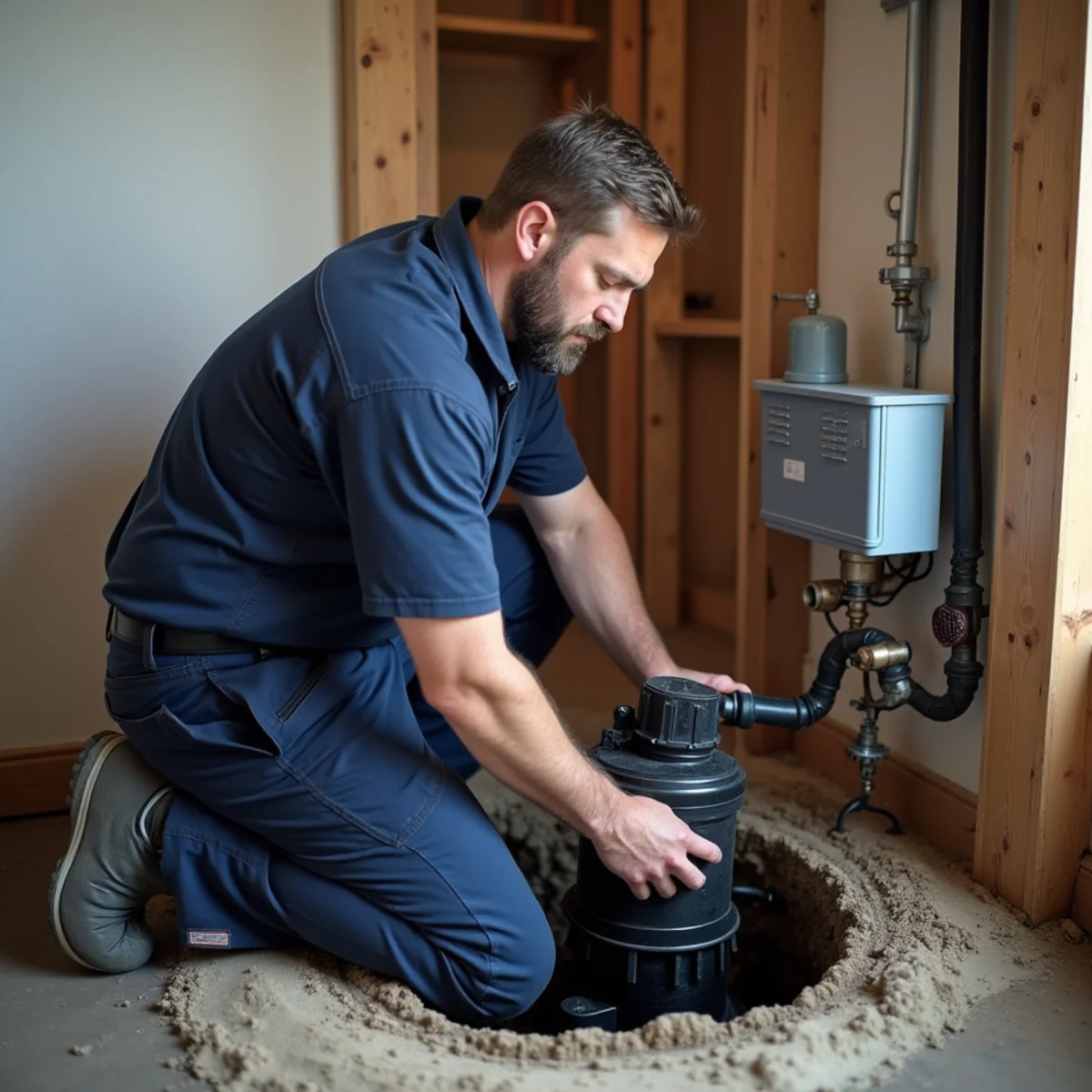
Test the sump pump
Pour five gallons of water into the pit slowly. The float should rise, the pump should start, water should drop, and it should shut off cleanly without cycling back on. If it hums without pumping or does not start, deal with it now rather than during the first big storm.
Check outdoor spigots for freeze damage
Turn each one on and put your thumb over the opening. If you can stop the flow easily, or if you hear water running inside the wall, the bib split during winter. This is a very common spring finding here and it needs fixing before someone connects a hose to it.
Inspect the irrigation backflow device
Freeze damage to irrigation backflow assemblies is a recurring spring problem, and the resulting leak is invisible and expensive. Check it before you turn the system on.
Clean gutters and check downspouts
Not plumbing exactly, but it is the leading cause of the basement water calls we run. Downspouts should discharge at least six feet from the foundation, further if the grade is flat.
Walk the crawl space or basement
Ten minutes with a flashlight. Look for damp insulation, staining on framing, mineral deposits at pipe joints, and standing water. Problems found here have usually been running for months.
Summer
Flush the water heater
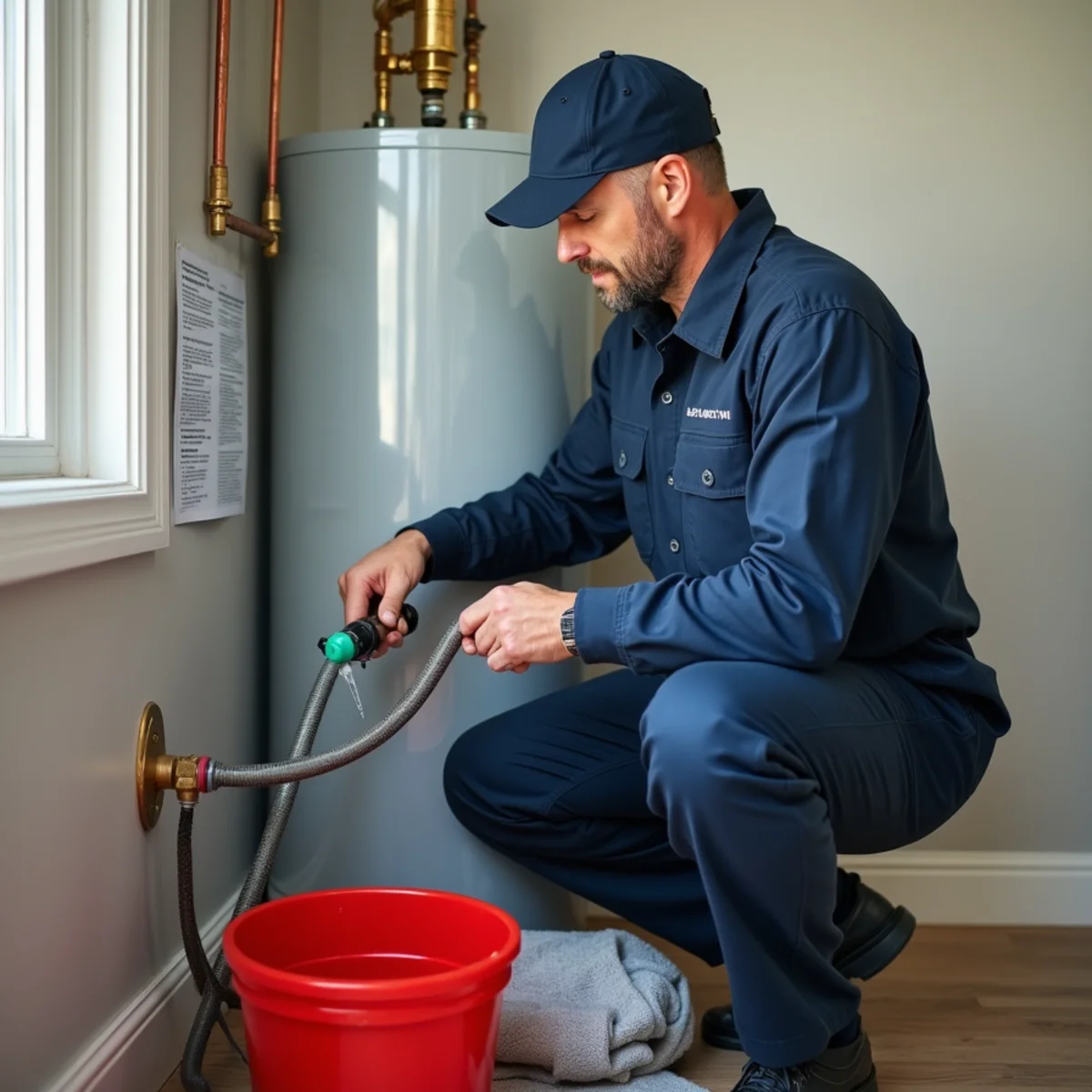
The single highest-value maintenance item in this water. Shut off the fuel or power, close the cold inlet, run a hose from the drain valve to a floor drain or outside, and let the tank empty — briefly reopening the cold inlet partway through to stir up sediment.
Local hard water deposits scale on the tank floor, which insulates the burner and reduces usable capacity. An annual flush genuinely adds years here.
Check the water heater's age and anode rod
Decode the serial number on the rating plate to find the manufacture date. If it is around year five, replacing the sacrificial anode rod is one of the highest-return maintenance items there is — the anode corrodes so the tank does not.
Test water pressure
Thread a gauge onto a hose bib with everything else off. You want 45 to 75 PSI. Below 40 suggests a pipe or pressure-reducing valve problem. Above 80 is quietly damaging every fixture and appliance in the house.
Dye-test every toilet
A few drops of food coloring in each tank, no flushing, check the bowl in twenty minutes. Color means the flapper is leaking — the single most common silent water waste in a house, and a several-dollar part.
Clean aerators and shower heads
Unscrew, soak in white vinegar for an hour, rinse and reinstall. Restores flow at no cost and takes ten minutes for the whole house.
Fall — the important one
Disconnect every garden hose
The highest-value ten minutes of the year. A connected hose traps water in the bib, defeats the drainage the fixture depends on, and turns an ordinary freeze into a split pipe inside your wall. Every hose, including the one behind the shed.
Insulate exposed pipe
Foam sleeve from any hardware store on every supply line you can see in a crawl space, garage, unheated basement or exterior wall cavity. Pay particular attention to runs near foundation vents.
Close crawl space vents
If they are manual, close them. If automatic, verify they actually close. An open vent on a windy fifteen-degree night is the difference between a pipe at forty degrees and one at twenty.
Test the sump pump again
Same five-gallon test. Also check that the discharge line outside is clear and cannot ice closed at the termination.
Shut down and drain irrigation
Blow out the lines if your system requires it. A cracked irrigation line discovered in April has usually been leaking since January.
Winter
During cold snaps
- Open cabinet doors under sinks on exterior walls so heated air reaches the pipes.
- Let a vulnerable faucet drip. A pencil-lead stream relieves the pressure that actually bursts pipes.
- Keep the thermostat steady rather than setting back at night.
- If you leave town, do not set below about 55 degrees, and have somebody check the house.
Watch the water bill
A bill that jumps in winter with no change in habits frequently means a freeze-damaged line leaking somewhere you cannot see. Run the meter test.
Things worth doing every few years
- Replace braided supply connectors under sinks and behind toilets. They fail at the crimp, often into a cabinet floor. Proactive replacement is one of the cheapest risk reductions in a house.
- Replace seized angle stops with quarter-turn ball valves, so you can actually isolate a fixture when you need to.
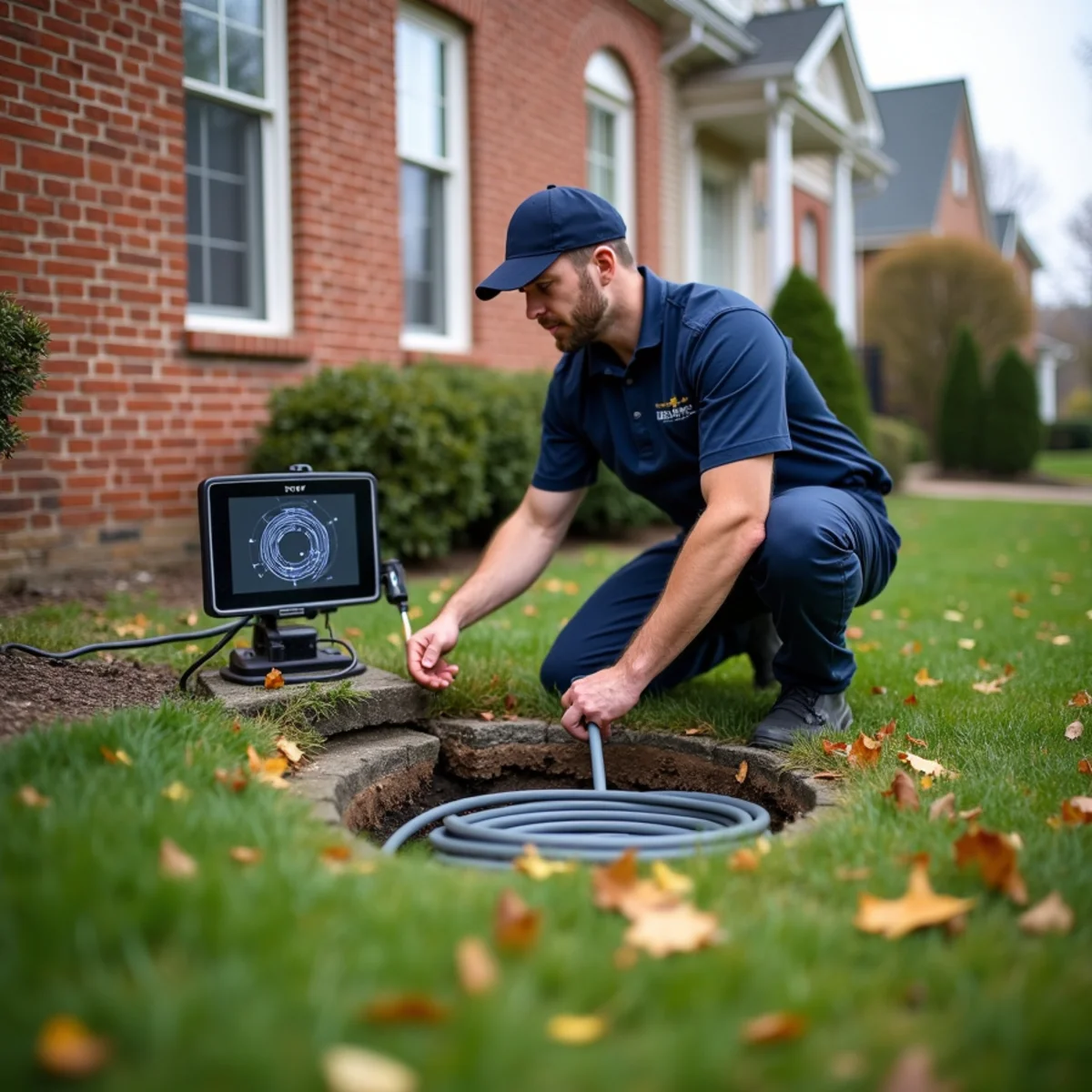
- Camera the sewer lateral if you have mature trees between the house and the street.
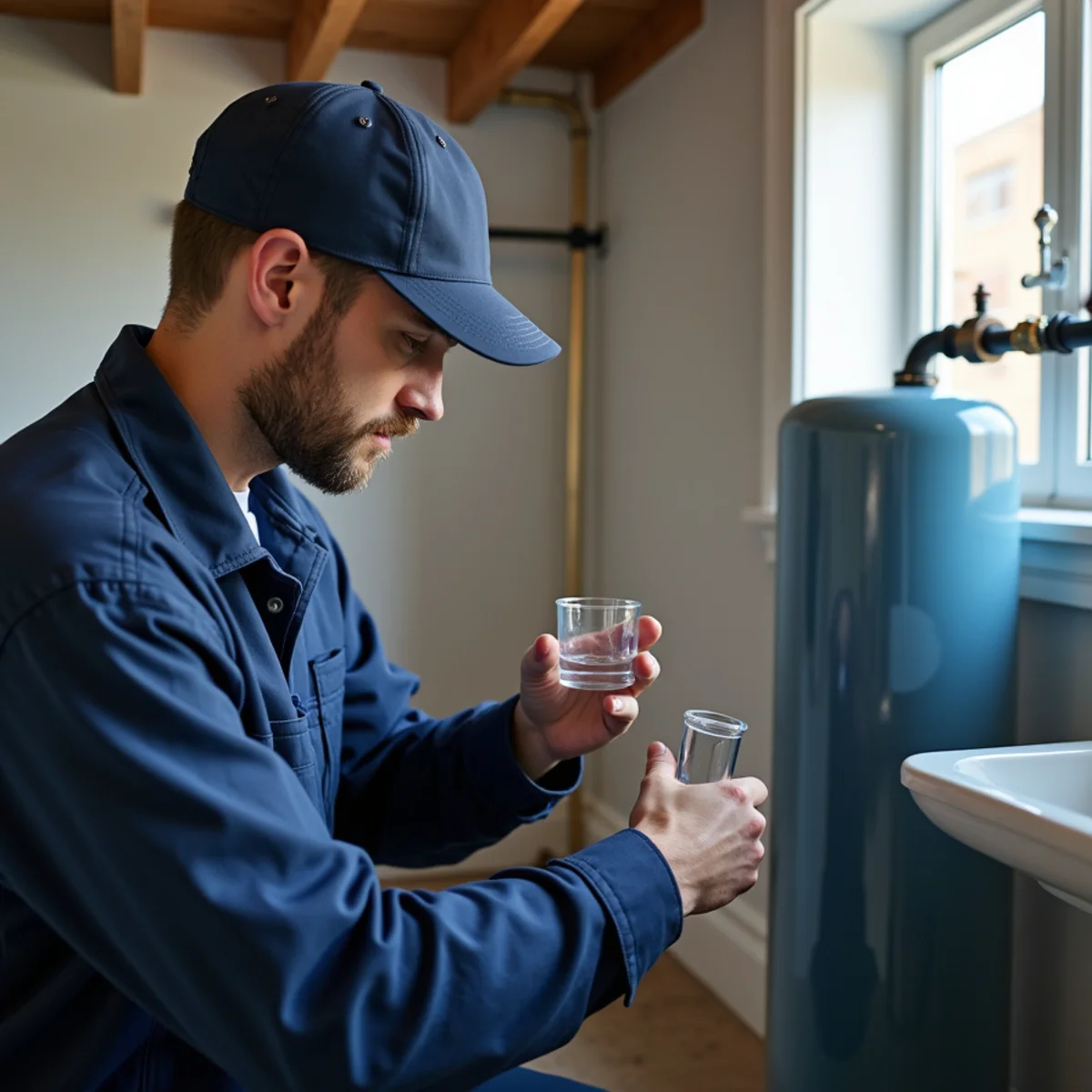
- Test well water for bacteria and nitrates annually if you are on a private well — that one is yearly, not occasional.
- Descale a tankless water heater annually. In this water it is not optional.
What never goes down a drain
Wipes of any kind, regardless of the label. Cooking grease and oil. Coffee grounds. Rice, pasta and potato peels. Fibrous vegetables like celery and corn husks. Paper towels. Cat litter. Dental floss.
Those items account for most of the avoidable drain calls we run. A hair catcher in every shower handles most of the rest.
The honest summary
If you only do three things: disconnect the hoses in the fall, flush the water heater in the summer, and know where your main shutoff is. Those three prevent the majority of what we get called out for.
The Annual Plumbing Maintenance Checklist for Virginia Homeowners — at a glance
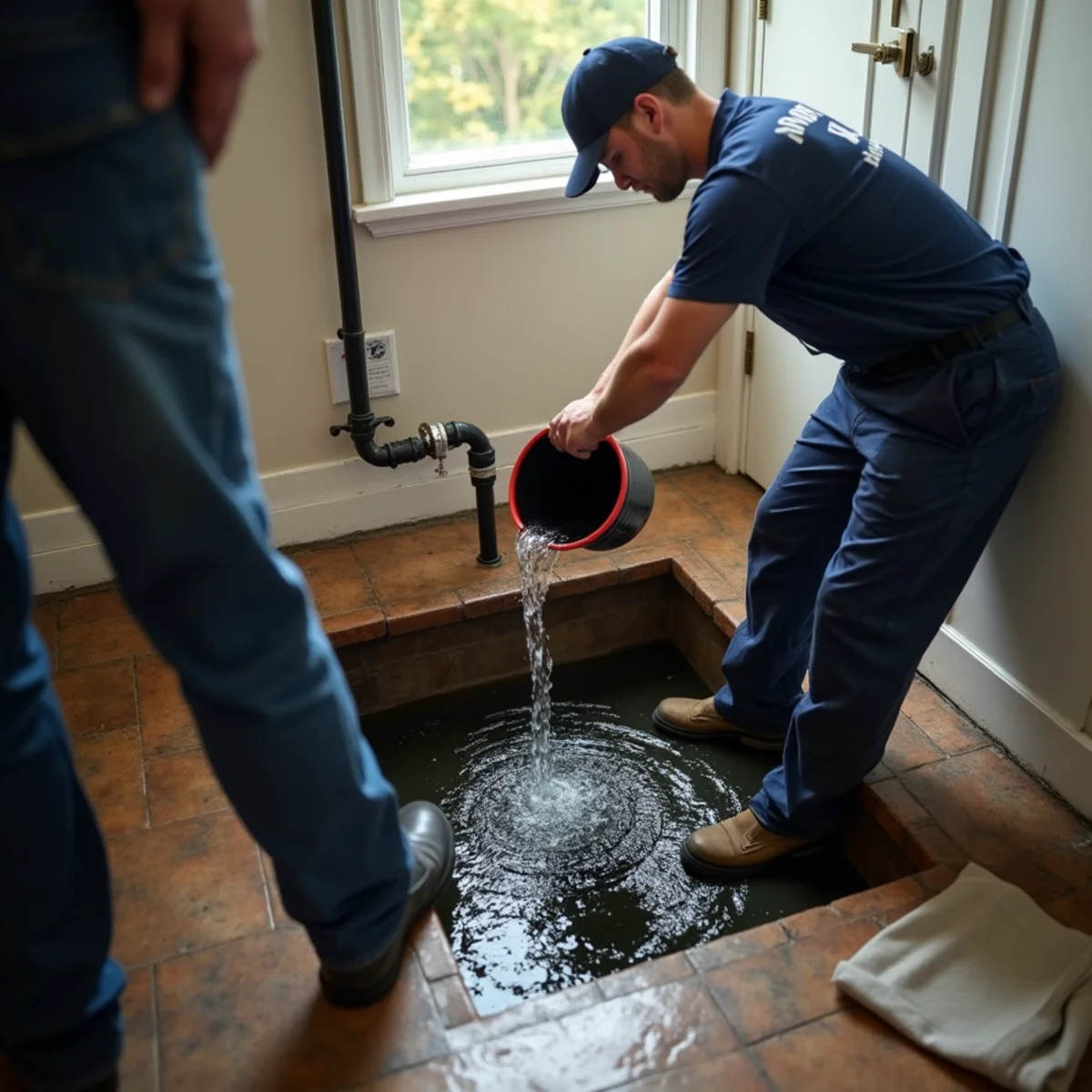
Spring — test the sump pump 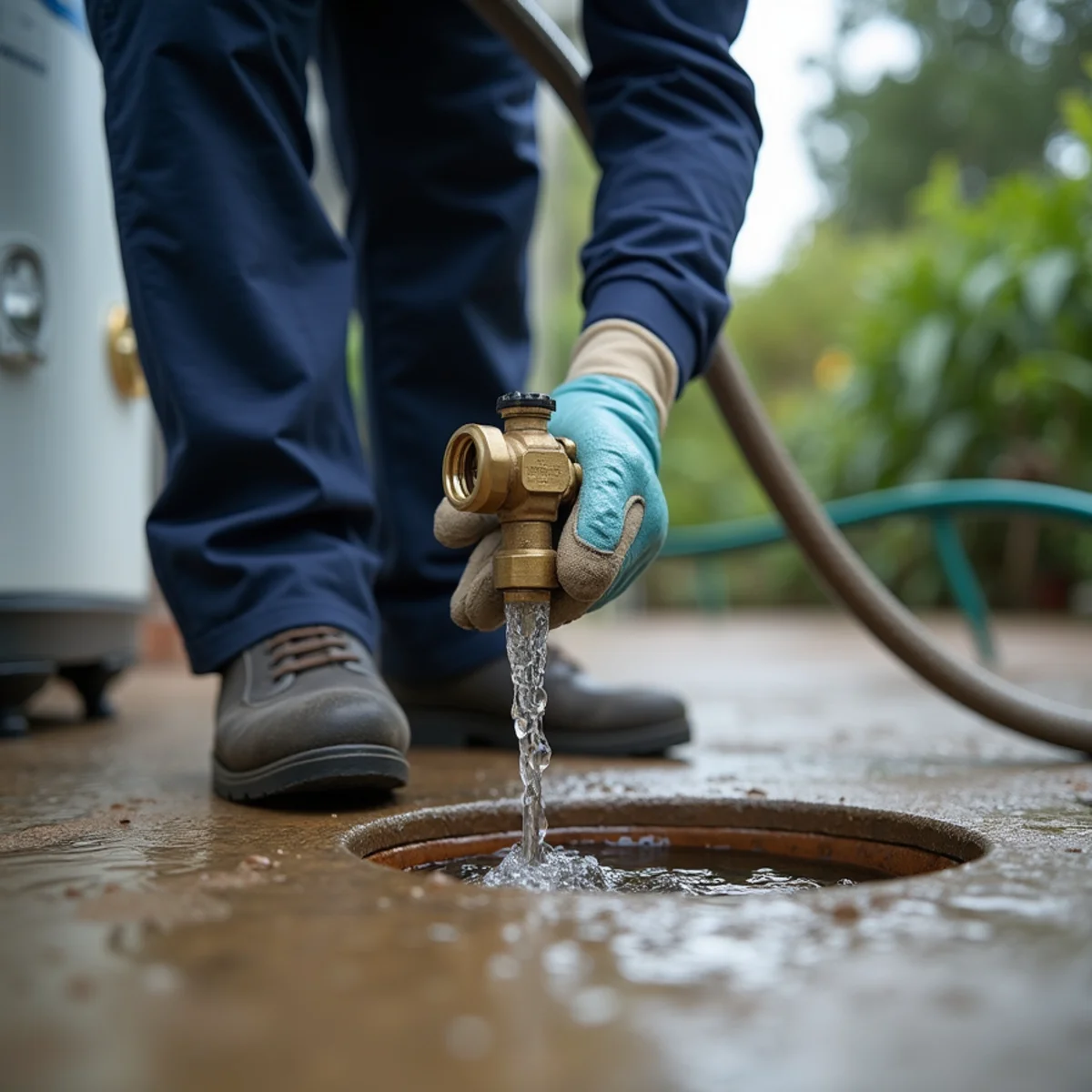
Summer — flush the water heater 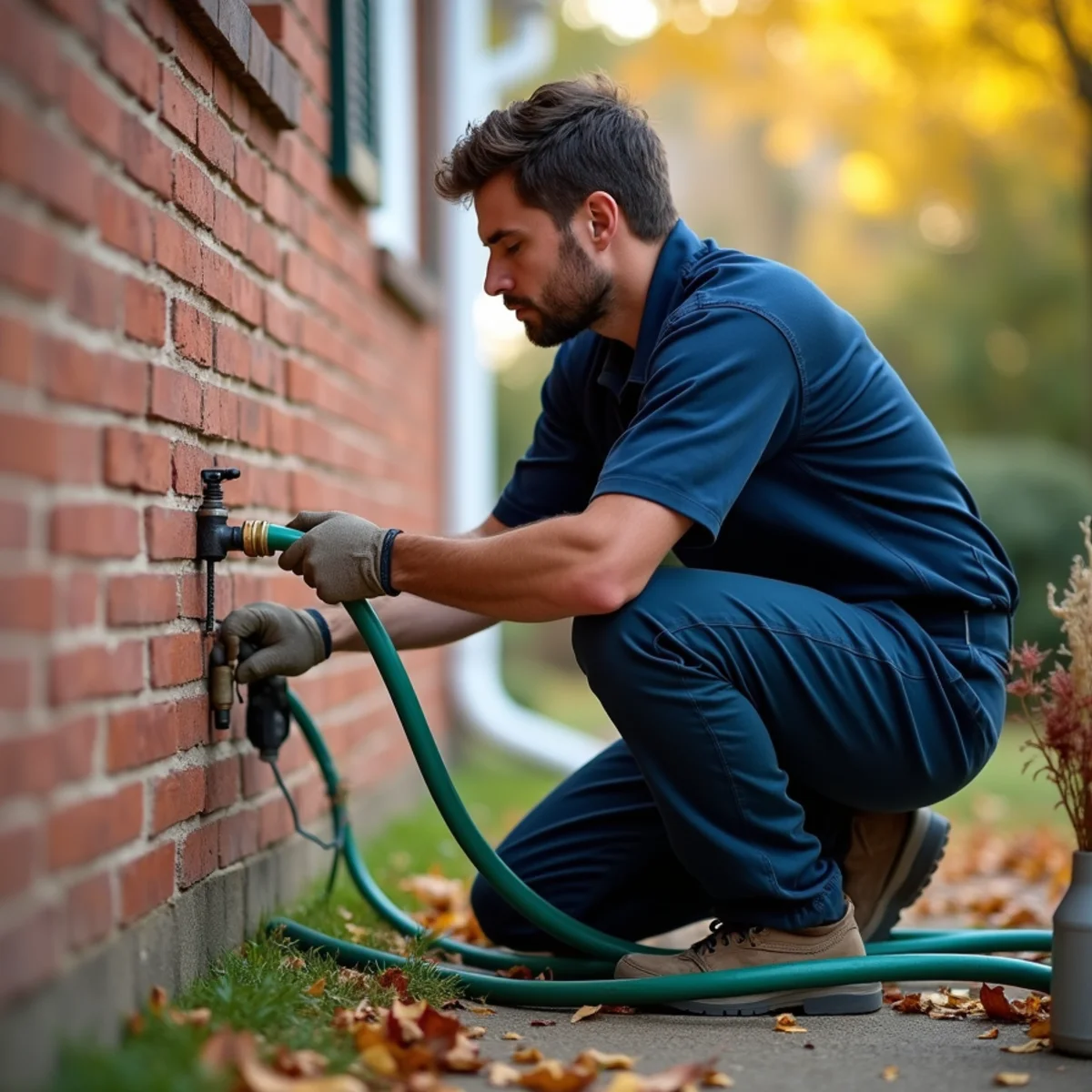
Fall — disconnect every hose 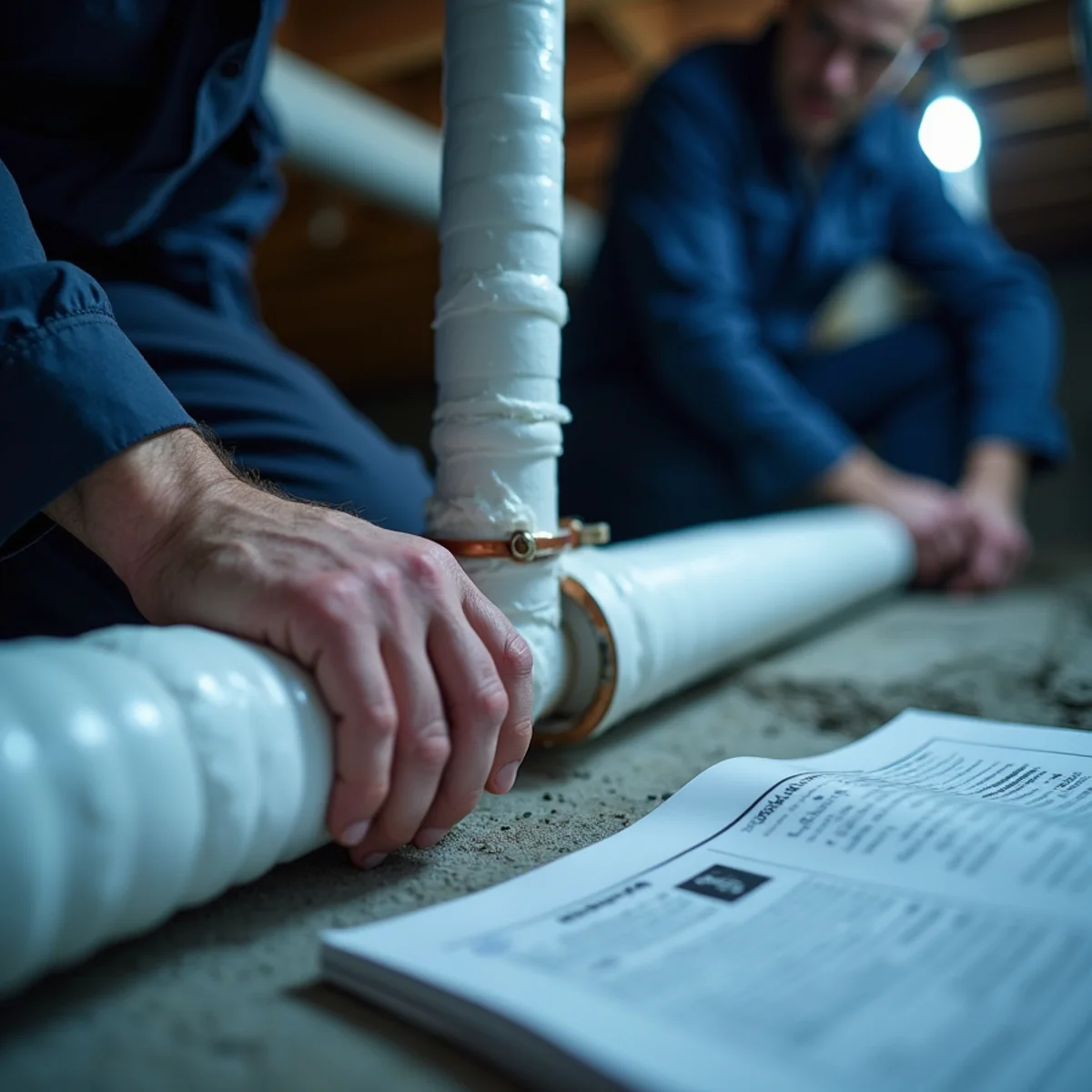
Winter — insulate exposed runs
Related services and areas
If this article describes what you're dealing with, these are the pages that cover the fix.
Frequently Asked Questions
Annually, and it matters more here than in areas with softer water. Local mineral content deposits scale on the tank floor, insulating the burner and reducing usable capacity — which is why water heaters in this area frequently fail earlier than the manufacturer's estimate. It takes about an hour with a garden hose.
Knowing where your main water shutoff is and confirming it turns — for everyone in the household, not just you. In a burst pipe emergency the time spent hunting for it is the difference between mopping and rebuilding. Second place goes to disconnecting garden hoses before the first freeze.
Put a few drops of food coloring in the tank and do not flush for twenty minutes. If color appears in the bowl, the flapper is not sealing and water is passing continuously while the fill valve tops it back up. It is a several-dollar part and a large water bill if ignored.
Braided connectors under sinks and behind toilets are worth replacing every several years, yes. They fail at the crimp without warning, frequently into a cabinet floor where the damage accumulates unseen. The parts cost very little and the failure they prevent does not.
Want it handled?
Talk to a Licensed Fredericksburg Plumber
Written, itemized estimate before we start. We'll also tell you honestly when the answer is that you don't need us yet.
- 4.8 stars · 26 reviews
- Licensed & insured
- 24/7 emergency service