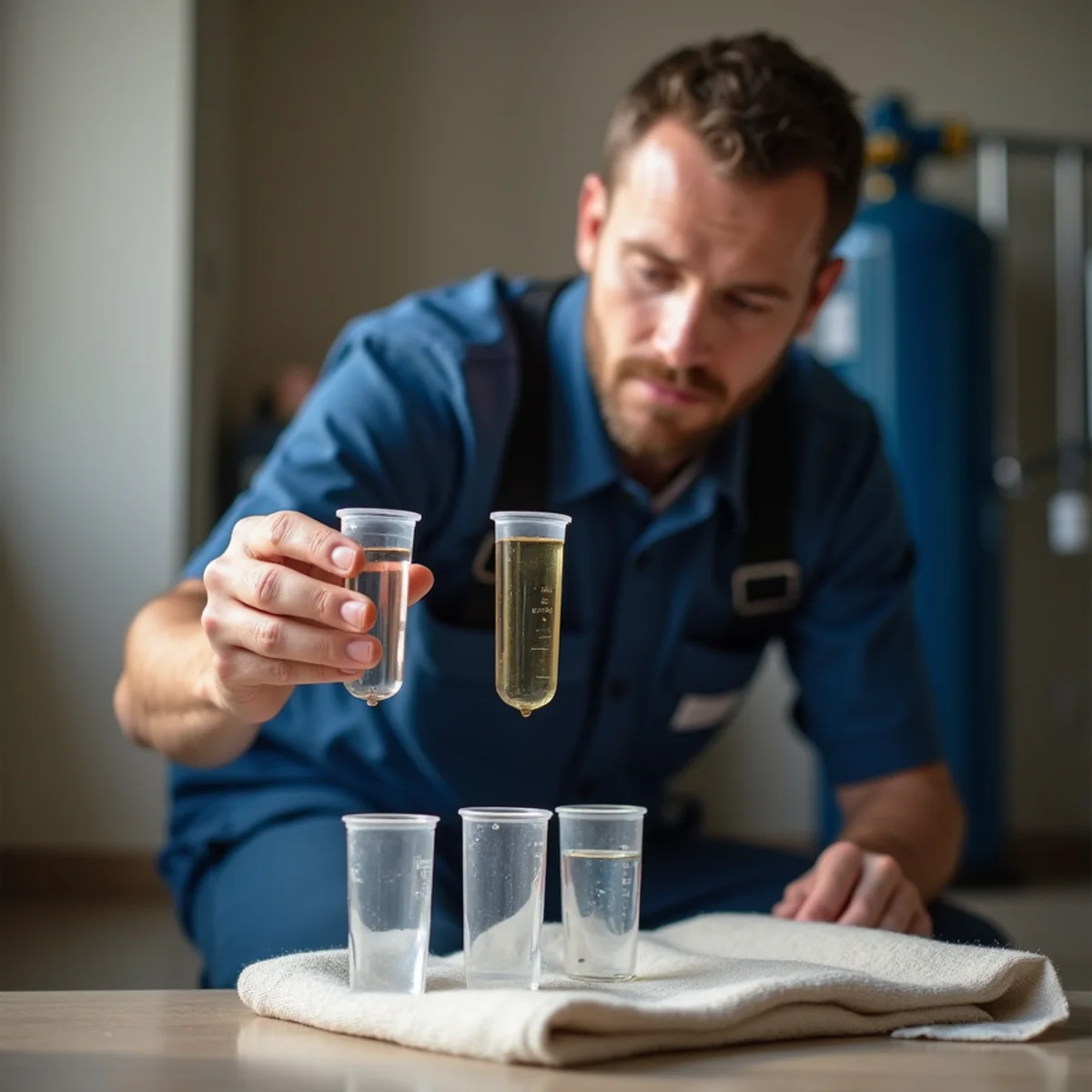
Water softener installation in Fredericksburg, VA should begin with a hardness test, not a sales visit. We measure grains per gallon, size the unit to that number and your real water use, and install it on the main with a proper bypass and an air-gapped drain. Sometimes the honest result is that you do not need one.
A water softener removes the calcium and magnesium that make water hard, by passing it through a resin bed that exchanges those minerals for sodium. That is the whole mechanism, and it is worth being precise about it, because this is the corner of plumbing with the most aggressive sales behaviour and the least homeowner information.
Whether you need one, and what size, comes down to a measured hardness number. We test first, every time. Sometimes the honest result is that a softener is not what your water needs.
How a water softener is sized
Sizing is hardness in grains per gallon multiplied by the gallons your household actually uses per day. That gives the daily grain load, and the unit is specified to handle it with a sensible regeneration interval — not so often that it wastes salt and water, not so rarely that the resin sits exhausted.
What sizing is not is a count of bathrooms, which is the shortcut used when nobody has measured anything. Two households with the same number of bathrooms and different hardness need different units, and the same house on a well versus on municipal supply can need a different unit again.
- Undersized: regenerates almost daily, consumes salt and water, and lets hard water through at the end of each cycle
- Oversized: the bed channels because flow never engages the full resin volume, so it treats worse than a correctly sized unit
- Correctly sized: regenerates on a sensible interval, uses the resin evenly, and holds output hardness steady
Salt-based softener or salt-free conditioner
This is the question we are asked most, and the answer is not subtle. A salt-based softener removes hardness: test the water afterwards and the grains per gallon have genuinely dropped. A salt-free conditioner does not remove anything — it alters how the minerals crystallise so they are less inclined to stick as scale.
Conditioners do reduce scale, and for some households that is enough, particularly where the goal is protecting a water heater and the hardness is moderate. What they do not do is give you soft water. Soap will behave exactly as it did, laundry will feel the same, and a hardness test will read the same as before. Anyone selling a salt-free unit as a softener is not being straight with you, and that is worth knowing before you sign.
Where a softener gets installed
On the main, upstream of the water heater, so that everything downstream is protected — the heater being the appliance with the most to lose. It needs a drain for the regeneration discharge, with an air gap so nothing can be siphoned back into the supply, and a power point for the control head.
It is normal to leave outdoor spigots and irrigation on untreated water. There is no reason to spend salt softening the water going on a lawn, and plants do not benefit from it. Where the existing plumbing makes that awkward, building the loop properly is part of the install rather than an upsell.
Maintenance, and what it actually costs to run
A softener is not install-and-forget. It needs salt, the brine tank needs checking for bridging and salt mush, and the resin benefits from periodic cleaning — more so on water carrying iron. We give you the realistic annual salt and water figure up front, because the running cost is part of the decision and leaving it out of the conversation makes a system look cheaper than it is.
If you are weighing a softener against the cost of replacing water heaters early, that total-cost comparison is the honest way to look at it. Hard water is the reason heaters in this area often do not reach their rated life, and treating it protects every appliance in the house rather than just the next heater.
What's included when you book water softener installation
Every one of these is part of the job, not an add-on we quote separately once we're in your house.
Hardness measured in grains per gallon
Plus iron and pH, and on a private well the other results that change the recommendation. The number decides the size, and whether you need a softener at all.
Sizing from hardness multiplied by real usage
Not from the number of bathrooms. Undersized units regenerate constantly and waste salt; oversized units channel and treat worse. Bigger is not safer.
A straight answer on salt-free conditioners
They reduce scale. They do not remove hardness, and your water will still test hard. We will tell you which one your situation actually calls for.
Installed with a bypass and a correct drain
A bypass so the house keeps water during service, a correctly sized drain with an air gap, and a loop that leaves the outdoor spigots on untreated water.
Programmed and demonstrated at handover
Regeneration cycle set to your hardness and usage, salt type and refill interval explained, bypass shown. You leave knowing how to run it.
The real annual running cost, up front
Salt and regeneration water are an ongoing expense. You get the realistic figure before you decide, not after the install.
Signs You Need Water Softener Installation
White crust on shower heads, faucets and glass
Scale is dissolved calcium and magnesium coming out of solution and depositing on everything the water touches. It is the most visible sign, and it is also happening inside the water heater where you cannot see it.
Soap that will not lather and laundry that feels stiff
Hardness minerals react with soap instead of letting it foam. You use more detergent, clothes come out of the wash feeling rough, and showers never quite feel rinsed.
Water heaters that keep failing early
Scale settles on the bottom of a tank and insulates the burner from the water. The unit works harder, runs hotter and fails sooner. Early heater failure is the single most expensive symptom of untreated hard water in this area.
Spots on glassware straight out of the dishwasher
Not a detergent problem. Dissolved minerals left behind as the water dries, which no rinse aid fully solves while the hardness is still in the supply.
A new tankless unit the manufacturer wants protected
Most tankless manufacturers either require or strongly recommend treatment on hard water, and will reference it in the warranty. Scale inside a heat exchanger is the main cause of premature tankless failure.
How We Handle It
Test the hardness before anything else
Hardness in grains per gallon, plus iron and pH, and on a private well the other results that change the answer. The number is what decides whether you need a softener at all and what size it has to be.
Size it from hardness multiplied by real water use
Grain capacity comes from your measured hardness and your actual daily usage, not from the number of bathrooms. Undersized units regenerate constantly and burn salt; oversized units channel and treat poorly. Bigger is not safer.
Decide where it can physically go
A softener needs to sit on the main before the water heater, with a drain for regeneration and a power point. Garage, basement and utility room installs all behave differently, and an unheated garage in a Virginia winter has its own considerations.
Install with a bypass, an air gap and a plumbed loop
A proper bypass so the house still has water during service, a correctly sized drain line with an air gap so nothing can siphon back, and a loop arranged so you are not softening the outdoor spigots and the irrigation.
Program it and show you how it runs
Regeneration cycle set to your hardness and usage, salt type and refill interval explained, bypass demonstrated. You should leave the handover knowing how to run it, not holding a manual.
What Moves the Price
We don't publish fake numbers, because a firm price quoted before seeing the job is either padded to cover unknowns or revised in your driveway. What we can do is tell you exactly what the estimate depends on, so you can read one and know whether it's fair.
The hardness number itself
Higher hardness needs more grain capacity, which means a larger unit. This is the single biggest driver and it is why the test comes before the quote.
Whether anything else has to be treated
Iron, low pH or sediment need their own stage ahead of the softener. A softener asked to handle iron it was not designed for fouls the resin.
Where the equipment has to go
An install beside an existing drain and power point is straightforward. One that needs a drain run, a condensate pump or new electrical adds work before any plumbing starts.
How the existing plumbing is arranged
Some houses have a convenient loop already roughed in on the main. Others need the main opened, rerouted and a loop built, which is more pipe work and more time.
Ongoing cost, which belongs in the comparison
Salt and water used in regeneration are a real running cost. We give you the realistic annual figure up front so you are comparing total cost of ownership rather than just the install.
Why choose All Pro Plumbing LLC for water softener installation
We test before we recommend, every time
This is the corner of plumbing with the most aggressive marketing and the least homeowner information. A measured number is the only defence against being sold a system you do not need.
We will talk you out of equipment
People get sold five-figure systems for problems a cartridge would solve. If the test says you need less than you were expecting, that is what we will quote.
We size it properly rather than generously
Overselling capacity is the easy upsell in this trade and it produces a unit that channels and treats poorly. The arithmetic is hardness times real daily use.
We connect it to what it is protecting
Hard water is why water heaters in this area often do not reach their rated life. Treating it protects every appliance in the house, not just the next heater.
Licensed & Insured in Virginia · 4.8 stars from 26 Google reviews · Workmanship guarantee on every repair and installation · written itemized estimate before any work begins.
Where we handle water softener installation
We run this work across the City of Fredericksburg, Spotsylvania, Stafford, King George and Caroline counties, plus the Northern Neck, the Middle Peninsula and the adjacent counties within realistic driving range — 42 areas we cover for this work. What the job actually involves changes between them: municipal supply downtown versus private wells out toward Caroline, natural gas versus propane, city permits versus county. Pick your area below for the local version.
- Water Softener Installation in Fredericksburg
- Water Softener Installation in Downtown Fredericksburg
- Water Softener Installation in College Heights
- Water Softener Installation in Celebrate Virginia
- Water Softener Installation in Idlewild
- Water Softener Installation in Spotsylvania
- Water Softener Installation in Massaponax
- Water Softener Installation in Chancellor
- Water Softener Installation in Salem Fields
- Water Softener Installation in Lee's Hill
- Water Softener Installation in Thornburg
- Water Softener Installation in Partlow
- Water Softener Installation in Stafford
- Water Softener Installation in Falmouth
- Water Softener Installation in Ferry Farm
- Water Softener Installation in Leeland Station
- Water Softener Installation in Garrisonville
- Water Softener Installation in Aquia Harbour
- Water Softener Installation in Hartwood
- Water Softener Installation in Widewater
- Water Softener Installation in Bowling Green
- Water Softener Installation in Ladysmith
- Water Softener Installation in Ruther Glen
- Water Softener Installation in Port Royal
- Water Softener Installation in King George
- Water Softener Installation in Dahlgren
- Water Softener Installation in Colonial Beach
- Water Softener Installation in Montross
- Water Softener Installation in Tappahannock
- Water Softener Installation in Kilmarnock
- Water Softener Installation in Warsaw
- Water Softener Installation in West Point
- Water Softener Installation in Dumfries
- Water Softener Installation in Triangle
- Water Softener Installation in Quantico
- Water Softener Installation in Woodbridge
- Water Softener Installation in Warrenton
- Water Softener Installation in Culpeper
- Water Softener Installation in Locust Grove
- Water Softener Installation in Orange
- Water Softener Installation in Lake Anna
- Water Softener Installation in Ashland
Water Softener Installation Questions We Get Asked
Often, but not always, and the only way to know for your address is a test. Local water carries enough mineral content that scale on fixtures and inside water heaters is a routine finding, and private wells across Spotsylvania, Caroline and King George vary widely. We measure hardness in grains per gallon and show you the number before recommending anything.
Grain capacity is your measured hardness multiplied by real daily water use, which is why the test comes first. Sizing from the number of bathrooms is a shortcut used when nobody has measured. Undersized units regenerate constantly and waste salt; oversized units channel and treat poorly, so bigger is genuinely not safer here.
They reduce scale, which is real and worth something. They do not remove hardness — your water will still test hard, soap will still behave the same way and laundry will still feel the same. If your goal is protecting a water heater they can be a reasonable choice; if your goal is soft water, they are not a softener and should not be sold as one.
No. Ion exchange trades hardness minerals for a small amount of sodium, proportional to the original hardness. For most households this is not a health consideration. If you are on a sodium-restricted diet or simply prefer not to drink it, a reverse osmosis unit at the kitchen sink handles the drinking water while the softener protects the rest of the house.
Substantially, and most manufacturers either require or strongly recommend treatment on hard water, with warranty language to match. Scale inside a heat exchanger is the main cause of premature tankless failure. Treating the water upstream is cheaper than descaling a scaled exchanger repeatedly, and far cheaper than replacing one.
A straightforward install beside an existing drain and power point is usually a half-day. It takes longer where a drain line has to be run, electrical has to be added, or the main has to be opened and a loop built from scratch. We can tell you which of those applies once we have seen where the equipment would go.
Related Reading
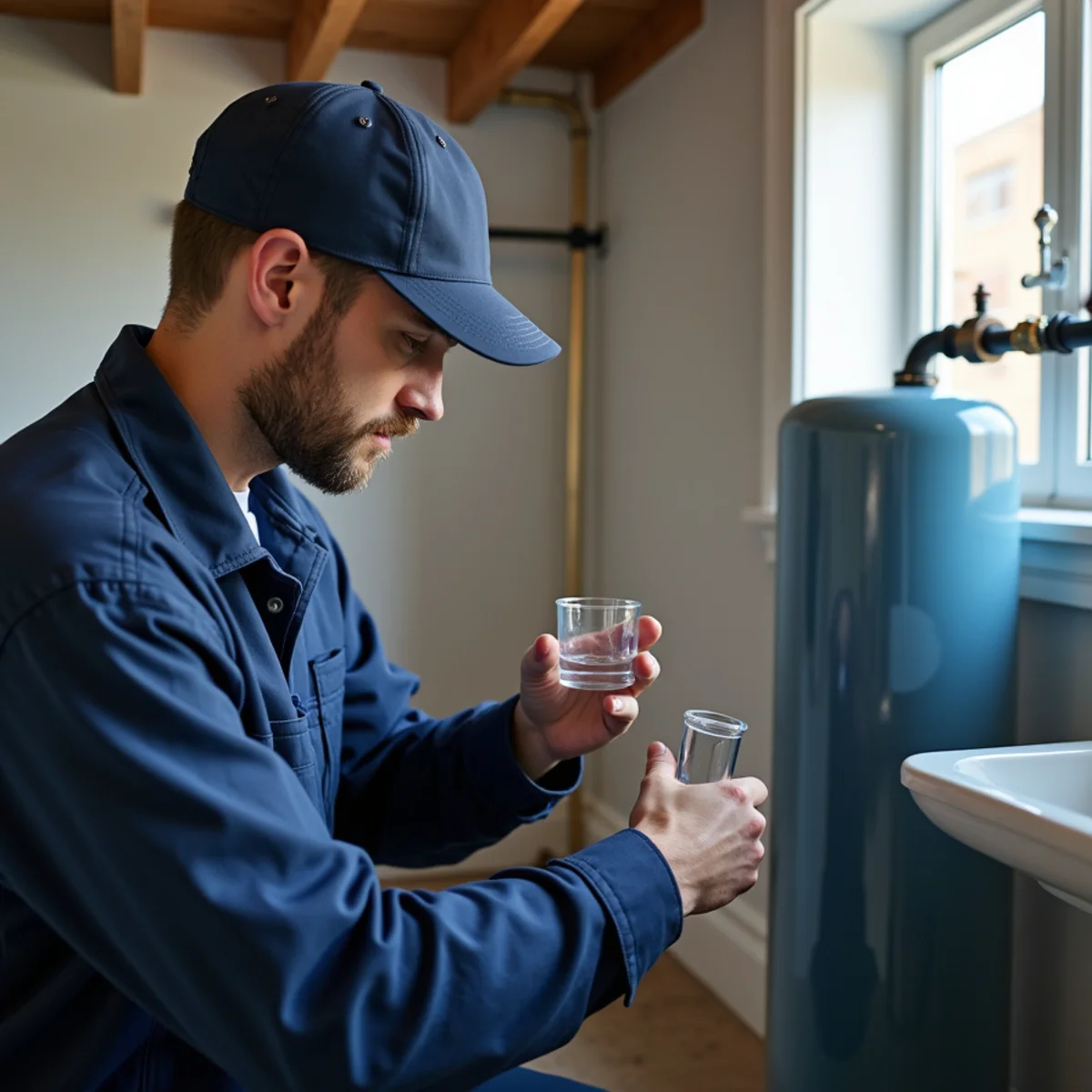
Water Softener Salt: Which Type, How Much, and Why It Bridges
The bag you buy matters less than most people think, and more than the shop assistant says. What the three types actually are, and the two failure modes that quietly stop a softener working.
Read the guide →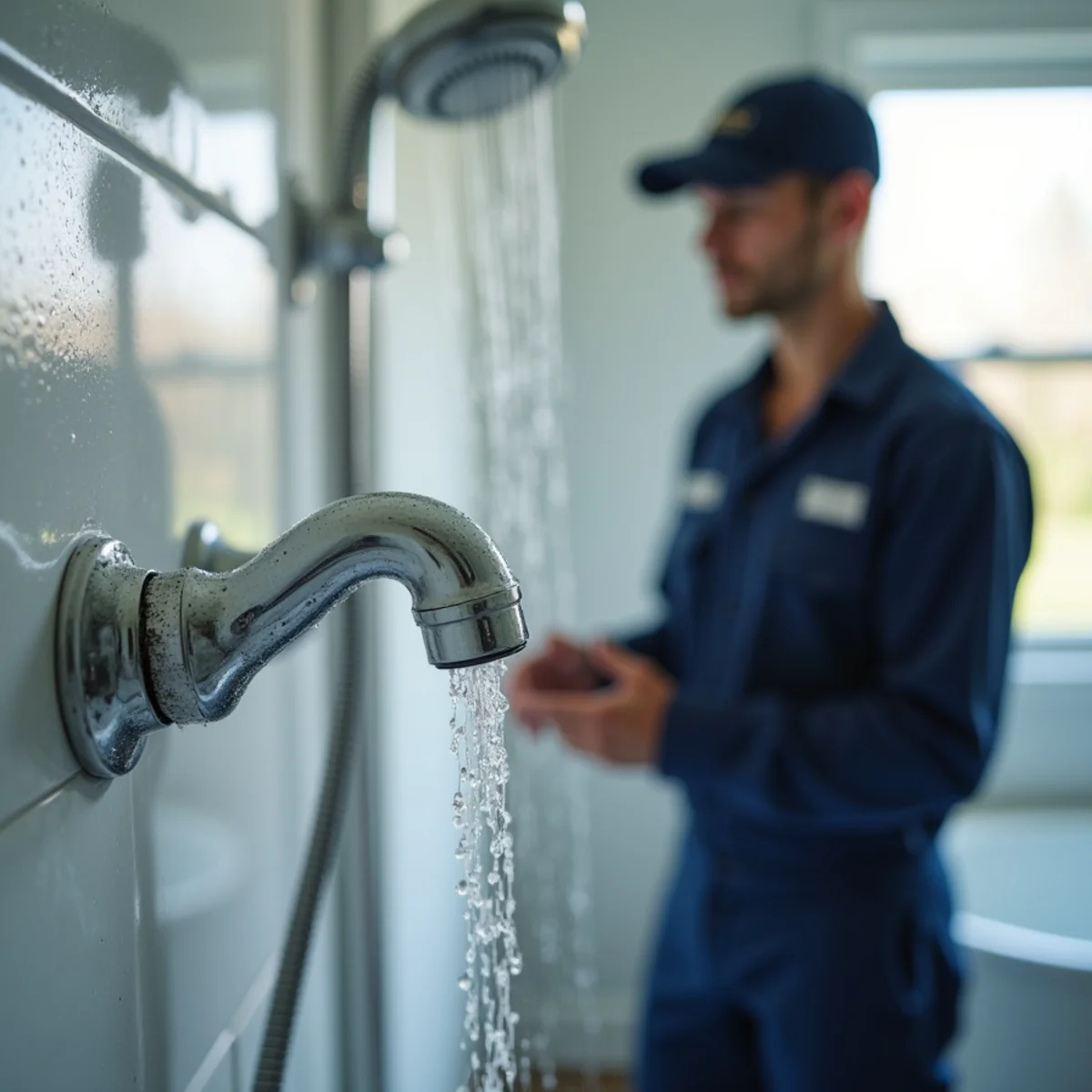
Why Fredericksburg Water Is Hard — And What It's Costing You
Hard water is not a health problem. It is an appliance problem, a fixture problem and a water heater problem — and it is quietly expensive.
Read the guide →
Tankless vs. Tank Water Heaters in Virginia: The Honest Comparison
Tankless is genuinely good technology that gets installed badly more often than almost anything else. Here is when it makes sense and when it does not.
Read the guide →