
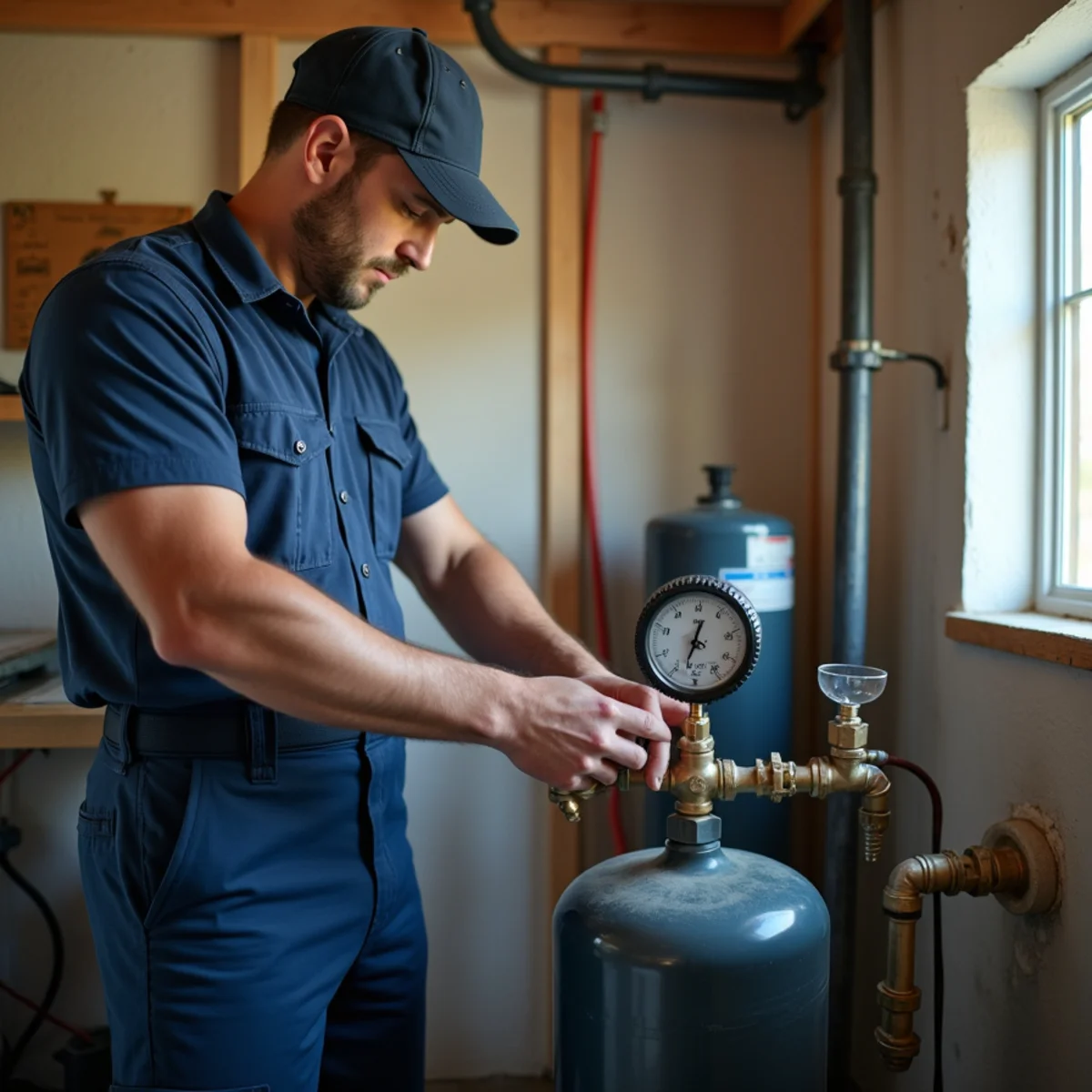
Well pump repair around Fredericksburg, VA starts at the breaker, not the pump. Most no-water and low-pressure calls out here resolve at the breaker, the pressure switch or a waterlogged pressure tank — all far cheaper than a pump. We confirm electrically before anyone pulls a foot of drop pipe.
Once you get outside the City of Fredericksburg and the closer subdivisions, private wells are common — across much of Spotsylvania, out through Caroline toward Bowling Green and Ladysmith, in King George, and in rural Stafford. If your water comes from a well, you own the entire water utility for your house, and when it stops, there is nobody to call but a plumber.
How a residential well system works
It is worth understanding, because it makes the symptoms interpretable.
- The pump. In most modern wells this is a submersible unit hanging on a drop pipe well below the water level. Older and shallower systems may use a jet pump mounted at the house instead.
- The pressure tank. A tank containing a bladder or diaphragm separating water from a charge of compressed air. It stores pressurized water so the pump does not have to run every time you open a tap.
- The pressure switch. Watches system pressure and starts the pump at the cut-in setting, stops it at cut-out. Commonly 30/50 or 40/60 PSI.
- The check valve. Keeps water from draining back down the well when the pump stops.
When something goes wrong, the symptom usually points at one of these four.
The single most common well problem
A waterlogged pressure tank. It accounts for more well service calls than anything else, and it is frequently misdiagnosed as a failing pump.
Here is what happens. The tank is supposed to hold a cushion of compressed air above the water. Over time, that air is absorbed into the water or lost through a leaking valve or a failed bladder. Without the cushion, the tank holds almost no usable water, so the moment you open a tap, pressure crashes and the pump starts — then a few seconds later pressure spikes and it stops. On, off, on, off.
You feel it as pressure surging while you shower. The pump feels it as brutal wear. Motors are rated for a certain number of starts, and a short-cycling system can burn through that budget in months instead of decades. A pressure tank problem left alone becomes a pump replacement.
How to check it yourself
Tap the side of the tank from top to bottom with a knuckle. You should hear a hollow ring on the upper portion and a dull thud lower down, with a clear transition. If it sounds dull all the way up, it is full of water and the air charge is gone.
When it is genuinely the pump
Submersible pumps generally run somewhere between eight and fifteen years, with the range driven by water quality, how hard the pump works, and how much short-cycling it has endured. Sand and sediment in the water are hard on them. So is a system that has been cycling rapidly for a year because nobody fixed the pressure tank.
Before pulling anything, we test electrically — voltage at the control box, amperage draw under load, and insulation resistance on the pump windings. Those readings tell us whether the motor is dead, whether the pump is running but not producing, or whether the problem is in the wiring rather than the pump. Pulling three hundred feet of drop pipe to find out is not a diagnostic method.
Low water pressure that is not the pump
Well homes have all the same pressure problems city homes have, plus a few of their own. Before we condemn a pump we check the sediment filter — a clogged whole-house filter cartridge is a very common and very cheap cause of poor pressure. We check for scale-restricted galvanized supply lines in older houses. And we check the pressure switch settings, because a switch set to 30/50 in a two-story house simply cannot deliver satisfying pressure upstairs.
Adjusting the switch to 40/60 is sometimes the entire fix, provided the pump and tank can support it.
Well water quality
Nobody regulates or tests your well but you. At minimum, test annually for bacteria and nitrates. In this region the common water quality findings are iron staining, hydrogen sulfide odor, sediment, and low pH that is aggressive to copper piping. Each has a specific treatment, and we cover the equipment in detail on our water treatment page.
One practical note: a well system's sediment filter is not optional maintenance. A neglected cartridge restricts flow through the whole house and, in a bad case, can be mistaken for a failing pump. Change it on the schedule.
What's included when you book well pump repair & replacement
Every one of these is part of the job, not an add-on we quote separately once we're in your house.
The cheap checks first, in order
Breaker, then pressure switch contacts, then the pressure tank's air charge, then the pump. Working cheapest to most expensive saves people money regularly.
Pressure tank tested properly
Tapped top to bottom to find the water line, then the schrader valve read with the system drained. Pre-charge should sit about 2 PSI below the switch's cut-in.
Electrical pump verification
Voltage at the control, amperage draw under load, and insulation resistance on the windings. That tells us whether the motor is dead before anything comes out of the well.
Pulling only once the diagnosis is confirmed
Pulling several hundred feet of drop pipe to look is not a diagnostic method, and out here it is a long day.
Replacement matched to the well and the house
Right pump for the depth, yield and household demand, with a correctly sized and pre-charged pressure tank — the two work as a system.
Wiring and controls replaced where needed
Old, corroded or undersized well wiring is common and frequently needs doing at the same time as the pump.
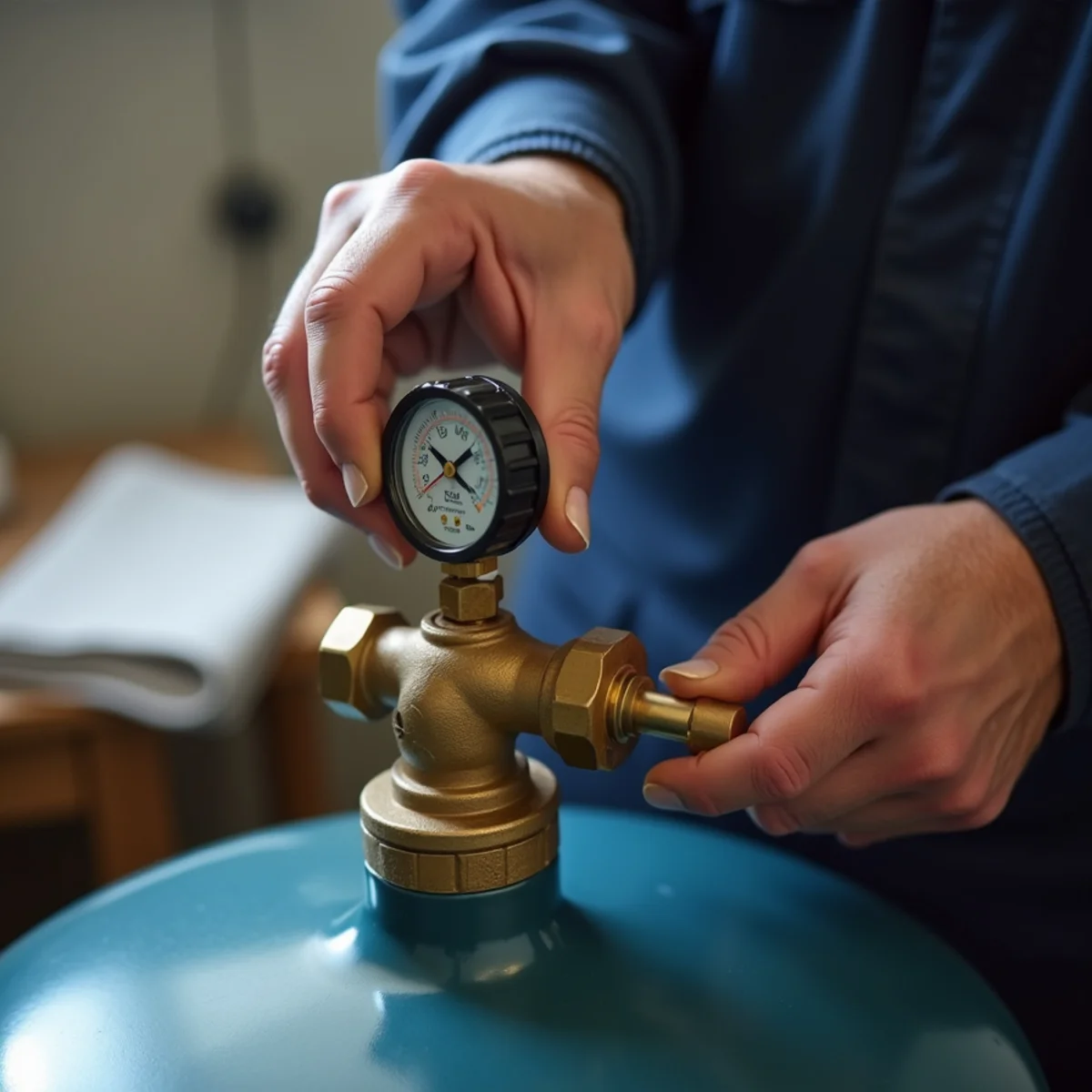
Signs You Need Well Pump Repair & Replacement
No water at any fixture
Check the breaker first — well pumps trip them. If the breaker is on and there is still nothing, it is the pump, the switch or the well itself.
Pressure surging up and down while a tap runs
Almost always a waterlogged pressure tank. The tank's air charge is gone and the pump is cycling on and off rapidly.
The pump runs constantly and never shuts off
Either it cannot reach cutoff pressure — a leak, a failing pump, or a dropping water level — or the pressure switch has failed closed.
Sputtering air from the faucets
Air is entering the system. Could be a low water level in the well, a leak in the drop pipe, or a failed check valve.
Sudden sediment or cloudiness
Often a sign the pump is drawing near the bottom of the well or that a well screen is failing. Worth investigating before it damages the pump.
How We Handle It
Check the simple things first
Breaker, pressure switch contacts, and the gauge reading. A surprising number of no-water calls end at a tripped breaker or a switch with burned contacts.
Test the pressure tank
Tap it to find the water line, check the air charge at the schrader valve with the system drained. A waterlogged tank explains most pressure complaints.
Verify the pump electrically
Check voltage at the control, amperage draw, and resistance on the pump windings. This tells us whether the pump is dead before anyone pulls a single foot of pipe.
Pull only when necessary
Pulling a submersible pump from a deep well is significant work. We confirm the diagnosis first rather than pulling to look.
Replace and set correctly
Right pump for the well's depth, yield and the house's demand — plus a properly sized and pre-charged pressure tank, because the two work as a system.
What Moves the Price
We don't publish fake numbers, because a firm price quoted before seeing the job is either padded to cover unknowns or revised in your driveway. What we can do is tell you exactly what the estimate depends on, so you can read one and know whether it's fair.
Which component failed
A pressure switch is a small part. A pressure tank is a moderate job. A submersible pump in a deep well is the largest of the three by a wide margin.
Well depth
Pulling and setting a pump is priced substantially by depth — the drop pipe, wire and pump all have to come up and go back down.
Pump type
A shallow-well jet pump sitting in a basement is far more accessible than a submersible three hundred feet down.
Wiring and control condition
Old, corroded or undersized well wiring is common and frequently needs replacement at the same time as the pump.
Access to the wellhead
A wellhead in an open yard is straightforward. One inside a pit, under a deck, or behind landscaping adds time.
Why choose All Pro Plumbing LLC for well pump repair & replacement
Most local plumbers are weakest here
Well systems need a different diagnostic sequence, and somebody who only knows municipal supply will condemn a perfectly good pump because they never checked the tank.
We come stocked to finish in one visit
Pressure switches, tank tees and fittings, pump controls and treatment cartridges ride on the truck. A return trip costs you a day and costs us one too.
We fix the tank before it kills the pump
Rapid cycling from a waterlogged tank burns through a motor's start budget in months instead of decades. Catching it early is the difference between a small part and a deep-set pump pull.
We cover the rural counties properly
Spotsylvania, Caroline, King George and rural Stafford are well country. This is routine work for us, not an occasional favour.
Licensed & Insured in Virginia · 4.8 stars from 26 Google reviews · Workmanship guarantee on every repair and installation · written itemized estimate before any work begins.
Where we handle well pump repair & replacement
We run this work across the City of Fredericksburg, Spotsylvania, Stafford, King George and Caroline counties, plus the Northern Neck, the Middle Peninsula and the adjacent counties within realistic driving range — 42 areas we cover for this work. What the job actually involves changes between them: municipal supply downtown versus private wells out toward Caroline, natural gas versus propane, city permits versus county. Pick your area below for the local version.
- Well Pump Repair & Replacement in Fredericksburg
- Well Pump Repair & Replacement in Downtown Fredericksburg
- Well Pump Repair & Replacement in College Heights
- Well Pump Repair & Replacement in Celebrate Virginia
- Well Pump Repair & Replacement in Idlewild
- Well Pump Repair & Replacement in Spotsylvania
- Well Pump Repair & Replacement in Massaponax
- Well Pump Repair & Replacement in Chancellor
- Well Pump Repair & Replacement in Salem Fields
- Well Pump Repair & Replacement in Lee's Hill
- Well Pump Repair & Replacement in Thornburg
- Well Pump Repair & Replacement in Partlow
- Well Pump Repair & Replacement in Stafford
- Well Pump Repair & Replacement in Falmouth
- Well Pump Repair & Replacement in Ferry Farm
- Well Pump Repair & Replacement in Leeland Station
- Well Pump Repair & Replacement in Garrisonville
- Well Pump Repair & Replacement in Aquia Harbour
- Well Pump Repair & Replacement in Hartwood
- Well Pump Repair & Replacement in Widewater
- Well Pump Repair & Replacement in Bowling Green
- Well Pump Repair & Replacement in Ladysmith
- Well Pump Repair & Replacement in Ruther Glen
- Well Pump Repair & Replacement in Port Royal
- Well Pump Repair & Replacement in King George
- Well Pump Repair & Replacement in Dahlgren
- Well Pump Repair & Replacement in Colonial Beach
- Well Pump Repair & Replacement in Montross
- Well Pump Repair & Replacement in Tappahannock
- Well Pump Repair & Replacement in Kilmarnock
- Well Pump Repair & Replacement in Warsaw
- Well Pump Repair & Replacement in West Point
- Well Pump Repair & Replacement in Dumfries
- Well Pump Repair & Replacement in Triangle
- Well Pump Repair & Replacement in Quantico
- Well Pump Repair & Replacement in Woodbridge
- Well Pump Repair & Replacement in Warrenton
- Well Pump Repair & Replacement in Culpeper
- Well Pump Repair & Replacement in Locust Grove
- Well Pump Repair & Replacement in Orange
- Well Pump Repair & Replacement in Lake Anna
- Well Pump Repair & Replacement in Ashland
Well Pump Repair & Replacement Questions We Get Asked
The breaker. Well pumps draw significant current and trip breakers, and a tripped breaker is the most common cause of a total no-water call. If resetting it holds, watch for a repeat — a breaker that trips again indicates a genuine electrical fault or a failing pump. If the breaker is on and the pressure gauge reads zero, the pump or the switch has failed.
Almost always a waterlogged pressure tank. The air charge that stores pressurized water has been lost, so the pump cycles on and off rapidly instead of running smoothly. Beyond the annoyance, that rapid cycling destroys pump motors — so it is worth fixing promptly rather than living with.
Eight to fifteen years for a submersible, with water quality and cycling frequency driving the range. Sediment-heavy water is hard on pumps, and a system that has been short-cycling from a bad pressure tank will fail years early. Fixing tank problems promptly is the best thing you can do for pump life.
In most cases, yes. Voltage at the control, amperage draw under load, and insulation resistance on the windings together give a reliable picture of whether the motor is dead, running but not producing, or fine with a fault elsewhere in the wiring. We confirm before pulling, because pulling a deep-set pump is significant work.
Annually for bacteria and nitrates at minimum. Add hardness, iron, manganese and pH if you are seeing staining, odor or scale. Test any time the water changes noticeably in taste, smell or clarity, and after any well work, flooding, or nearby construction.
Related Reading
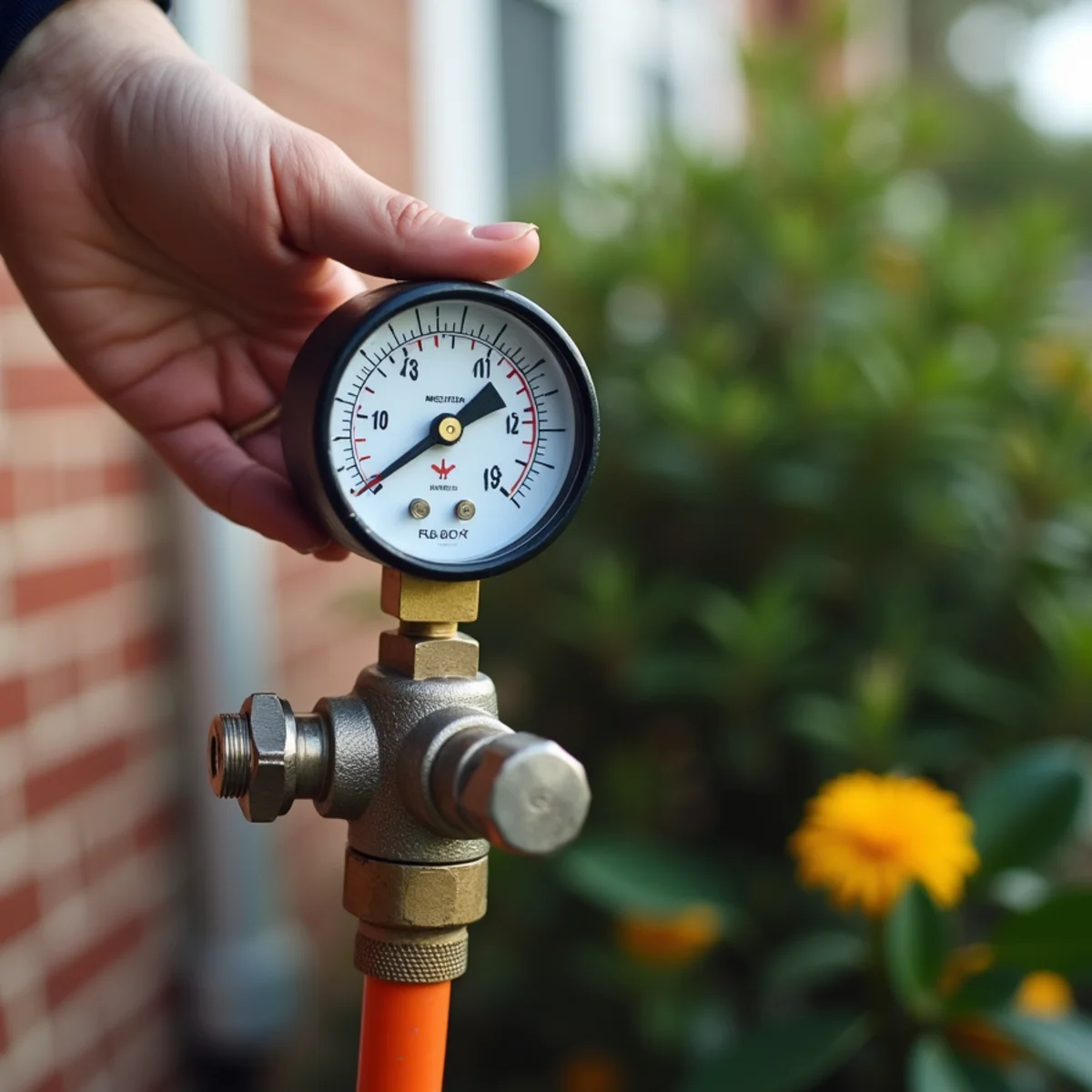
Low Water Pressure: Causes and Fixes, From Free to Serious
Two questions narrow this down fast: is it everywhere or one fixture, and did it happen suddenly or over years? The answers point straight at the cause.
Read the guide →
Why Fredericksburg Water Is Hard — And What It's Costing You
Hard water is not a health problem. It is an appliance problem, a fixture problem and a water heater problem — and it is quietly expensive.
Read the guide →