Gas line installation in Fredericksburg, VA is licensed, permitted and inspected work, and we do not cut corners on it. Every run is sized from a real load calculation, pressure-tested before gas is introduced, and signed off by an inspector — because the failure mode here is not an inconvenience.
Gas work is the part of this trade with the least room for improvisation. A drain installed imperfectly is a nuisance. A gas line installed imperfectly is a hazard to a family. That is why gas fitting is separately licensed in Virginia, why it is permitted and inspected everywhere we work, and why we do not cut corners on it under any circumstances.
If you smell gas right now
Do not read the rest of this page. Do this:
- Get everyone out of the building, including pets.
- Do not flip any light switch, unplug anything, or use a phone inside the house. An electrical spark is the ignition source you are trying to avoid.
- Do not light a match or a lighter to check anything.
- From outside and well clear, call your gas utility's emergency number. They respond around the clock at no charge and will make the line safe.
- Call us after the utility has secured it. We handle the repair, the replacement piping, and the pressure test that restores your service.
Natural gas and propane both have an odorant added specifically so you can detect them. If you smell it, believe it.
Sizing: the calculation everybody skips
The single most common gas problem we are called in to fix is not a leak — it is an undersized line. Somebody added an appliance by teeing into whatever pipe was nearby, without recalculating the total load.
The result is a system that works fine until it does not. Everything runs correctly on a mild day with one appliance going. Then it gets cold, the furnace runs continuously, someone starts the dryer and the tankless water heater fires, and suddenly the tankless throws a flame-failure code and the furnace short-cycles. Nothing is broken. There simply is not enough gas volume arriving.
Correct practice is straightforward: add up the BTU input rating of every connected appliance, measure the developed length from the meter to the furthest outlet, and read the required pipe diameter off the sizing tables for the system pressure. It takes fifteen minutes and it is the difference between a system that works and one that frustrates a family for a decade.
What we install gas lines for
- Gas ranges and cooktops — the most requested conversion we do, usually into a kitchen that was originally electric.
- Tankless water heaters, which almost always require an upsized line over what a tank used to need.
- Gas dryers, replacing electric in a laundry room that never had a gas stub.
- Standby generators, which have substantial BTU demand and frequently drive a meter upgrade conversation with the utility.
- Outdoor kitchens, built-in grills and fire pits — buried exterior runs with correct depth, protection and a proper riser.
- Fireplaces, gas logs and patio heaters.
- Pool and spa heaters, which are among the highest-demand appliances in a residence.
Materials, and the CSST bonding issue
Black iron pipe is the traditional material — rigid, threaded, extremely durable, and the right choice for most trunk lines. CSST, the yellow or black corrugated stainless tubing, is flexible and much faster to route through framing, and it is entirely code-compliant when installed correctly.
The critical word is correctly. CSST must be bonded to the electrical grounding system. Without that bond, a nearby lightning strike can induce current in the tubing and arc through its thin wall. This is a well-documented failure mode and it is the reason bonding is required. When we work in a house with existing CSST, we check the bond — and we find it missing often enough that it is worth mentioning here.
Pressure testing and inspection
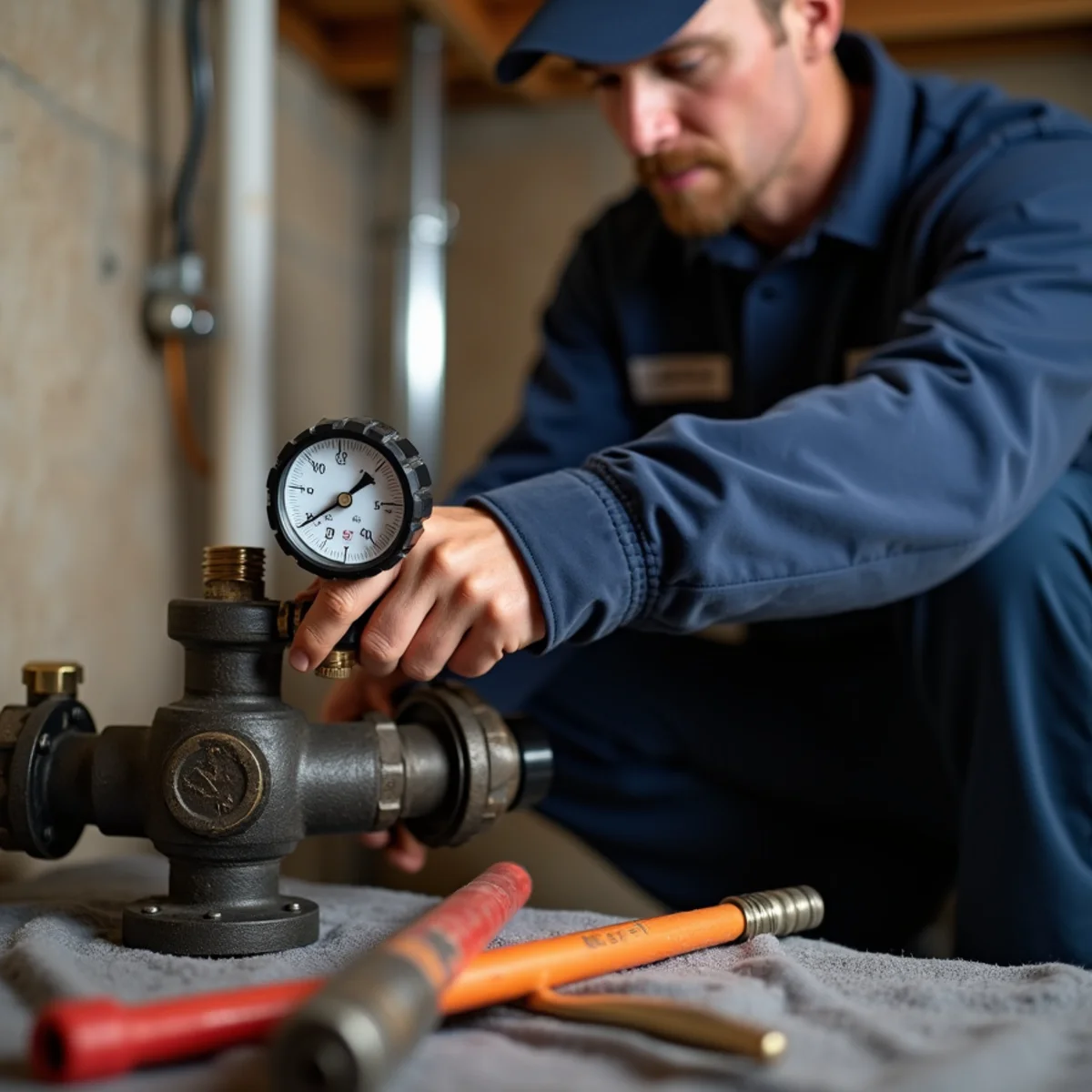
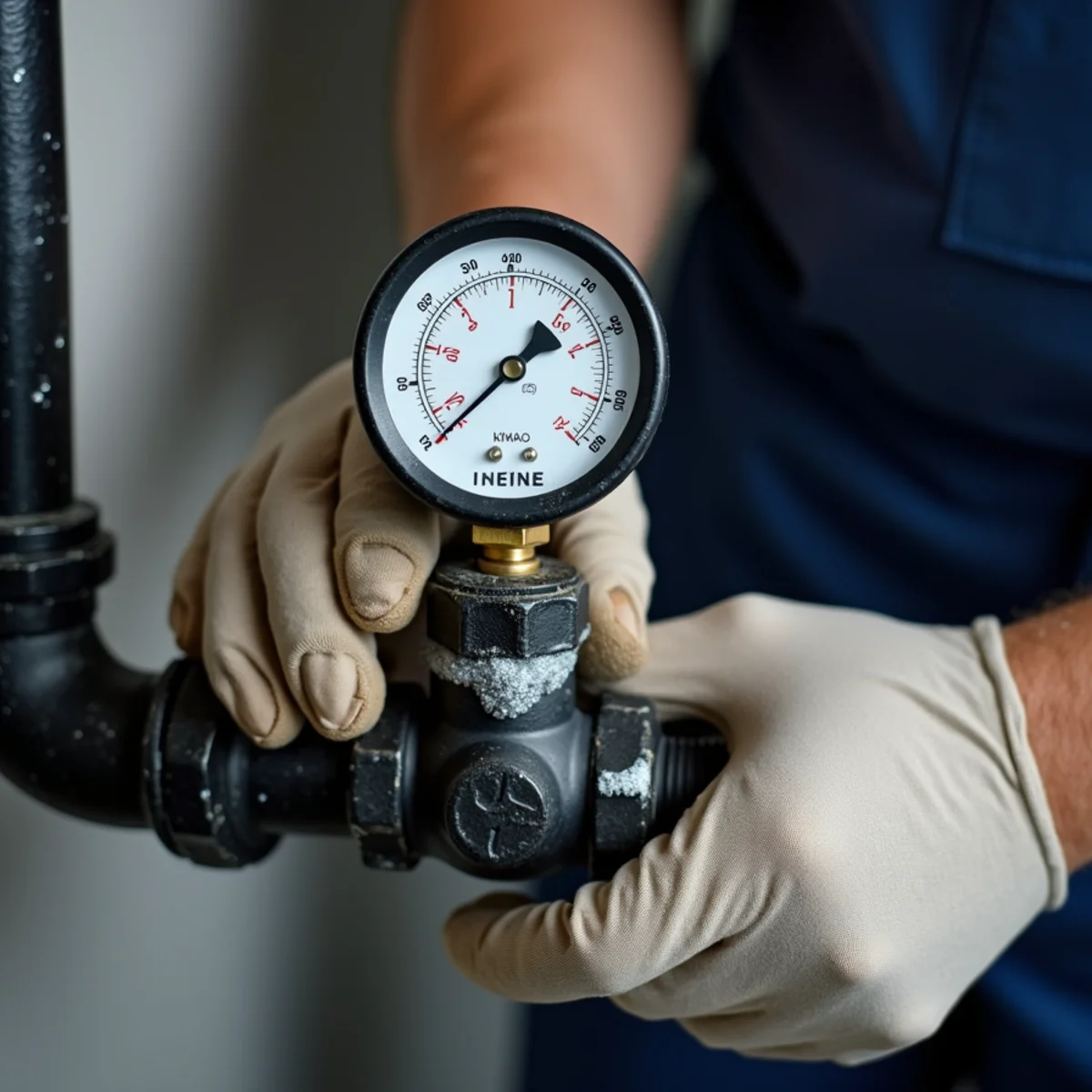
Every gas line we install or modify is pressure tested before it goes into service. The line is capped, pressurized with air well above operating pressure, and held for the required duration with a gauge on it. If the gauge moves, there is a leak and we find it before gas is ever introduced.
Then the inspector looks at it. Some contractors treat inspection as a bureaucratic obstacle. On gas work we consider it a genuine benefit — an independent, qualified person verifying work whose failure mode is catastrophic. We would want that on our own houses.
Propane
Plenty of homes out in Spotsylvania, Caroline and King George are on propane rather than natural gas. The principles are the same but the details differ: propane is heavier than air so it pools low rather than dispersing upward, it operates at different pressures with a regulator at the tank, and appliance orifices are sized differently. Converting an appliance between natural gas and propane requires the correct conversion kit — it is not a matter of just connecting it up.
What's included when you book gas line installation & repair
Every one of these is part of the job, not an add-on we quote separately once we're in your house.
A load calculation before anything is sized
Total BTU demand of every connected appliance, developed length from the meter, and available meter capacity. The pipe is sized from that math, not from what fit last time.
Permit pulled and inspection scheduled
Gas work is permitted in every jurisdiction we serve. That inspection is an independent qualified check on work that can hurt people.
The correct material for the application
Black iron, CSST with proper bonding, or approved flexible connectors at the appliance. Each has a correct use and they are not interchangeable.
CSST bonding verified
CSST must be bonded to the electrical grounding system or a nearby lightning strike can arc through its thin wall. We check existing installations and find it missing more often than we would like.
Full pressure test before gas is introduced
Line capped, pressurised well above operating pressure, held under gauge for the required duration, every joint soap-tested.
Accessible labelled shutoff at every appliance
Within reach, in the same room, operable by anyone in the household — not buried behind the appliance where nobody could reach it in an emergency.
Signs You Need Gas Line Installation & Repair
You smell gas anywhere in or around the house
Leave immediately, call the gas utility from outside. This is not a wait-and-see situation and it is not a call you make from inside.
A new appliance needs a gas connection
Ranges, dryers, tankless water heaters, fireplaces, generators, pool heaters and outdoor kitchens all need a correctly sized run.
Your appliance burns with a yellow, lazy flame
A properly burning natural gas flame is blue and steady. Yellow means incomplete combustion — an air, pressure or venting problem worth investigating.
Appliances underperform when several run at once
Classic undersized gas line symptom. The pipe cannot deliver enough volume to satisfy total connected load.
You have old black iron with visible corrosion
Exterior corrosion at threaded joints, especially where a line passes through masonry or sits in a damp crawl space, is worth a professional look.
How We Handle It
Calculate the load before anything else
Total BTU demand of every connected appliance, the developed length of the run, and the available meter capacity. The pipe is sized from that math, not from what fit last time.
Pull the permit
Gas work is permitted and inspected in every jurisdiction we serve. That inspection is a second set of qualified eyes on work that can hurt people.
Install with the right material
Black iron, CSST with proper bonding, or approved flexible connectors at appliances — each has a correct application and they are not interchangeable.
Pressure test the system
The line is pressurized and held under test for the required duration before any appliance is connected. Every joint is soap-tested.
Connect, verify combustion, and label
Appliance connected with an accessible shutoff, flame verified, and the shutoff labeled clearly so anyone can find it in an emergency.
What Moves the Price
We don't publish fake numbers, because a firm price quoted before seeing the job is either padded to cover unknowns or revised in your driveway. What we can do is tell you exactly what the estimate depends on, so you can read one and know whether it's fair.
Distance from the meter
A run from the basement meter to the kitchen directly above is short. A run to a detached garage or a far corner of the yard is a different scope.
Required pipe size
Load calculation drives diameter. Adding a high-BTU appliance sometimes means upsizing an existing trunk, not just tapping into it.
Route and access
An open basement ceiling is straightforward. Fishing a line through finished walls, under a slab, or trenching to an outdoor kitchen is the expensive part.
Interior or exterior work
Exterior runs need corrosion protection and, where buried, correct depth, tracer wire and a riser. Trenching adds real cost.
Permits and inspection
Every jurisdiction we work in requires them for gas. It is a real line item and it is not one we will skip.
Why choose All Pro Plumbing LLC for gas line installation & repair
We fix undersized lines other people installed
The most common gas problem we are called into is not a leak. It is somebody teeing into whatever pipe was nearby without recalculating the load, producing a system that fails on the first cold evening.
We handle natural gas and propane properly
Propane is heavier than air, runs at different pressures with a regulator at the tank, and needs different orifices. Converting an appliance requires the correct kit, not just a new connection.
We tell you to call the utility first
If you smell gas: leave, call the gas company from outside, and call us after the line is made safe. They respond around the clock at no charge.
We welcome the inspection
Contractors who resent inspections tend to be the ones who need them. We would want that check on our own houses.
Licensed & Insured in Virginia · 4.8 stars from 26 Google reviews · Workmanship guarantee on every repair and installation · written itemized estimate before any work begins.
Where we handle gas line installation & repair
We run this work across the City of Fredericksburg, Spotsylvania, Stafford, King George and Caroline counties, plus the Northern Neck, the Middle Peninsula and the adjacent counties within realistic driving range — 42 areas we cover for this work. What the job actually involves changes between them: municipal supply downtown versus private wells out toward Caroline, natural gas versus propane, city permits versus county. Pick your area below for the local version.
- Gas Line Installation & Repair in Fredericksburg
- Gas Line Installation & Repair in Downtown Fredericksburg
- Gas Line Installation & Repair in College Heights
- Gas Line Installation & Repair in Celebrate Virginia
- Gas Line Installation & Repair in Idlewild
- Gas Line Installation & Repair in Spotsylvania
- Gas Line Installation & Repair in Massaponax
- Gas Line Installation & Repair in Chancellor
- Gas Line Installation & Repair in Salem Fields
- Gas Line Installation & Repair in Lee's Hill
- Gas Line Installation & Repair in Thornburg
- Gas Line Installation & Repair in Partlow
- Gas Line Installation & Repair in Stafford
- Gas Line Installation & Repair in Falmouth
- Gas Line Installation & Repair in Ferry Farm
- Gas Line Installation & Repair in Leeland Station
- Gas Line Installation & Repair in Garrisonville
- Gas Line Installation & Repair in Aquia Harbour
- Gas Line Installation & Repair in Hartwood
- Gas Line Installation & Repair in Widewater
- Gas Line Installation & Repair in Bowling Green
- Gas Line Installation & Repair in Ladysmith
- Gas Line Installation & Repair in Ruther Glen
- Gas Line Installation & Repair in Port Royal
- Gas Line Installation & Repair in King George
- Gas Line Installation & Repair in Dahlgren
- Gas Line Installation & Repair in Colonial Beach
- Gas Line Installation & Repair in Montross
- Gas Line Installation & Repair in Tappahannock
- Gas Line Installation & Repair in Kilmarnock
- Gas Line Installation & Repair in Warsaw
- Gas Line Installation & Repair in West Point
- Gas Line Installation & Repair in Dumfries
- Gas Line Installation & Repair in Triangle
- Gas Line Installation & Repair in Quantico
- Gas Line Installation & Repair in Woodbridge
- Gas Line Installation & Repair in Warrenton
- Gas Line Installation & Repair in Culpeper
- Gas Line Installation & Repair in Locust Grove
- Gas Line Installation & Repair in Orange
- Gas Line Installation & Repair in Lake Anna
- Gas Line Installation & Repair in Ashland
Gas Line Installation & Repair Questions We Get Asked
In Virginia, gas fitting is licensed work and it is permitted and inspected for good reason. Beyond the legal question, an unpermitted gas line creates real problems with homeowner's insurance if anything goes wrong, and with the sale of your home. This is the one area of home plumbing where we would tell anyone, regardless of skill, to hire a licensed gas fitter.
It requires a load calculation: total BTU input of every connected appliance, developed length from the meter, and the resulting required pipe diameter from the sizing tables. Symptoms of an undersized line are appliances that underperform when several run simultaneously — a tankless dropping out when the furnace fires is the classic example. We calculate before adding any appliance.
Yes, when it is installed and bonded correctly. CSST must be bonded to the home's electrical grounding system to safely dissipate induced current from a nearby lightning strike. Unbonded CSST is a genuine hazard, and we find it unbonded in existing homes more often than we would like. We check it whenever we work in a house that has it.
Yes. An exterior run involves a load calculation, buried pipe at correct depth with tracer wire, corrosion protection, a proper riser at the appliance, and a dedicated shutoff. It is permitted and inspected like any other gas work. Never having to swap a propane tank mid-cookout is a small luxury people genuinely enjoy.
It warrants a professional look. A blue, steady flame indicates complete combustion. Yellow or lazy flames mean incomplete combustion, which can produce carbon monoxide. Causes range from a dirty burner to an air-shutter adjustment to a venting restriction. Do not ignore it, and make sure you have working carbon monoxide detectors regardless.
Related Reading
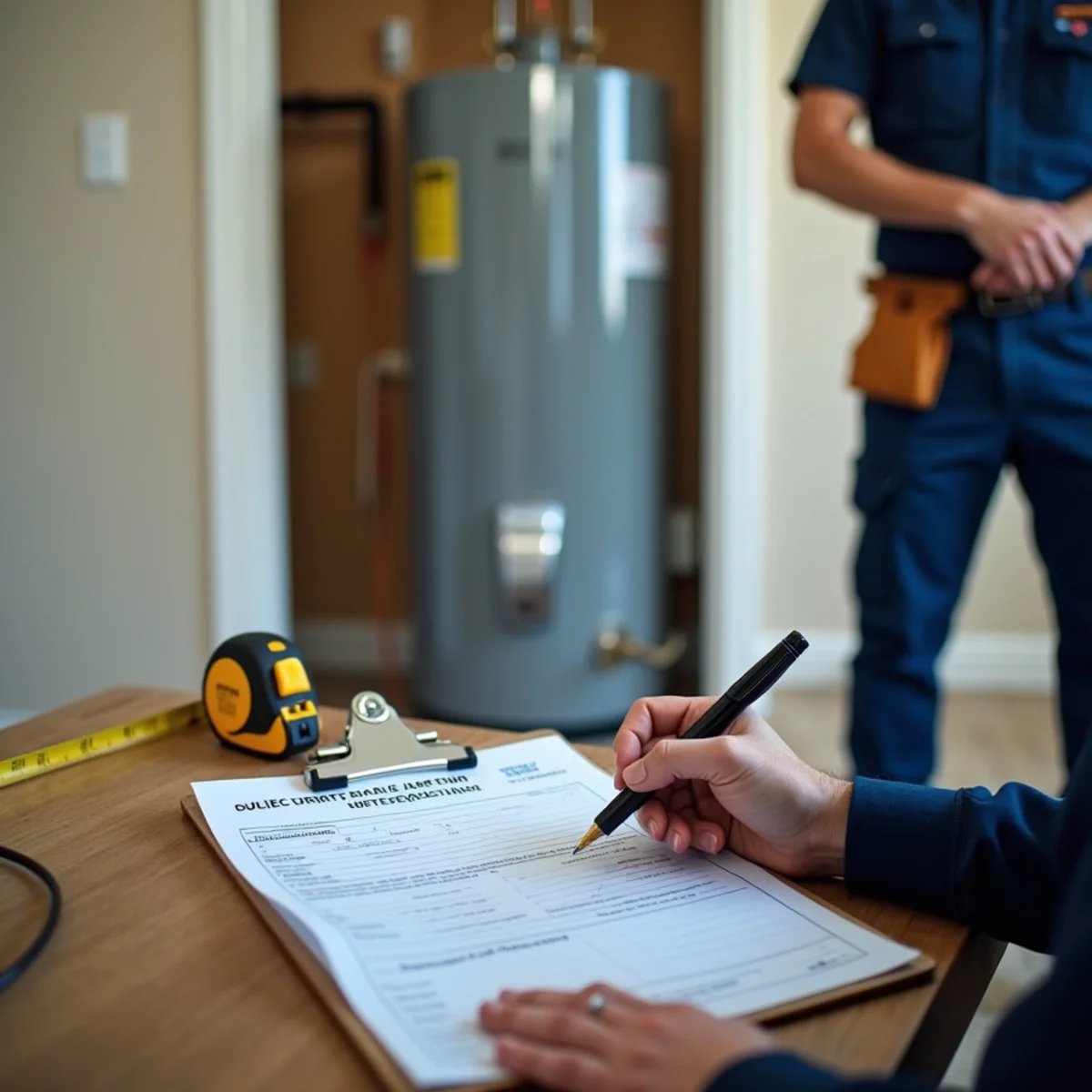
Plumbing Permits in Fredericksburg, Spotsylvania and Stafford: What You Need to Know
Skipping a permit saves a small fee today and hands you a problem at resale and during any insurance claim. Here is what actually requires one and why.
Read the guide →
The Annual Plumbing Maintenance Checklist for Virginia Homeowners
Nearly every emergency we run was preventable. Here is the season-by-season list — most of it free, most of it under ten minutes an item.
Read the guide →