The short answer
Start with the meter test: shut off every fixture, appliance, ice maker and irrigation zone, then watch the low-flow indicator for a minute. Any movement means an active leak. Then dye-test the toilets, isolate the irrigation, and check the usual suspects before assuming it's inside a wall or under the slab.
We have been called into houses where a previous contractor opened five sections of wall and never found the leak — then located it in twenty minutes with a listening device, because the search was structured instead of hopeful.
You can do the first several steps of that structured search yourself, for free, this afternoon.
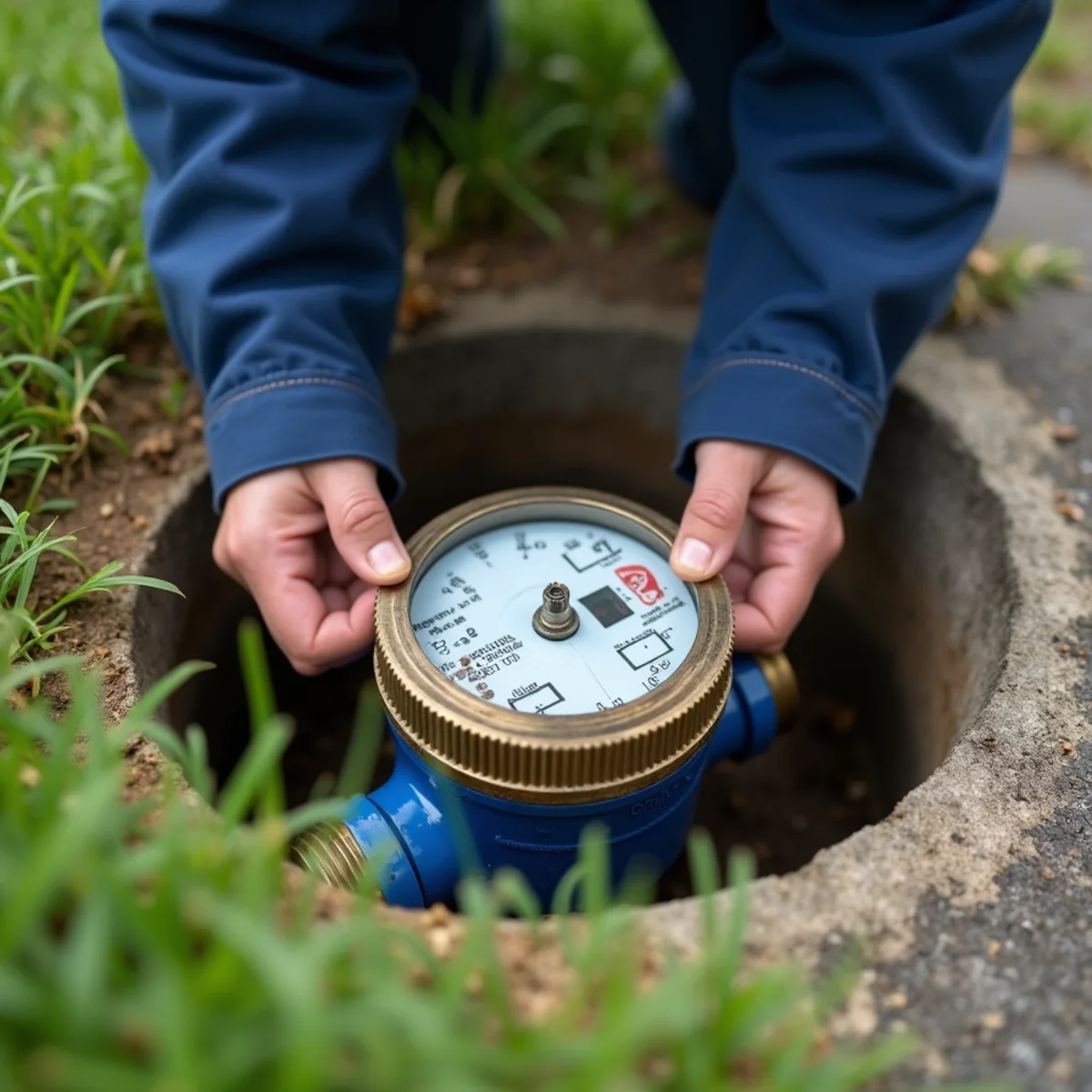
Step 1: The meter test
This is the single most useful thing any homeowner can do, and it takes five minutes.
- Turn off every fixture and appliance that uses water. Include the ice maker, any humidifier, and irrigation.
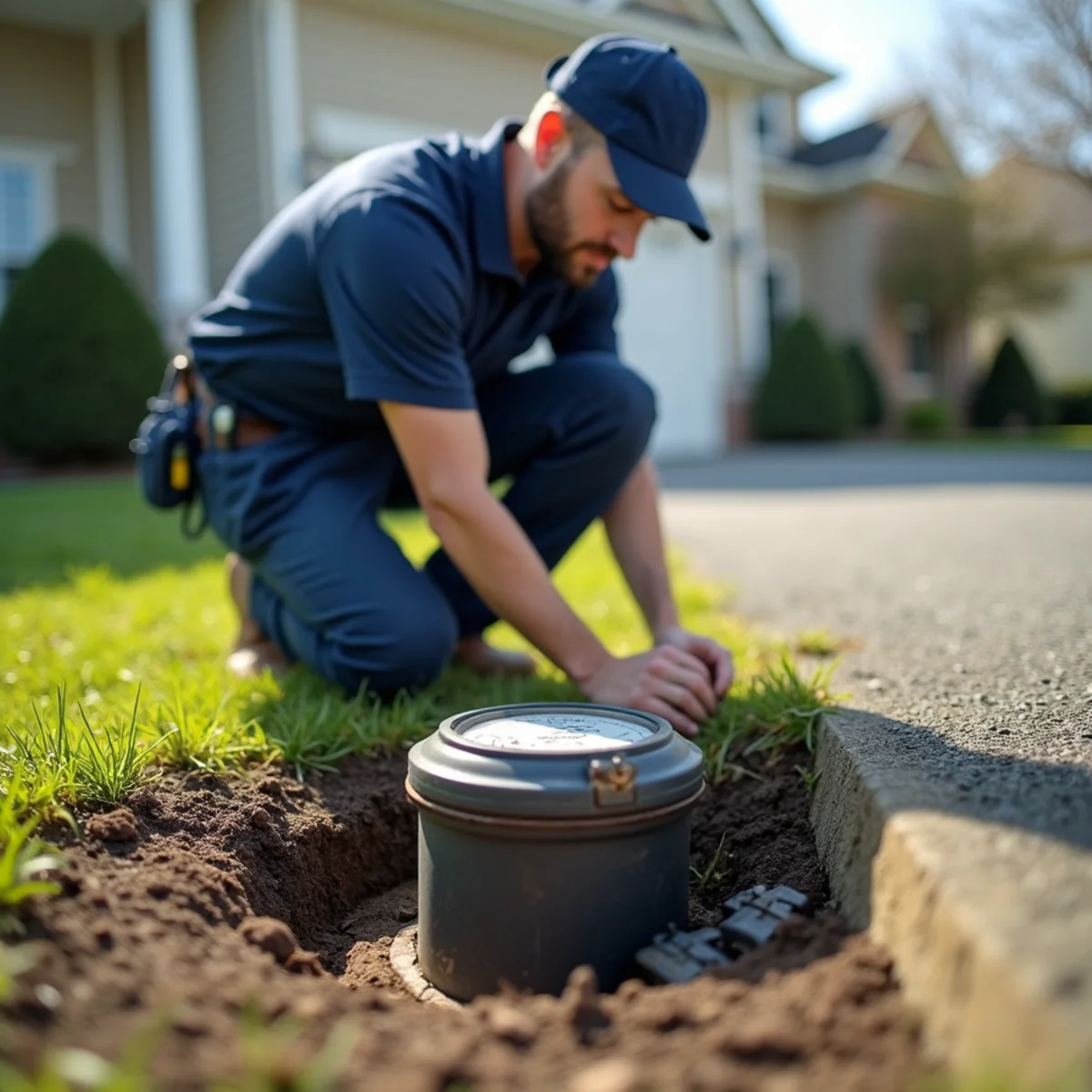
- Find your water meter — usually in a box near the street, sometimes in the basement.
- Look for the low-flow indicator: a small triangle, star or dial that spins on very low flow.
- Watch it for a full minute.
If it moves at all, you have an active leak somewhere. If it does not move, note the meter reading, use no water for an hour, and compare — some leaks are too small to spin the indicator visibly but will still advance the number.
This one test separates a real leak from a billing anomaly, and it costs nothing.
Step 2: Rule out the toilets
This is the most common cause of a mystery water bill, by a wide margin, and it is the easiest to check.
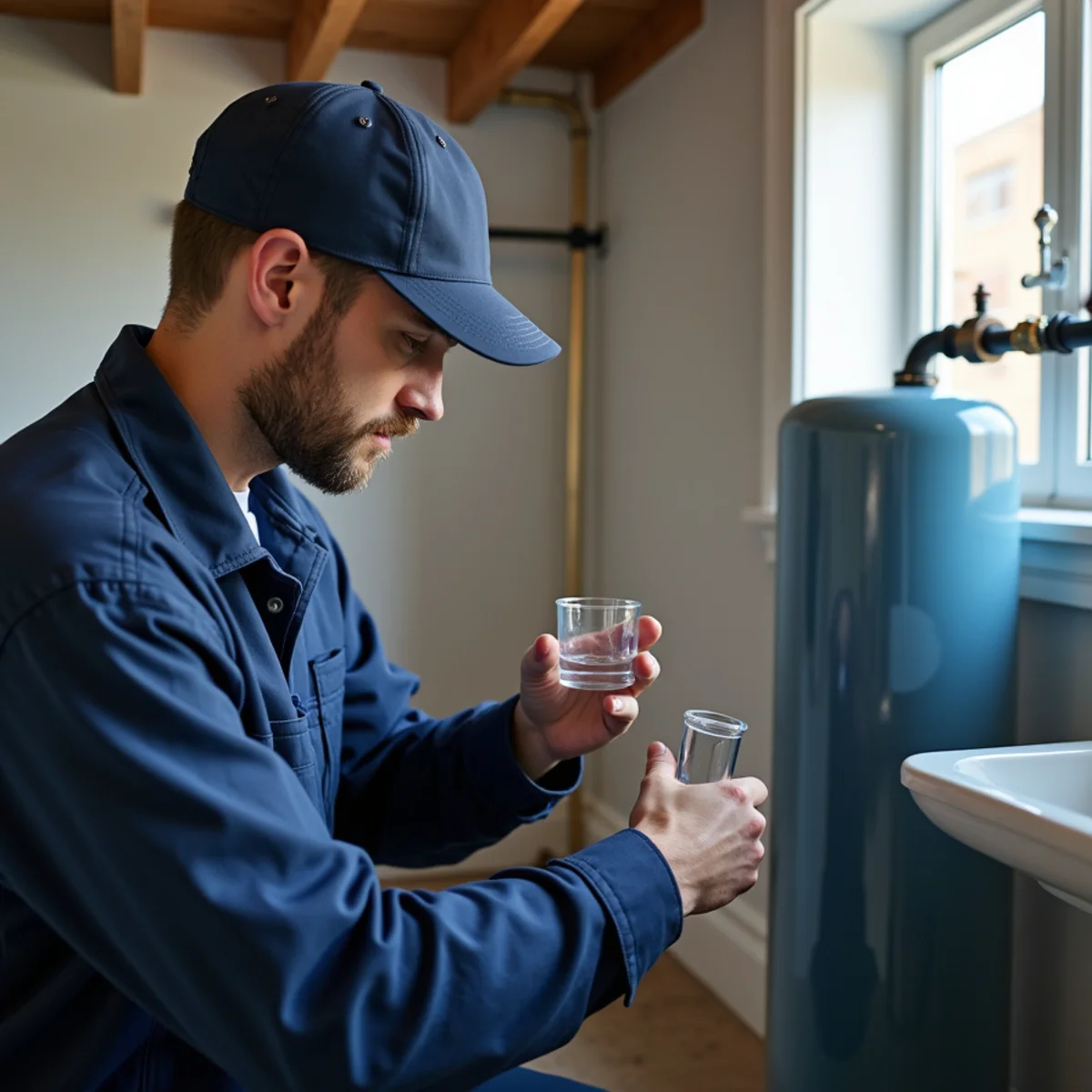
Put a few drops of food coloring in each toilet tank. Do not flush. Wait twenty minutes and look in the bowl. Color in the bowl means the flapper is not sealing and water is passing continuously from tank to bowl while the fill valve keeps topping it up.
A worn flapper can waste hundreds of gallons a day silently. The part costs a few dollars.
Step 3: Isolate the irrigation
If you have an irrigation system, close its shutoff and repeat the meter test. A cracked underground line, a stuck valve, or a backflow device damaged by a winter freeze can waste an enormous volume completely invisibly.
Freeze damage to irrigation backflow devices is a recurring spring finding in this area — the damage happens in January and the water bill catches up in April.
Step 4: Check the other usual suspects
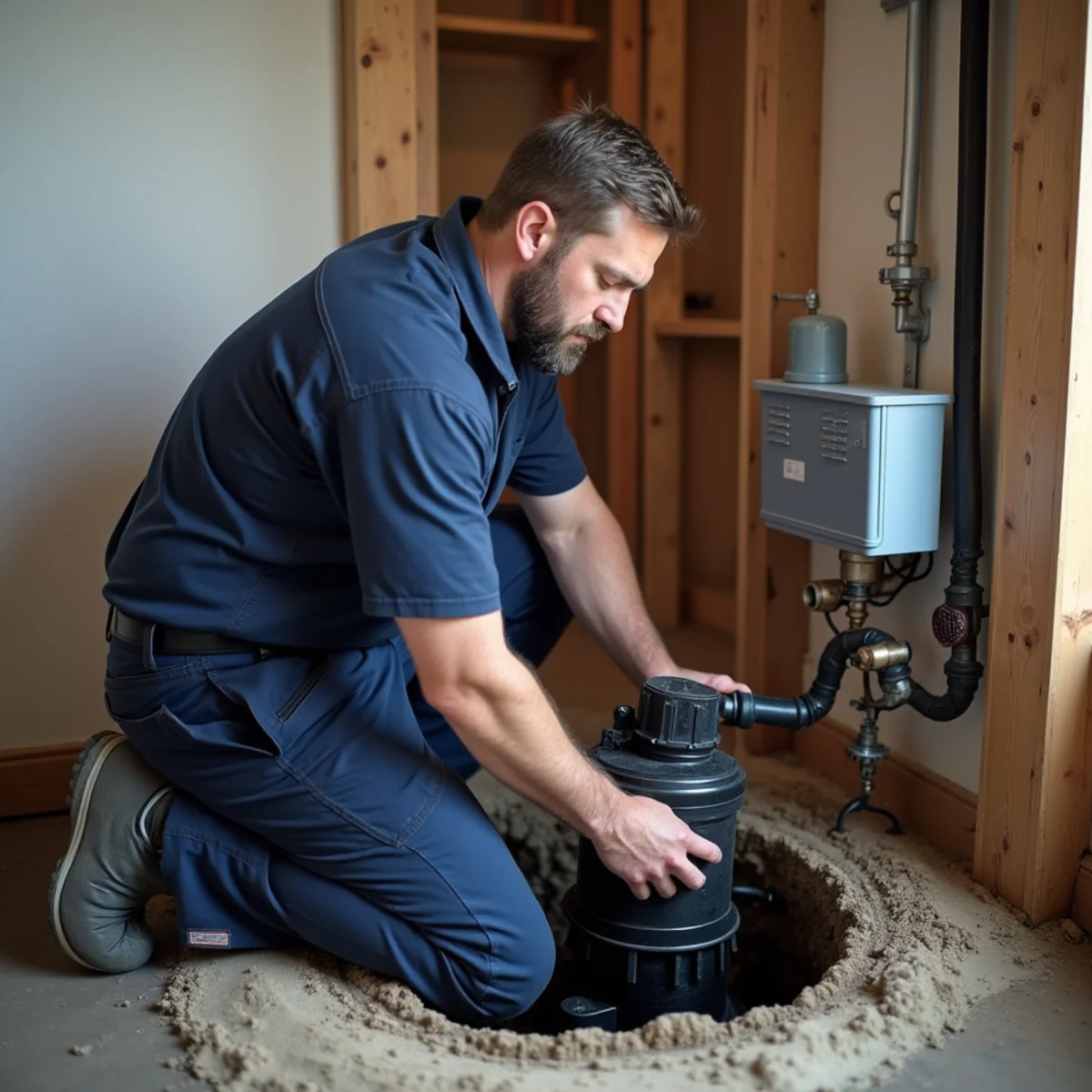
- Water heater T&P valve. Follow the discharge pipe to its termination and look for water. A weeping relief valve is invisible unless you check the end of the pipe.
- Under-sink connections. Braided supply lines fail at the crimp, often into a cabinet floor. Feel the back of every cabinet, not just look.
- Behind toilets. The supply line and the fill valve shank both weep.
- Outdoor spigots. A hose bib leaking behind the siding drains outside where you will never see it.
- The crawl space. Ten minutes with a flashlight twice a year finds problems that would otherwise run for a year.
Step 5: If it is still hiding — slab and in-wall leaks
If the meter moves with everything off, the toilets check clean, and irrigation is isolated, the leak is inside the structure.
Slab leak signs
In slab-built homes — common in Spotsylvania and Stafford subdivisions from the 1990s onward — supply lines run in or under the concrete. A leak there gives you very little:
- A warm spot on the floor. This is the most reliable indicator, and it means a hot water line.
- A new hairline crack in floor tile.
- Baseboard swelling at the bottom, or a carpet edge that stays faintly damp.
- A musty smell with no visible source.
- The sound of running water when nothing is on, most audible at night.
In-wall pinhole leaks
A pinhole in copper produces a very small amount of water over a very long time, which is why the damage is usually found long after the leak started. Look for a ceiling stain that reappears after painting, a paint bubble on a wall, or warping in flooring near a wall.
What professional detection involves
The whole point of proper equipment is a single, small, correct opening rather than exploratory demolition.
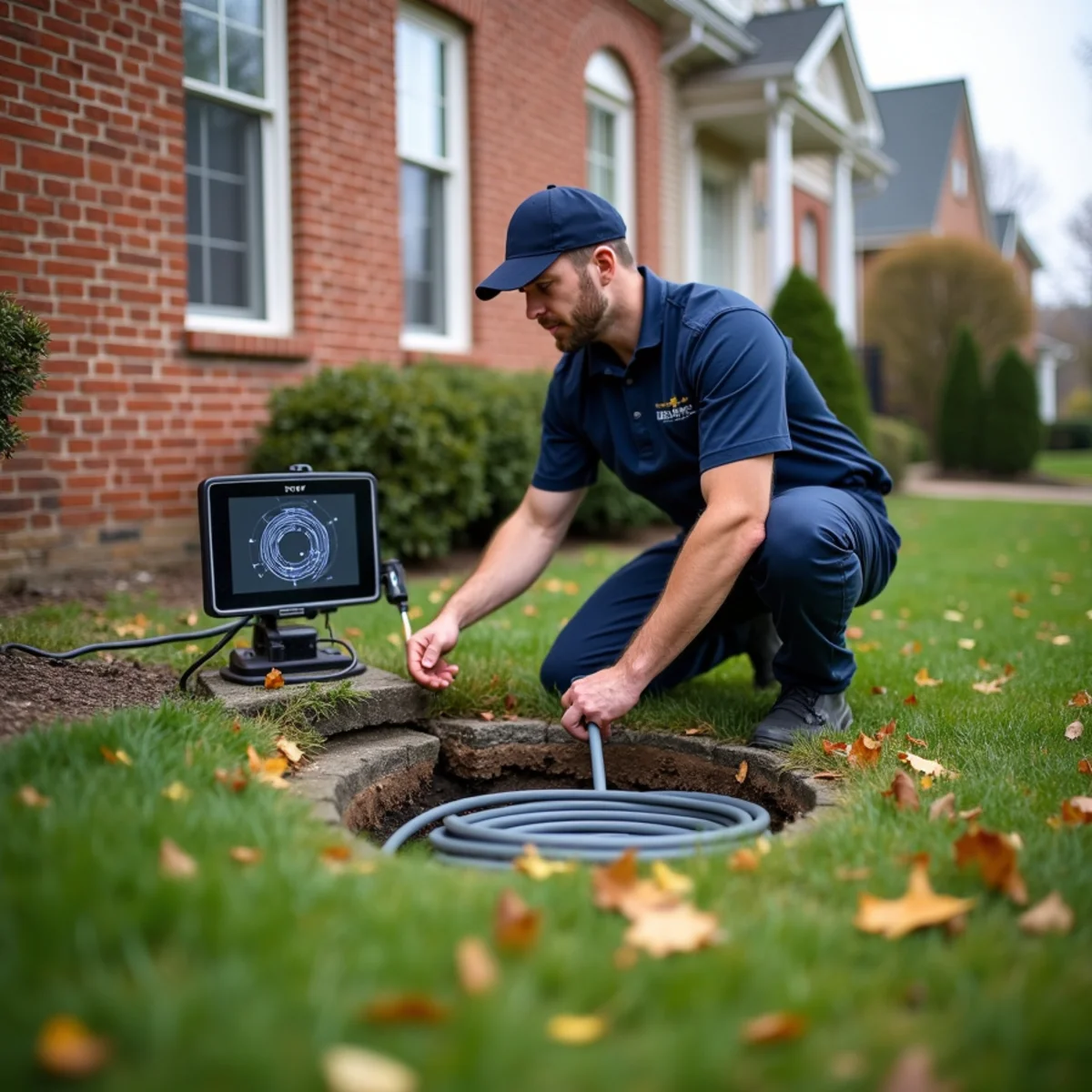
We isolate the system section by section with valves and re-test at the meter to narrow the search to hot side, cold side, interior or the buried service line. Then acoustic listening equipment — which hears the distinctive high-frequency sound of pressurized water escaping through a small opening, carrying through concrete and soil — narrows the position to a small area. Thermal imaging confirms hot-side leaks visually. Line tracing maps buried runs.
If a contractor is opening walls to look, they are searching without equipment behind them.
Document it for insurance
Policies commonly cover sudden and accidental water damage but exclude long-term seepage — and the difference often comes down to how well the failure was documented.
Photograph the failure before and after repair, note the pipe material and condition, and record the location. Call your carrier early rather than after the work is done. We provide that documentation as a matter of course because adjusters ask for it.
Worth considering: automatic shutoff
Smart shutoff valves that mount on the main have gotten genuinely good. They learn your household's normal flow patterns and close the water when they see something abnormal — a line running continuously for an hour, for instance.
For anyone who travels, owns a second property, or has a finished basement full of things they care about, it is one of the better few hundred dollars in home protection available. Point sensors under sinks and behind the water heater are a cheaper partial version.
How to Find a Hidden Water Leak Before It Finds You — at a glance
1. The meter test 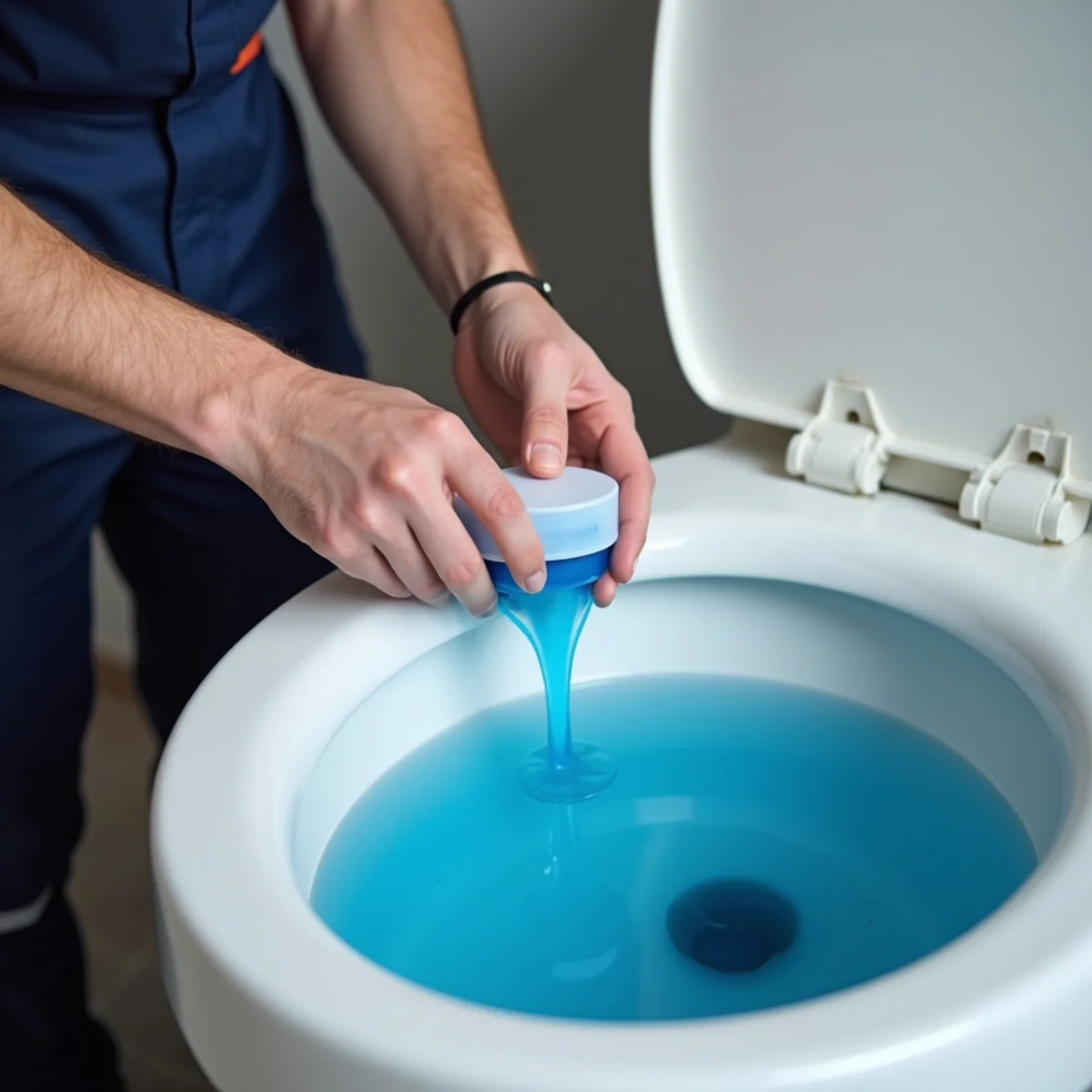
2. Rule out the toilets 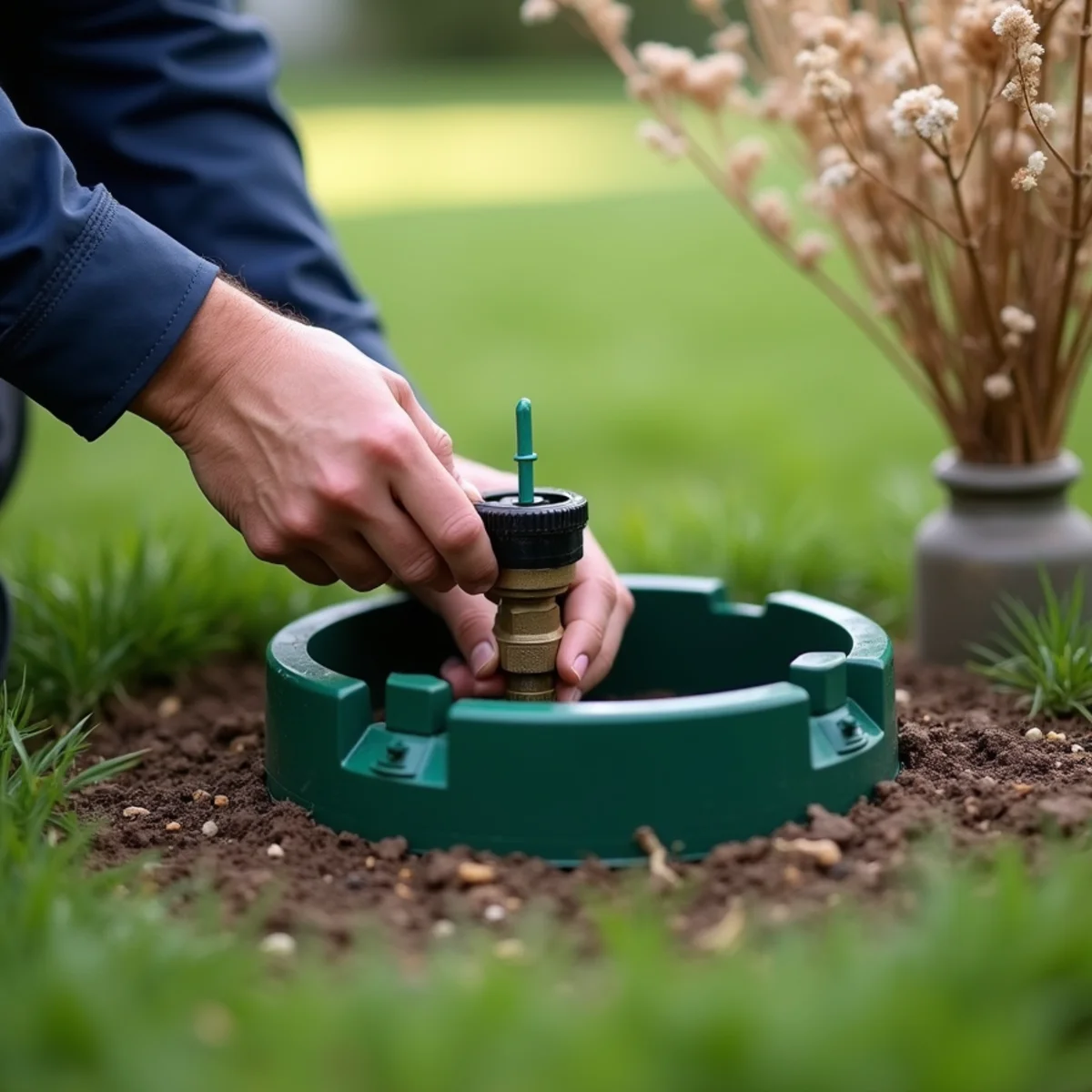
3. Isolate the irrigation 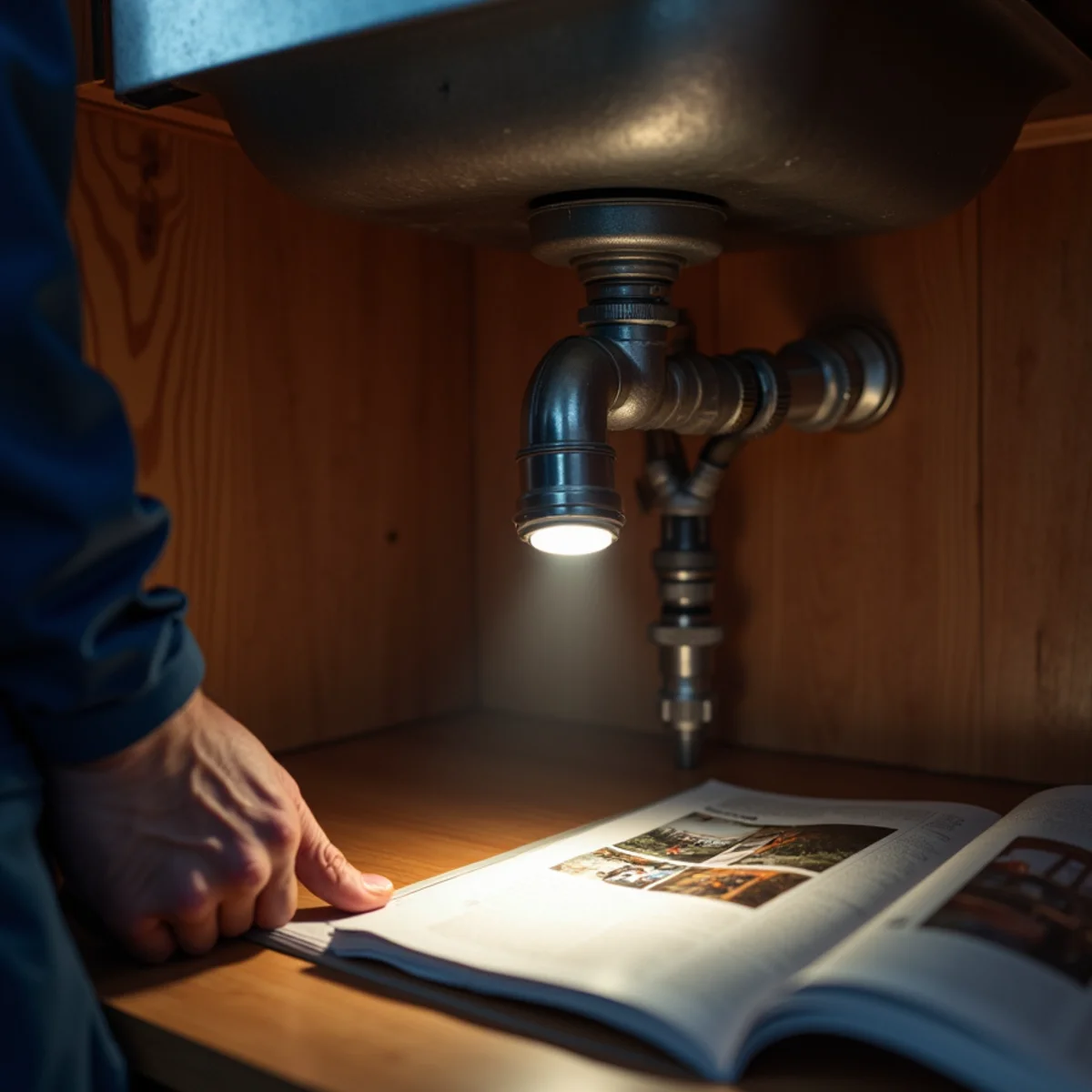
4. Check the usual suspects 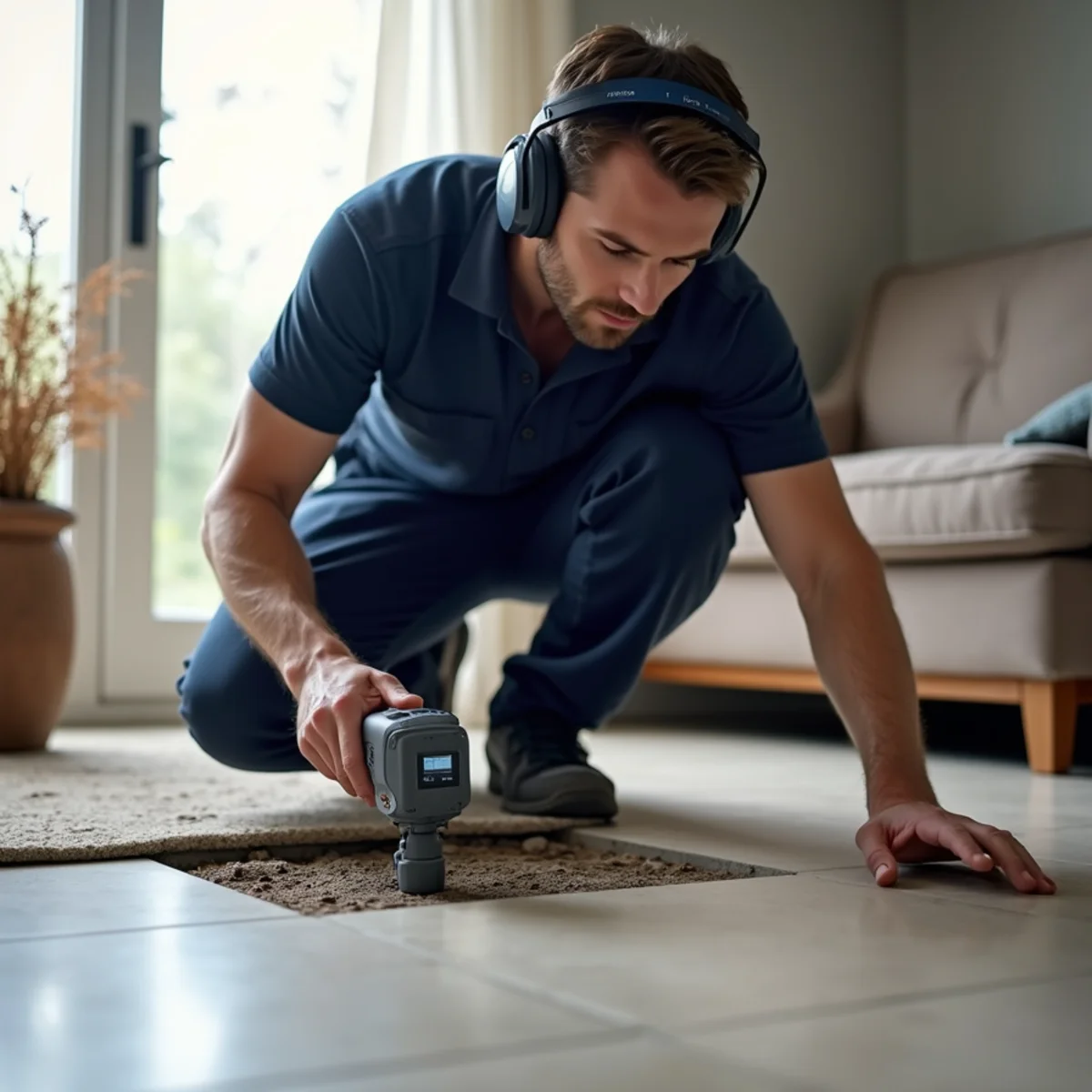
5. Slab and in-wall detection
Related services and areas
If this article describes what you're dealing with, these are the pages that cover the fix.
Frequently Asked Questions
Want it handled?
Talk to a Licensed Fredericksburg Plumber
Written, itemized estimate before we start. We'll also tell you honestly when the answer is that you don't need us yet.
- 4.8 stars · 26 reviews
- Licensed & insured
- 24/7 emergency service