The short answer
Two questions narrow this immediately: is it every fixture or just one, and did it happen suddenly or fade over years? One fixture is almost always a clogged aerator. Sudden whole-house loss points at a failed pressure-reducing valve. Gradual whole-house decline over years points at corroded galvanized pipe.
Low water pressure is one of those complaints with a dozen possible causes, and two questions eliminate most of them immediately.
First: is it every fixture in the house, or just one? Second: did it happen suddenly, or fade over years?
Work through this in order and you will either fix it yourself or know exactly what to tell a plumber.
First: measure it
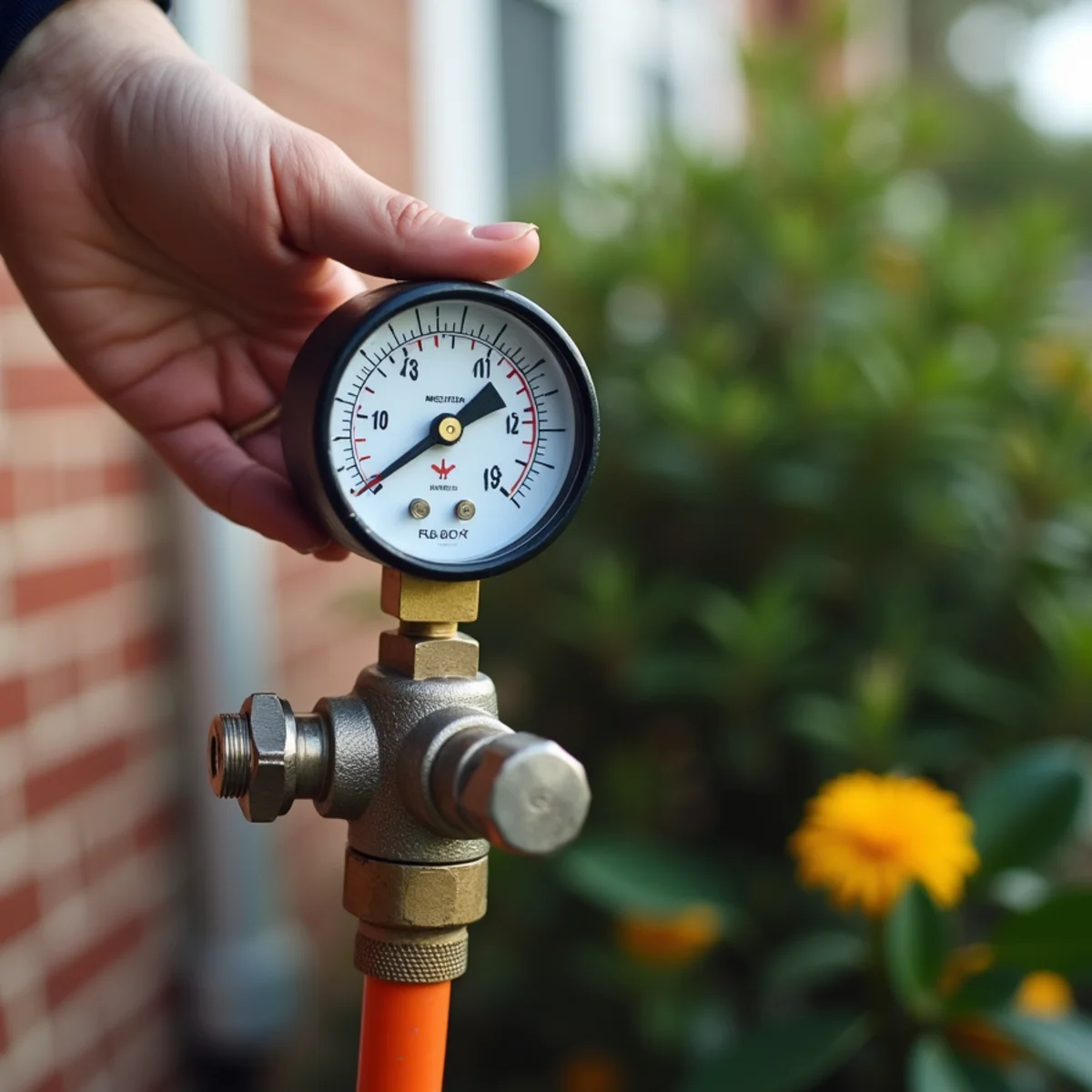
A pressure gauge that threads onto a hose bib costs about ten dollars at any hardware store, and it converts a subjective complaint into a number.
With every other fixture off, thread it on, open the bib fully, and read it. Normal residential static pressure is 45 to 75 PSI. Below 40 is genuinely low. Above 80 is too high and is quietly damaging your fixtures and appliances — a different problem worth solving.
One fixture only
If the rest of the house is fine, the problem is at that fixture. In order of likelihood:
Clogged aerator — free to fix
Unscrew the aerator from the faucet tip, soak it in white vinegar for an hour, brush out any debris, rinse and reinstall. In our mineral-heavy water this is the cause more often than anything else, and it costs nothing.
Shower heads are the same. Unscrew, soak in vinegar, clear the jets with a pin.
Partially closed shutoff
Check the angle stop under the sink or behind the toilet. Somebody may have closed it partway during past work and never fully reopened it.
Failing cartridge or restricted supply line
If flow is still poor with the aerator removed entirely and the stop fully open, the faucet cartridge is worn or the supply line and angle stop are restricted. Both are inexpensive fixture repairs.
Whole house, sudden onset
If pressure dropped noticeably over days or weeks rather than years, the list is different.
Pressure-reducing valve failure
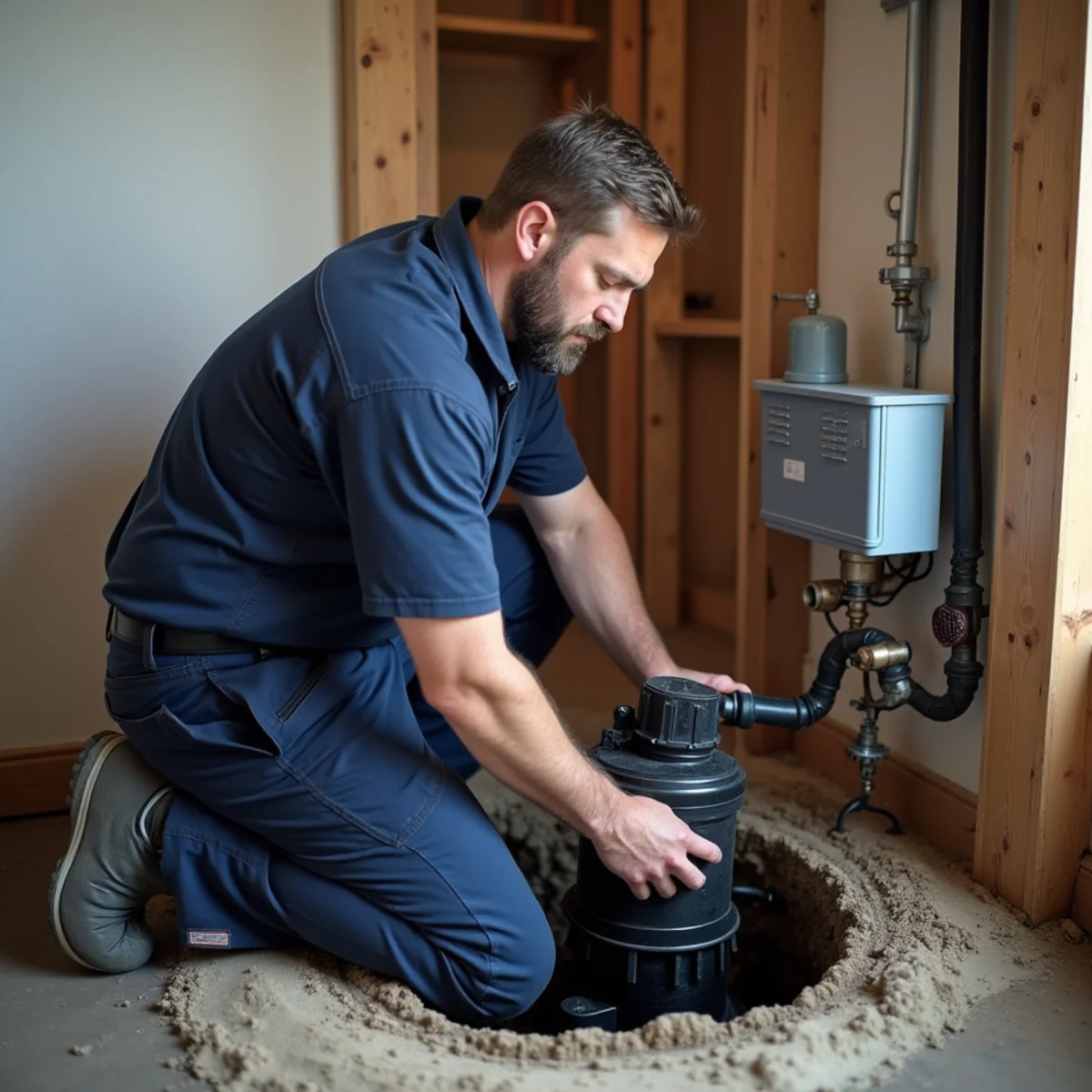
Most homes on municipal water have a PRV where the service enters, reducing street pressure to something the house can handle. They fail, typically after ten to twenty years, and when they fail they usually fail toward low.
This is one of the most common causes of a sudden whole-house pressure drop, and it is a straightforward repair.
A partially closed main valve
If anyone has worked on the plumbing recently, check that the main shutoff is fully open. Gate valves in particular can be left partly closed without it being obvious.
A leak in the service line
A break in the buried line between the meter and the house drops pressure and raises your bill simultaneously. Run the meter test: everything off, watch the low-flow indicator. If it moves, there is an active leak — see our guide to finding a hidden water leak.
Municipal work
Water main work in the neighborhood affects pressure temporarily and often stirs up sediment that then clogs aerators throughout the house. If neighbors are affected too, wait it out and then clean your aerators.
A clogged whole-house filter
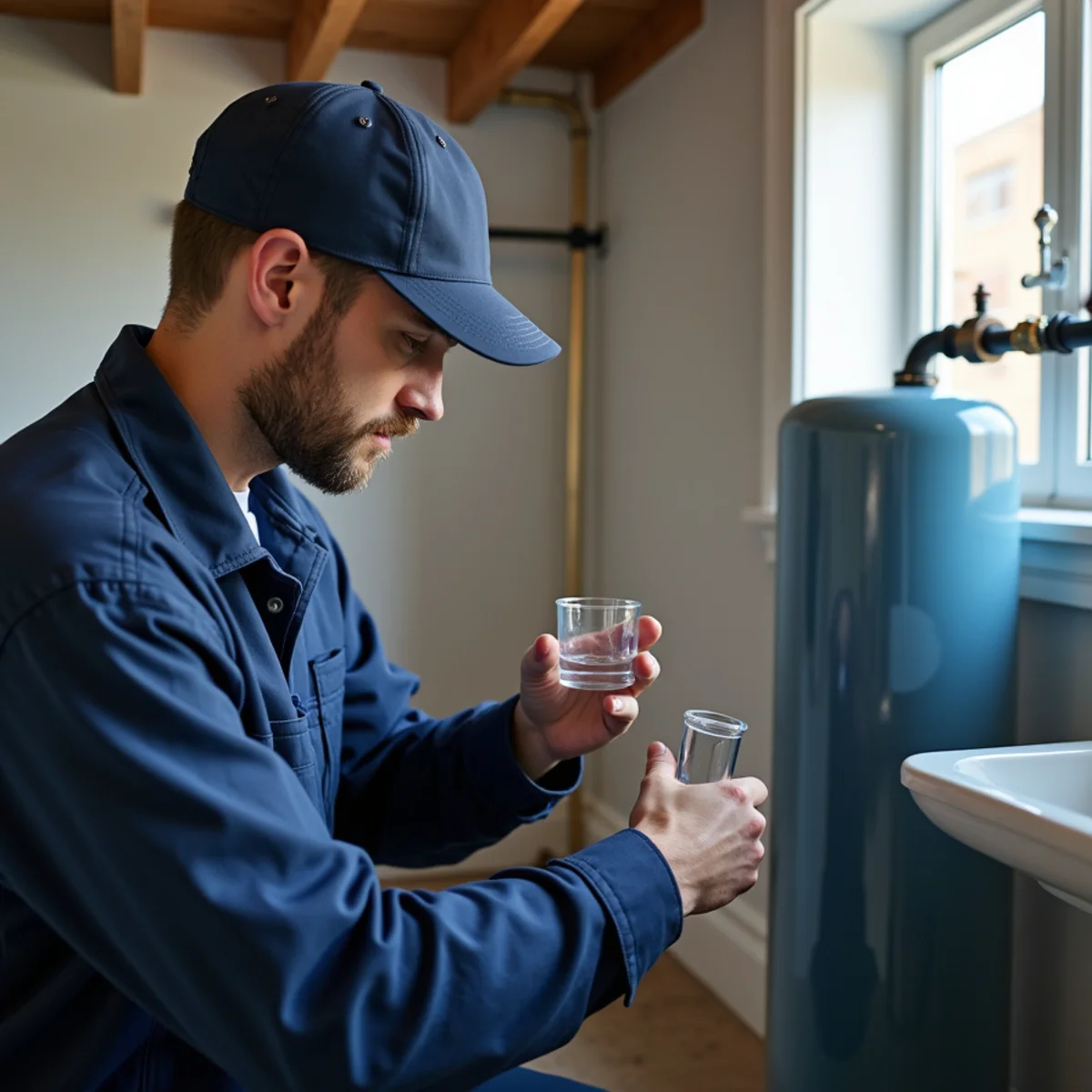
If you have a sediment filter or water treatment equipment, a loaded cartridge restricts flow across every fixture at once. This is by far the most common cause on well systems, and it gets blamed on the pump constantly. Check the filter before you call anybody.
Whole house, gradual over years
This is the pattern that points at the piping itself, and it is common in older Fredericksburg homes.
Galvanized steel supply pipe corrodes inward, building hard scale on the inside wall while looking perfectly sound from outside. A three-quarter-inch line can close down to a quarter inch of usable opening across four or five decades.
Because it happens so gradually, most people stop noticing until a guest comments or they shower in a newer house. Two other signs usually accompany it: rusty or tea-colored water first thing in the morning after the system sat idle, and pressure that collapses when a second fixture opens.
There is no maintenance for this — you cannot clean the inside of a galvanized supply line. If your gauge reads under 40 PSI and the house predates about 1970, read our guide to the signs a home needs repiping.
If you are on a well
Well systems have their own pressure causes, and the order of checking matters because it saves money.
- The whole-house sediment filter. A loaded cartridge is the most common cause and the cheapest fix.
- Pressure switch settings. A switch set at 30/50 simply cannot deliver satisfying pressure to a second floor. Adjusting to 40/60 is sometimes the entire fix, provided the pump and tank support it.
- The pressure tank's air charge. A waterlogged tank causes pressure to surge up and down rather than staying low, but it is worth checking. With the system drained, the pre-charge should read about 2 PSI below the switch's cut-in setting.
- The pump itself. Last, not first — and diagnosed electrically before anybody pulls pipe.
One more thing: pressure that is too high
If your gauge reads above 80 PSI, that is a problem in the other direction. High pressure stresses every joint, shortens the life of fixture cartridges and appliance valves, causes water hammer, and can force a water heater's relief valve to weep.
The fix is a pressure-reducing valve, and where one already exists it needs adjusting or replacing. It is a small job that quietly extends the life of everything downstream of it.
Related services and areas
If this article describes what you're dealing with, these are the pages that cover the fix.
Frequently Asked Questions
45 to 75 PSI static, measured with a gauge on a hose bib with everything else off. Below 40 is genuinely low. Above 80 is too high and quietly damages fixtures, appliance valves and joints — that needs a pressure-reducing valve rather than being ignored.
Nearly always a clogged aerator or a partially closed shutoff under the sink. Unscrew the aerator, soak it in white vinegar for an hour, rinse and reinstall — that fixes it most of the time at no cost. If flow is still poor with the aerator removed, the cartridge or supply line is restricted.
On municipal water, a failing pressure-reducing valve is the most common cause — they typically fail after ten to twenty years and usually fail toward low. Also check that the main valve is fully open, and run the meter test to rule out a service line leak. On a well, check the sediment filter first.
If it faded gradually over years in a home built before about 1970, very likely. Galvanized steel corrodes inward and closes the pipe down from the inside while looking fine outside. Rusty water in the morning and pressure collapsing when a second fixture opens are the confirming signs.
Want it handled?
Talk to a Licensed Fredericksburg Plumber
Written, itemized estimate before we start. We'll also tell you honestly when the answer is that you don't need us yet.
- 4.8 stars · 26 reviews
- Licensed & insured
- 24/7 emergency service