The short answer
You likely need repiping if three or more of these appear together: discoloured water after the system sits idle, static pressure under 40 PSI, pressure collapsing when a second tap opens, repeat leaks in different parts of the house, visible corrosion at joints, and original supply piping in a pre-1970 home.
Repiping is one of the largest plumbing decisions a homeowner makes, and it is surrounded by bad incentives. A contractor who quotes a repipe off a single leak is overselling. A homeowner who patches the fifth leak in two years is underspending. Neither is a good outcome.
So here is how we actually evaluate it, including the checks you can run yourself before calling anybody.
1. Discolored water after the system sits idle
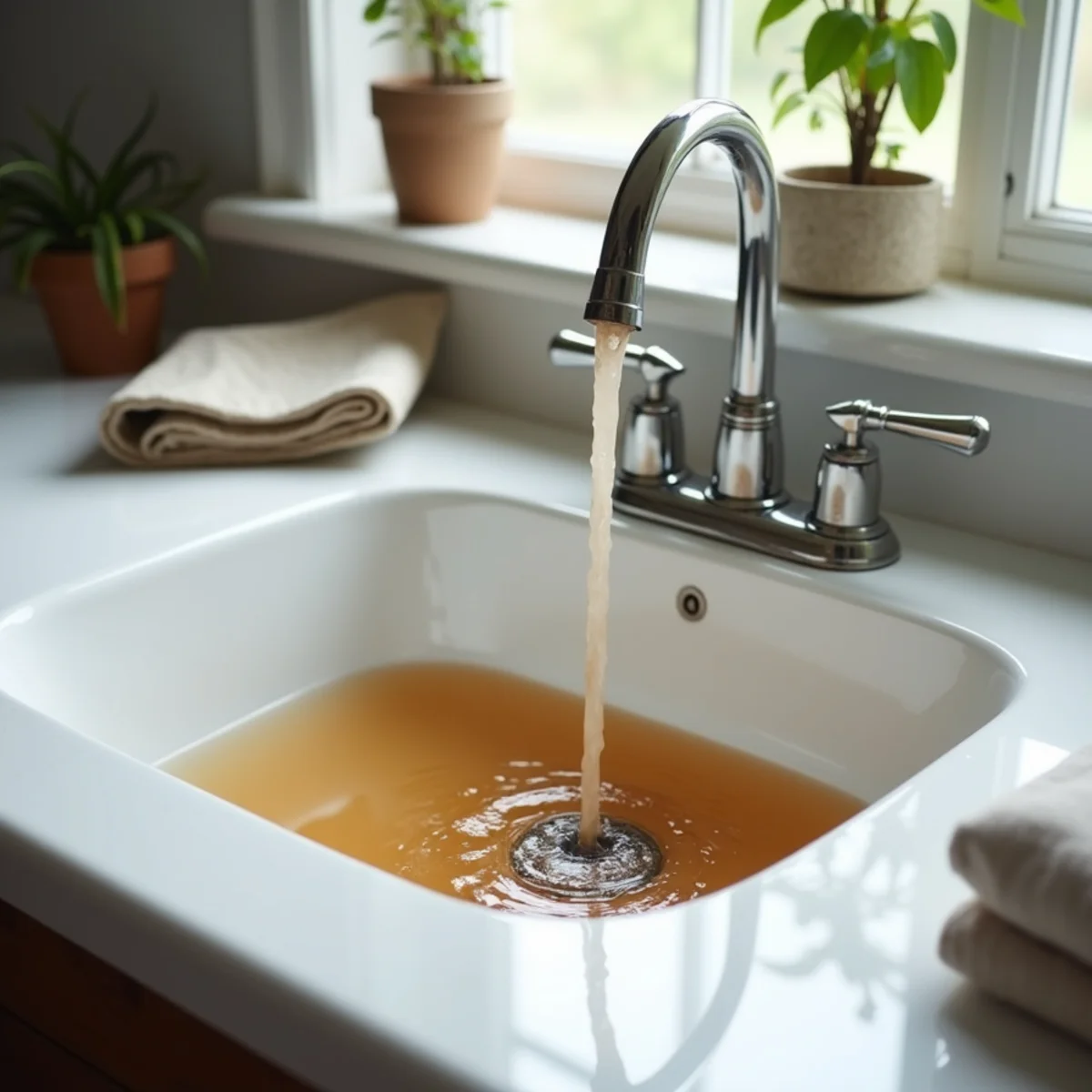
Run the cold tap first thing in the morning, after nobody has used water for six or eight hours. If it comes out with a rust or tea-colored tint that clears after twenty or thirty seconds, water is picking up corrosion product from the inside of your pipes while it sits.
This is the single clearest galvanized indicator. If it is worse on the hot side, that is consistent — heat accelerates the corrosion.
One caveat: discoloration on both hot and cold across the whole neighborhood after municipal main work is a different thing entirely and it clears on its own.
2. Water pressure that faded over years
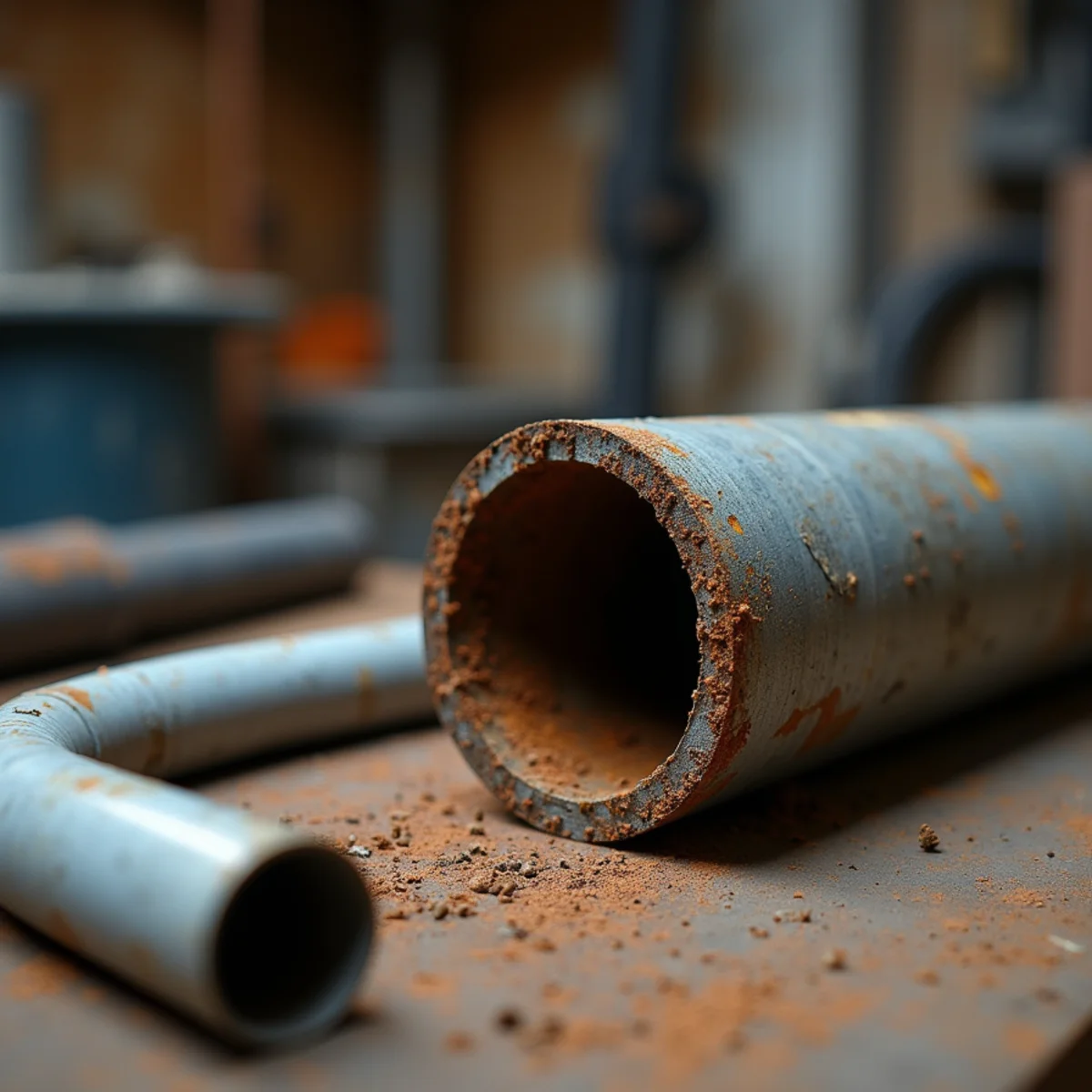
Galvanized steel corrodes inward, building hard scale on the inside wall while looking perfectly sound from outside. A three-quarter-inch line can close down to a quarter inch of usable opening over decades.
Because it happens gradually, most people stop noticing. The tell is when a guest comments on the shower, or when you visit a friend's newer house and realize what normal pressure feels like.
Test it yourself
A pressure gauge that threads onto a hose bib costs about ten dollars at any hardware store. With every other fixture off, open the bib fully and read it. Normal residential static pressure runs 45 to 75 PSI. Consistent readings under 40 in an older home point at the pipe rather than the municipal supply.
3. Pressure that collapses when a second fixture opens
Restricted supply lines cannot serve two demands at once. If the shower goes cold or weak the moment somebody runs the kitchen sink or starts the washing machine, the pipe is the bottleneck.
This is distinct from the shower temperature swing caused by an old non-pressure-balanced valve, which is a fixture problem rather than a piping one.
4. Multiple leaks in different parts of the house
This is the one that matters most, and it is about pattern rather than any individual event.
One pinhole in copper at a high-velocity elbow is a repair. Three pinholes in eighteen months, in three different locations, is a system that reached the same point in its life everywhere at once. Continuing to patch means paying for a sequence of small repairs while ceiling and wall damage accumulates between them.
Homes in College Heights and other mid-century Fredericksburg neighborhoods are hitting this stage now — the copper is old enough to start telling you.
5. Your home predates 1970 and has original supply
Galvanized steel had a working life of roughly forty to fifty years. Anything original from before about 1970 is well past it, whether or not it has failed yet.
Check the pipe where it enters the house or at the water heater. Galvanized is dull grey steel with threaded fittings, and a magnet sticks to it. Copper is unmistakable. PEX is flexible plastic in red, blue or white. Polybutylene — grey, sometimes blue or black plastic with crimped fittings — deserves its own plan, because its failure record is poor.
6. Visible corrosion, staining or green deposits
Look at exposed runs in the basement or crawl space. Rust bleeding at threaded joints on galvanized, blue-green crusting at copper fittings, or white mineral deposits building at connections are all signs the pipe is losing the argument with the water.
Blue-green staining specifically often indicates slightly acidic water attacking copper, which is common on private wells in this region. That is worth addressing at the source as well as at the pipe.
7. You are about to renovate anyway
This is the least urgent sign and the most economically sensible one. If walls are opening for a kitchen or bath renovation, the marginal cost of replacing the supply piping in those walls is dramatically lower than doing it as a standalone project later.
Bring a plumber in during planning, not after the cabinets are set.
What a repipe actually involves
The fear people have is that repiping means gutting the house. In a well-planned job it does not.
We route the new system through closets, existing chases, basement ceilings, attic floors and cabinet backs wherever it is physically possible. PEX is a genuine advantage here because it bends around obstacles that rigid copper would require wall openings to accommodate. In historic homes around the Downtown Fredericksburg district, that difference determines whether original plaster survives.
Where an opening is unavoidable, it should be planned rather than exploratory — one clean rectangle in a low-visibility location, not three holes chasing a guess. Any good contractor will put the expected openings and the patching scope in writing before starting.
PEX or copper?
Both are legitimate. PEX costs less installed, needs far fewer wall openings, survives a freeze better, and is quieter. Copper is rigid, proven over a century, and preferred by some homeowners on principle — at the cost of more demolition in an occupied house.
We install both and we do not push either. What we will tell you is what each one means for your specific walls.
The honest bottom line
If you have one leak and good pressure and clear water, get the leak fixed and move on. If you have three or more of the signs above together — particularly discolored water plus low pressure plus repeat leaks — the system is at end of life and the money is better spent replacing it than chasing it.
We will give you that read honestly, including when the answer is that you do not need us yet.
7 Signs Your Old Fredericksburg Home Needs Repiping — at a glance
1. Discoloured water after the system sits idle 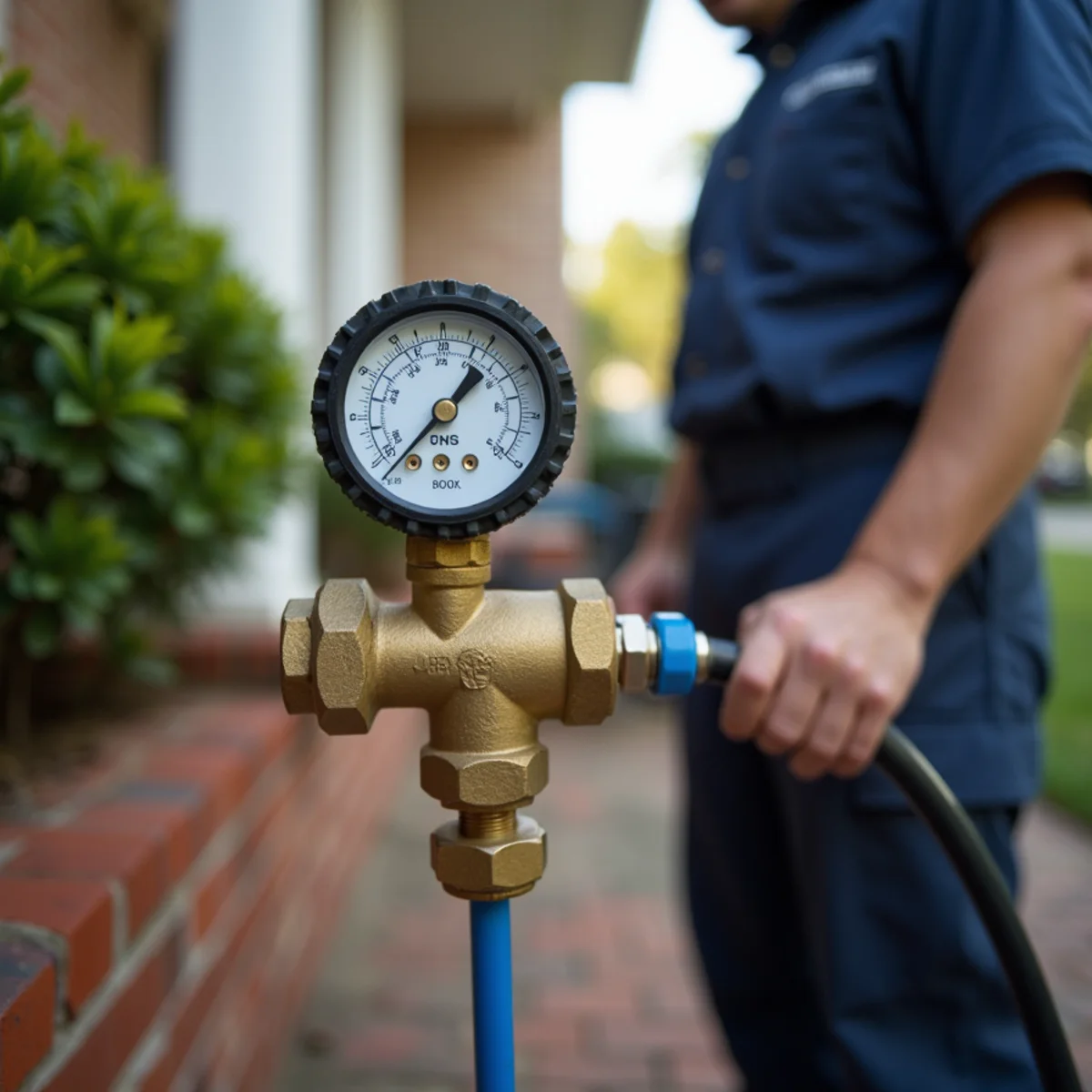
2. Pressure that faded over years 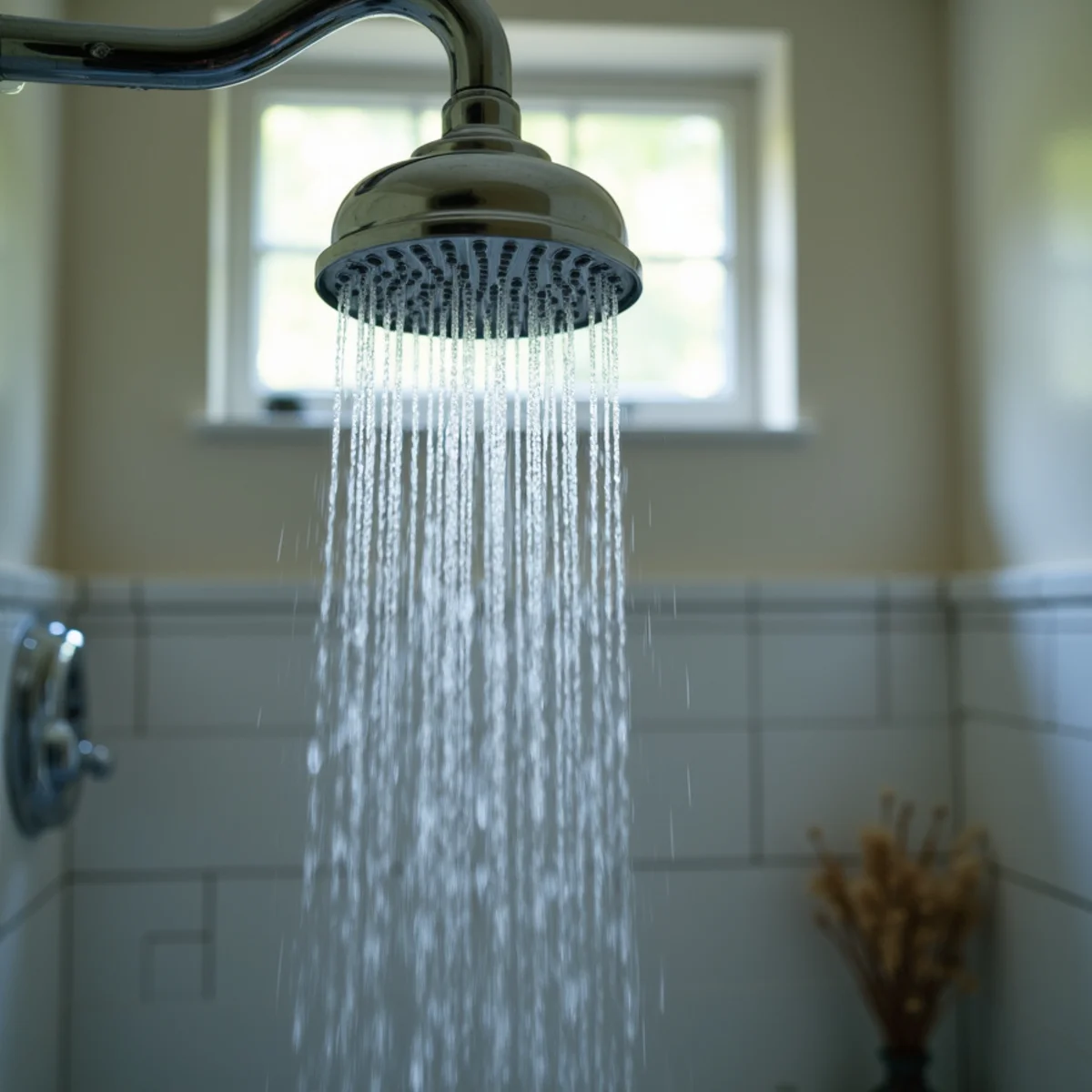
3. Pressure collapsing when a second fixture opens 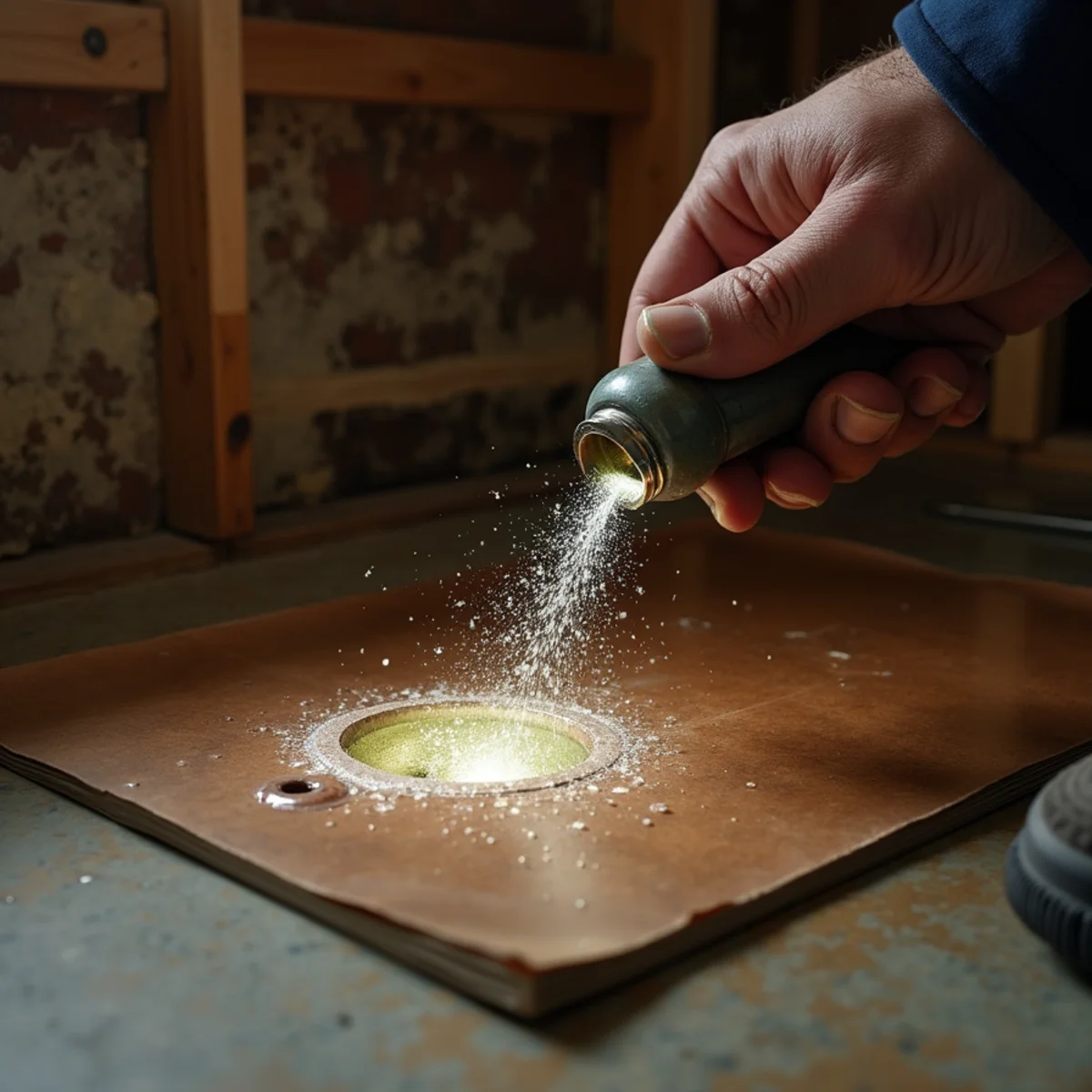
4. Multiple leaks in different parts of the house 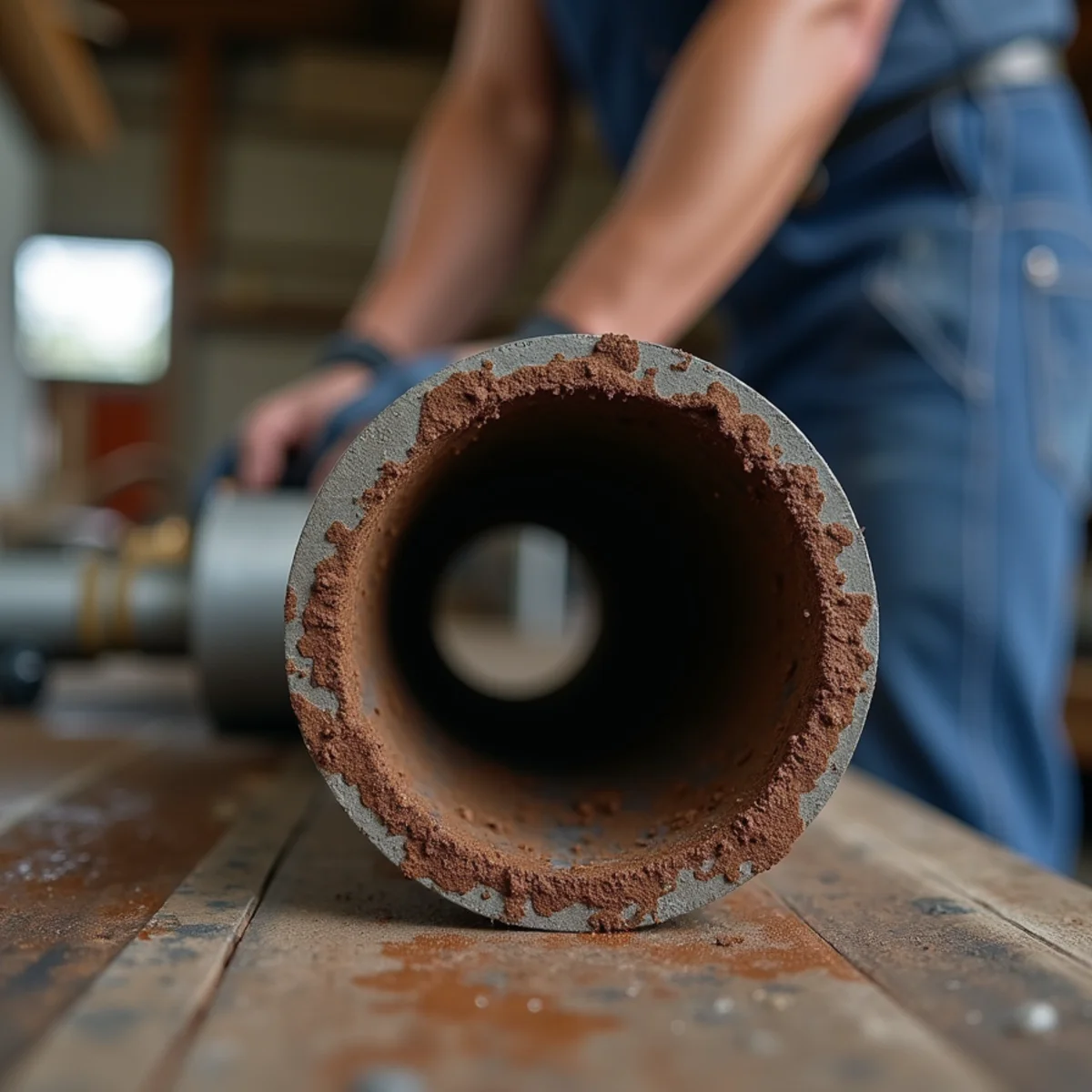
5. Pre-1970 home with original supply piping 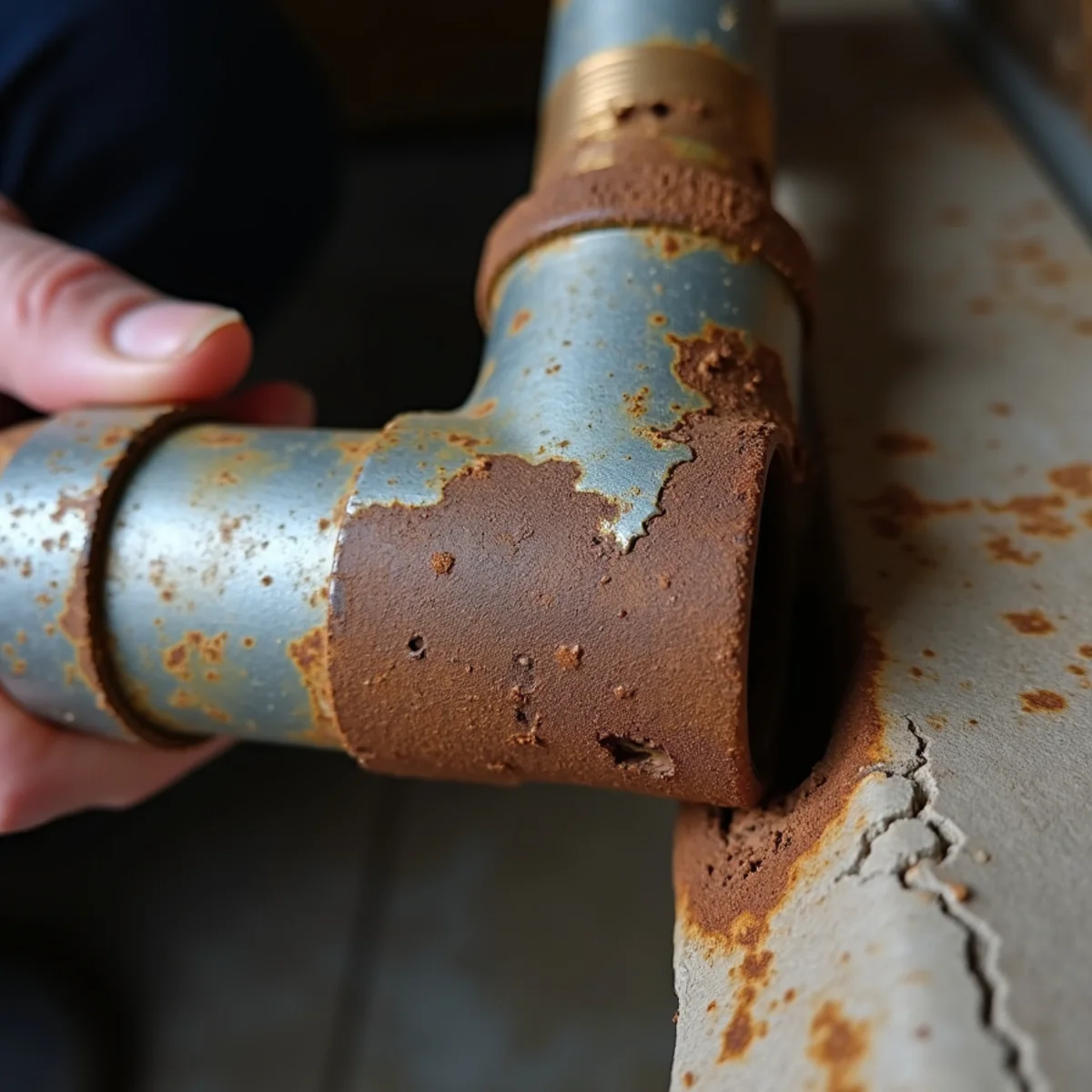
6. Visible corrosion, staining or green deposits 
7. You're about to renovate anyway
Related services and areas
If this article describes what you're dealing with, these are the pages that cover the fix.
Frequently Asked Questions
Roughly forty to fifty years, depending on water chemistry. It fails from the inside — corroding inward and building scale that closes the pipe down while the exterior looks sound. Anything original in a pre-1970 home is well past its service life whether or not it has leaked yet.
Frequently, yes, and it is often the smart middle option. If one branch has produced all the problems while the rest of the system is sound, replacing that branch costs a fraction of a whole-house repipe. We will tell you when that applies rather than defaulting to the larger job.
Almost never. Most repipes on an average home run a few days, and the work is sequenced so water is restored at the end of each day. You will have dust and plumbers in the house, and one bathroom may be out at a time, but people generally stay put.
For residential supply, yes — and better in some respects. It does not corrode, it survives a freeze more reliably, it is quieter, and it needs far fewer wall openings to install. Copper's advantages are rigidity, UV tolerance and a century of track record. Both are legitimate; the choice usually comes down to how much demolition you want.
Want it handled?
Talk to a Licensed Fredericksburg Plumber
Written, itemized estimate before we start. We'll also tell you honestly when the answer is that you don't need us yet.
- 4.8 stars · 26 reviews
- Licensed & insured
- 24/7 emergency service