The short answer
Replace if the tank shell itself is leaking — that is unfixable at any price. Otherwise weigh five things: age against an 8–12 year local life, repair cost against roughly half a replacement, remaining manufacturer warranty, whether your household demand changed, and whether the fault is a cheap part like a thermocouple.
There is an unhealthy incentive in this trade: replacement is a bigger ticket than repair, and the homeowner standing in a cold basement usually cannot evaluate the recommendation.
So here is the actual decision framework, including the checks anyone can run before a plumber arrives.
Question 1: Is the tank itself leaking?
This one decides everything else, so establish it first.
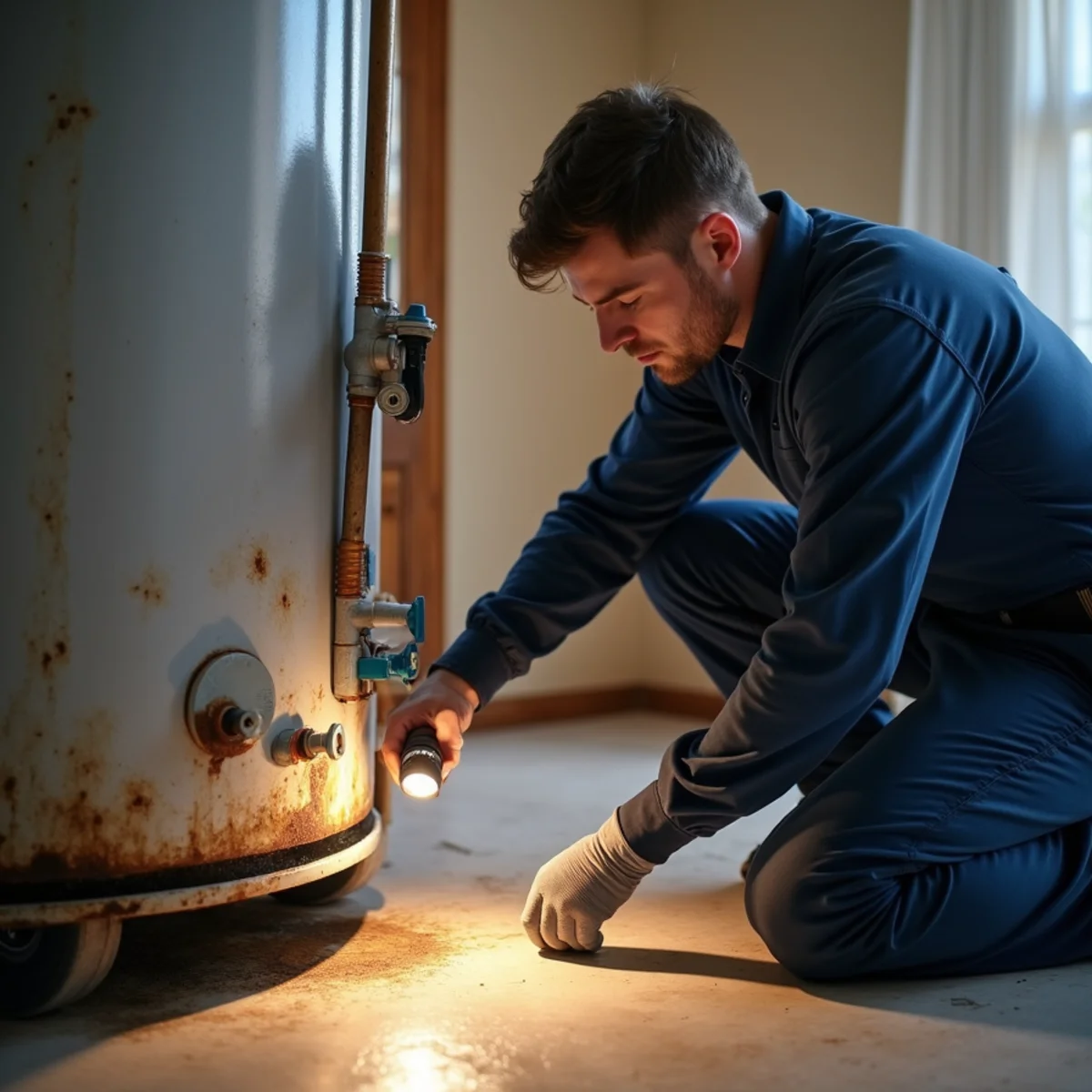
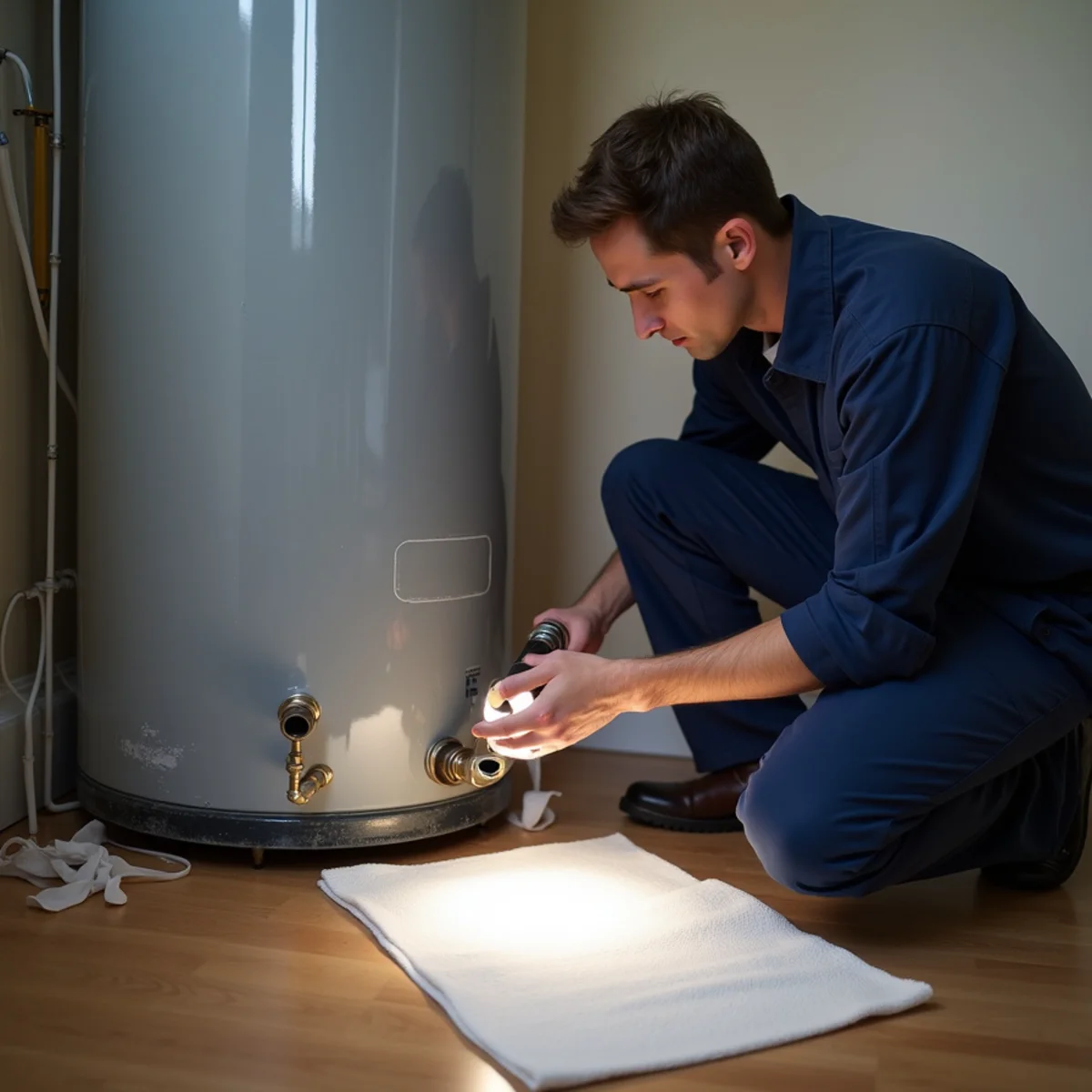
Water at the base of a water heater comes from four places, and three of them are repairable:
- The drain valve at the bottom. Often just needs tightening or a replacement valve. Repairable.
- The temperature and pressure relief valve, or its discharge pipe. Sometimes the valve is failing, sometimes it is doing its job because system pressure is too high — which is a different problem worth solving. Repairable.
- Supply connections at the top. A fitting, a flex connector or a dielectric union. Repairable.
- The tank shell itself. Not repairable at any price.
Dry everything thoroughly, put paper towels under each candidate, and check in a few hours. If water is seeping from the shell rather than a fitting, the tank has rusted through and the decision is made.
Question 2: How old is it?
Find the serial number on the rating plate. Most manufacturers encode the manufacture date in it — commonly the first four digits as week and year, or month and year, though formats vary by brand. A quick search for your brand's serial format will decode it.
Conventional tanks in this area typically run eight to twelve years. Local hard water pushes unmaintained units toward the low end — mineral scale on the tank floor insulates the burner and reduces usable capacity, which is why water heaters in Fredericksburg often fail earlier than the manufacturer's estimate.
A three-year-old unit with a bad thermocouple is obviously a repair. A thirteen-year-old unit with the same fault is money spent on borrowed time.
Question 3: What does the repair cost relative to replacement?
Our working rule: if a repair costs more than roughly half the price of replacement on a tank past year eight, replacement is the better money.
Cheap, worthwhile repairs on a tank with life left in it:
- Thermocouple or flame sensor — the most common reason a gas pilot will not stay lit.
- Heating elements and thermostats on an electric unit.
- Gas control valve — more expensive but still well short of a replacement.
- Anode rod — genuinely one of the highest-return maintenance items there is.
- Drain valve, T&P valve, or supply connectors.
Question 4: Is it still under warranty?
Manufacturers commonly cover tanks for six to twelve years. A surprising number of homeowners replace a unit that would have been covered, because nobody checked.
The serial number tells you the manufacture date; the manufacturer's website or a call with that number tells you the coverage. Note that warranties typically cover the tank, not the labor to swap it — but a free tank changes the math considerably.
Question 5: Has your household changed?
This is the question nobody asks and it matters.
If two people became five, if you added a large soaking tub, or if the morning routine now involves three back-to-back showers, the existing tank may have been undersized for years and the failure is an opportunity rather than just an expense.
Equally: if the kids have moved out, you may be paying to keep fifty gallons hot for two people. Sizing down is a legitimate option.
Symptoms and what they mean
Popping, rumbling or kettling
Sediment. Water trapped under a scale layer on the tank floor flashes to steam and forces its way out. It signals a tank working far harder than it should and a shorter remaining life than the calendar suggests. A flush helps if caught early.
Rusty hot water only
If the cold side is clear and only the hot is discolored, the tank lining is failing or the anode rod is spent. The anode is a cheap repair and worth trying. If the lining is gone, you are on countdown.
Hot water runs out much faster than it used to
Usually sediment taking up volume, sometimes a failed lower heating element on an electric unit. Both are diagnosable, and one of them is a cheap fix.
Pilot will not stay lit
Thermocouple, gas control valve, or a blocked flue. All three are repairs, not replacements — and the blocked flue one is worth taking seriously because it means combustion products are not venting properly.
If it is replacement, consider the alternatives
The moment of failure is the natural time to evaluate whether a tank is still the right answer. A heat pump water heater uses roughly a third of the electricity of a standard electric tank and suits an unconditioned basement well. A tankless unit gives endless hot water and a twenty-year life, at the cost of gas line and venting work — we compare the two in detail in our tank versus tankless guide for Virginia homes.
And whatever you install, consider addressing the water itself. Hard water is why tanks here die early, and treating it protects every appliance in the house rather than just the next water heater.
One maintenance habit worth building
Flush the tank annually. Shut off the fuel or power, close the cold inlet, run a hose from the drain valve to a floor drain or outside, and let it empty while briefly reopening the cold inlet to stir up sediment. It is an hour, and in this water it genuinely adds years.
Water Heater Repair or Replace? An Honest Decision Guide — at a glance
1. Is the tank itself leaking? 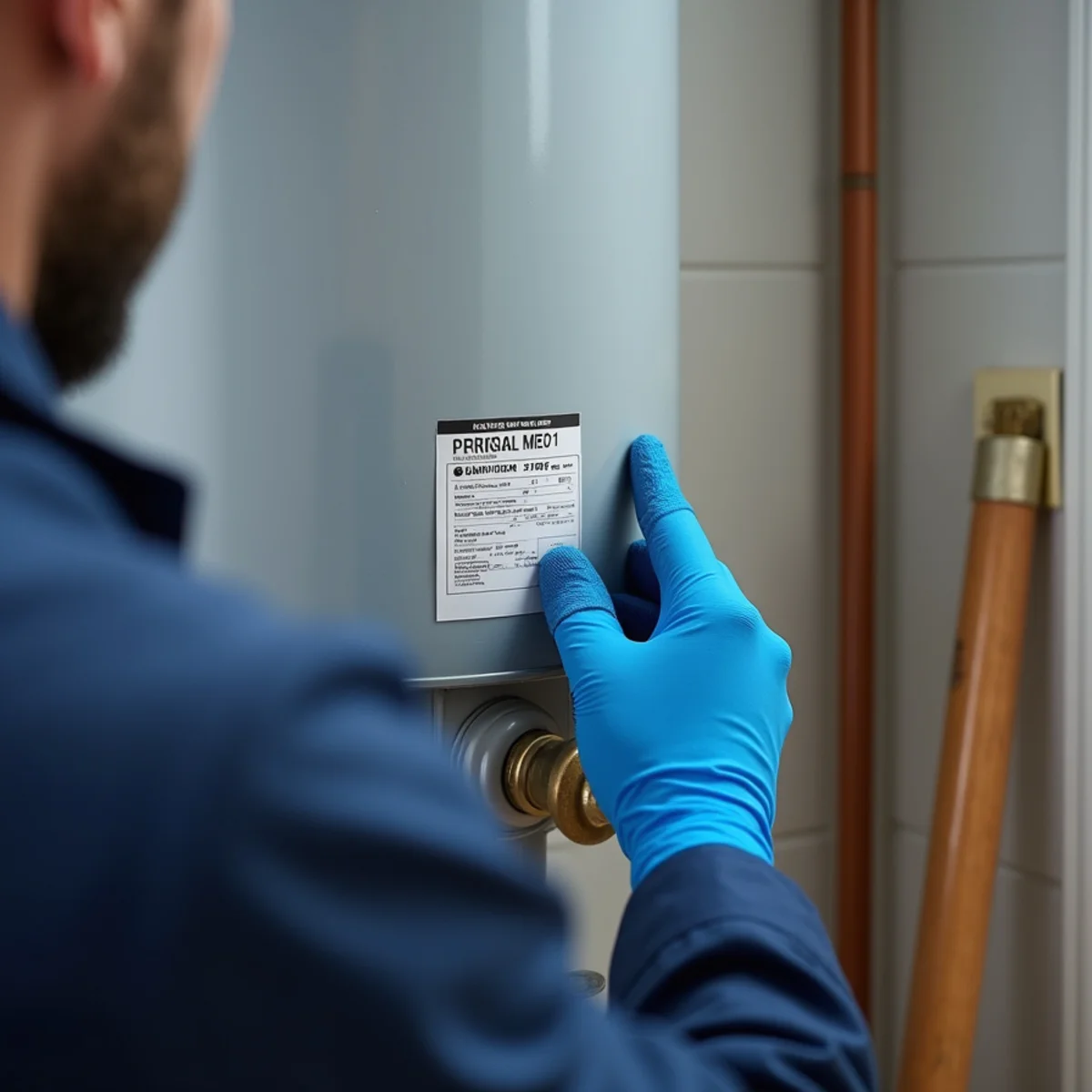
2. How old is it? 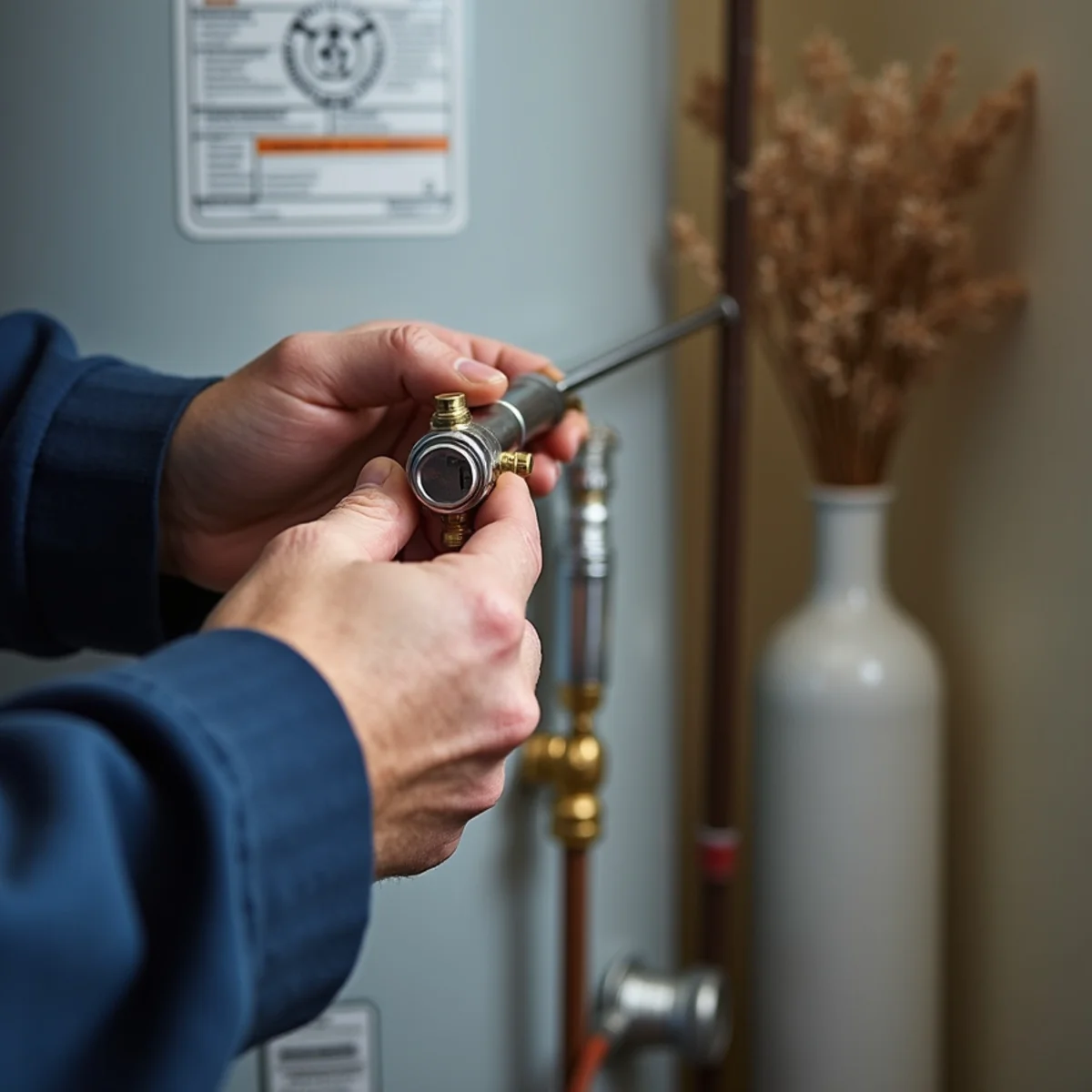
3. Repair cost versus replacement 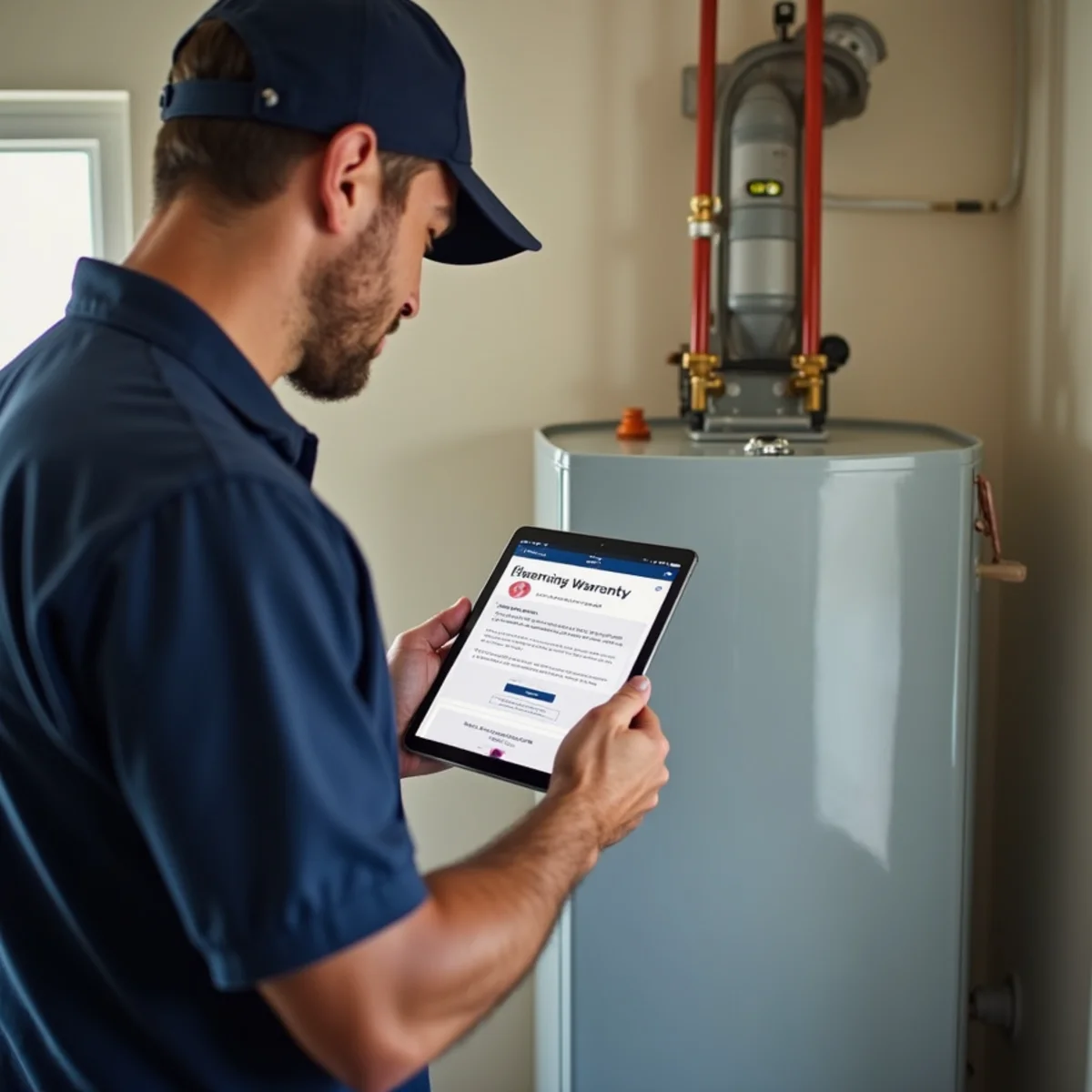
4. Is it still under warranty? 
5. Has your household changed?
Related services and areas
If this article describes what you're dealing with, these are the pages that cover the fix.
Frequently Asked Questions
The serial number on the rating plate usually encodes the manufacture date — commonly the first four digits as week and year, though formats vary by brand. A quick search for your manufacturer's serial format decodes it. Anything past ten years in our water is on borrowed time.
No. Leaks at the drain valve, the T&P valve, or the supply connections are all repairable. Only a leak from the tank shell itself is fatal — a rusted-through tank cannot be repaired at any price. Dry everything, put paper towels under each candidate, and check back in a few hours to find the source.
Sediment on the tank floor. Water trapped under the scale layer flashes to steam and forces its way through, producing the popping or rumbling. It means the unit is working much harder than it should and its remaining life is shorter than the calendar suggests. An annual flush prevents it.
It is one of the highest-return maintenance items in a house. The sacrificial anode corrodes so the tank does not; once it is spent, the tank starts. Replacing it around year five can add several years to a tank's life for a small cost. Almost nobody does it, which is part of why tanks fail early.
Want it handled?
Talk to a Licensed Fredericksburg Plumber
Written, itemized estimate before we start. We'll also tell you honestly when the answer is that you don't need us yet.
- 4.8 stars · 26 reviews
- Licensed & insured
- 24/7 emergency service