The short answer
Fredericksburg water carries enough dissolved calcium and magnesium to scale fixtures, appliances and water heater tanks. It is not a health concern — it is an expense one. The right response depends on your measured hardness: a softener removes it, carbon fixes taste, and salt-free conditioners only reduce scale.
Water treatment is the corner of plumbing with the most aggressive marketing and the least homeowner information. People get sold five-figure systems for problems a filter cartridge would solve, and other people live with genuinely hard water for a decade because they assume treatment is a luxury item.
Both mistakes come from the same place: nobody tested the water first.
What hard water actually is
Hardness is dissolved calcium and magnesium picked up as water moves through rock and soil. It is measured in grains per gallon, and it is not a health concern — the minerals are the same ones in your food.
It is an expense concern, and a larger one than most people realize, because those minerals come out of solution and deposit on every surface the water touches.
Where it costs you
Your water heater, most of all
Every gallon that passes through the tank leaves a little mineral behind on the tank floor. That scale layer does three bad things: it insulates the burner from the water, so the unit runs longer for the same result; it takes up volume, so a 50-gallon tank behaves like a 35-gallon one; and it traps water underneath that flashes to steam, which is the popping and rumbling people report.
This is the main reason water heaters in the Fredericksburg area frequently give eight or nine years against a rated twelve. It is also why an annual flush is genuinely worth the hour.
Tankless units, even more sensitively
A tankless heat exchanger has narrow passages, and scale accumulates in them faster than it does in a tank. Without treatment or diligent annual descaling, output drops, error codes start, and eventually the heat exchanger needs replacement — a repair that costs more than a decade of maintenance would have.
Everything else
- Dishwashers and washing machines — scale on heating elements and in valves, measurably shorter appliance life, and spotting on glassware that no amount of rinse aid fully solves.
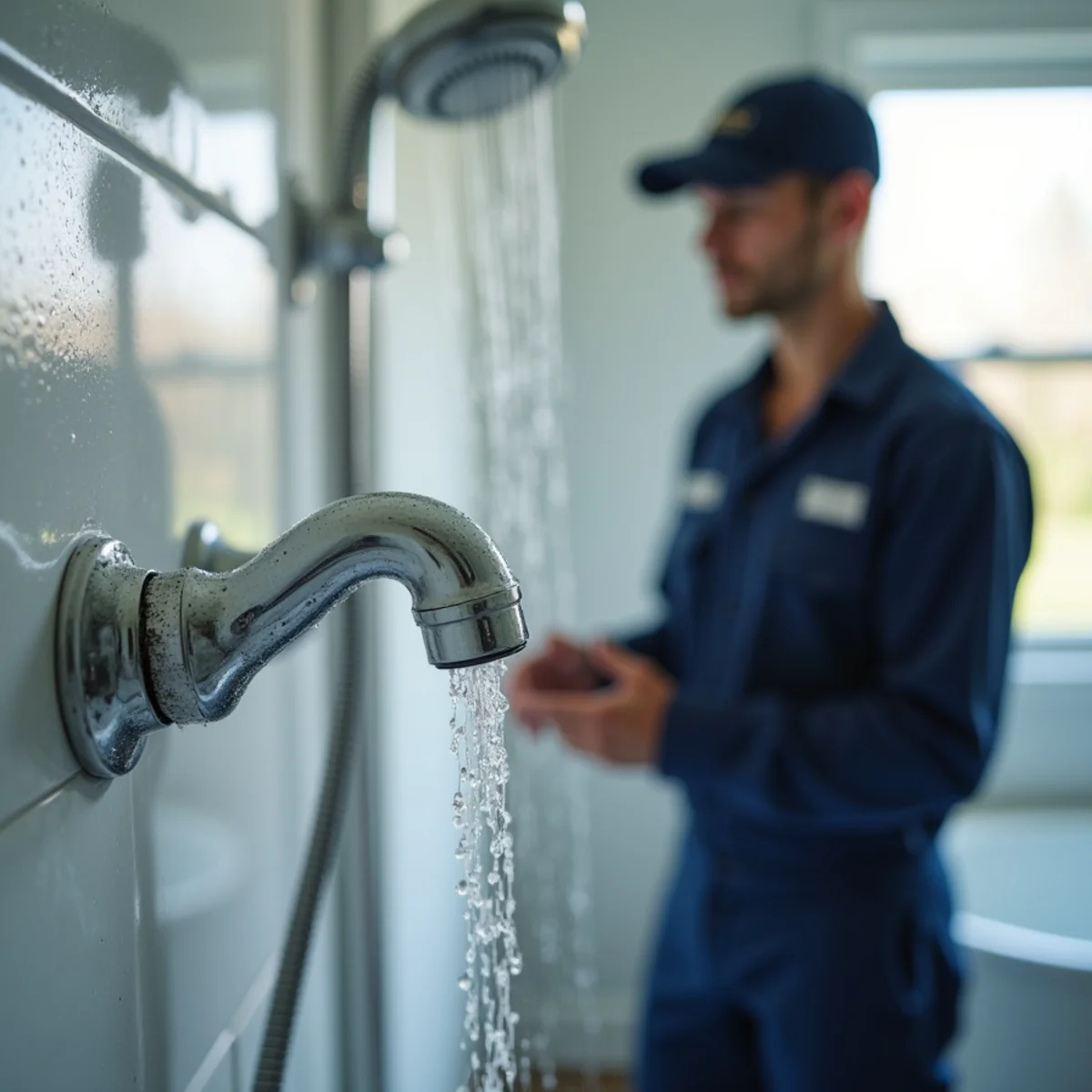
- Fixtures — shower heads clog, aerators need constant cleaning, and faucet cartridges wear faster than their rated life.
- Soap and detergent — hardness minerals bind with surfactants before they can work, so you genuinely use more of everything for worse results.
- Laundry — fabric feels stiff, whites go grey, and the fibers wear faster.
Municipal versus well water here
Homes in this region draw from two very different sources with different problems.
City of Fredericksburg and county utility customers get treated, tested, regulated water that is safe to drink. What it still carries is dissolved mineral content and residual disinfectant — neither a health concern, both noticeable in daily life.
Substantial parts of Spotsylvania, Caroline, King George and rural Stafford are on private wells, and well water is unregulated. Around here the common findings are iron (orange staining), hydrogen sulfide (the rotten-egg smell), sediment, and in places low pH that is aggressive toward copper pipe. If you are on a well, annual testing for bacteria and nitrates is genuinely important — nobody is doing it for you.
The equipment, and what each one actually does
Sediment filter
A cartridge that catches sand, silt and rust at the point water enters the house. Inexpensive, easy to service, and the correct first stage on almost any well system. It does nothing for hardness or taste — it is a mechanical strainer.
Ion-exchange softener
The only thing that actually removes hardness. Water passes through a resin bed that swaps calcium and magnesium for sodium, and the bed periodically regenerates using brine from a salt tank. It works, it has worked for decades, and it is the right answer for hardness.
Honest trade-offs: you refill salt every month or two, it uses some water during regeneration, and it adds a small amount of sodium — meaningfully less than most everyday foods. For anyone on a sodium-restricted diet, potassium chloride is an alternative, or the kitchen cold tap can be left unsoftened.
Salt-free conditioners
These change the form of the minerals so they are less likely to stick to surfaces. They do reduce scale accumulation. They do not remove hardness — your water still tests hard, soap still behaves the same, spotting still occurs.
They are a reasonable choice if you want scale protection without salt handling or a drain connection. They are not a softener, and any salesperson who tells you otherwise is not being straight with you.
Whole-house carbon
Removes chlorine, chloramine and many taste and odor compounds at every tap. On municipal water it is the upgrade that makes the most immediately perceptible difference — showering and drinking both change noticeably. It does nothing for hardness, so it is often paired with a softener.
Reverse osmosis
An under-sink membrane system producing genuinely excellent drinking water. Slow and it wastes some water, which is why it is used at a point of use rather than whole-house. Pairs well with a softener — RO membranes last considerably longer on softened feed water.
Test first. Always.
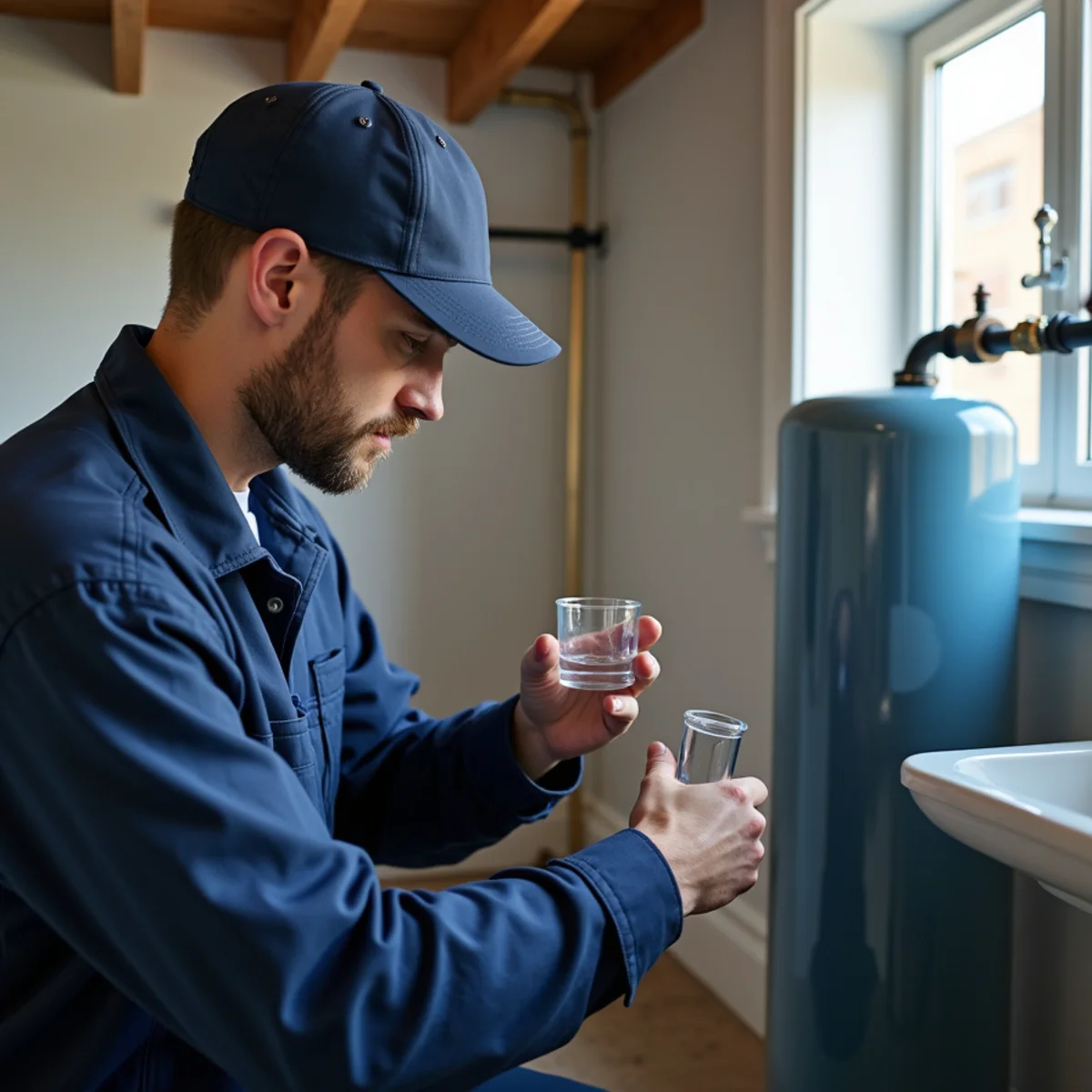
A water test is inexpensive and it turns a guess into a decision. Hardness in grains per gallon, iron, pH, and for wells, bacteria and nitrates.
Once you have numbers, the right equipment becomes obvious — and just as importantly, so does the equipment you do not need. We test as part of any treatment consultation, and when the answer is a forty-dollar filter rather than a system, we say so.
The ongoing cost is real
Treatment equipment is not install-and-forget. Softeners need salt and periodic resin cleaning. Sediment and carbon cartridges have a service life measured in months. RO membranes and pre-filters need replacement on a schedule.
Neglected equipment does not just stop helping — a fouled filter restricts flow through the whole house and regularly gets mistaken for a failing well pump. Ask for the real annual operating cost before you buy, not just the install price.
Related services and areas
If this article describes what you're dealing with, these are the pages that cover the fix.
Frequently Asked Questions
No. The calcium and magnesium in hard water are the same minerals found in food, and hard water is not a health concern. It is an expense concern — it scales water heaters, shortens appliance life, clogs fixtures and makes soap work poorly.
Test it. Test strips give a rough number and a lab test gives a precise one, in grains per gallon. We test at your tap as part of any treatment consultation, because recommending equipment without a number is guesswork — and expensive guesswork.
They reduce scale buildup, which is real and useful. They do not remove hardness — your water still tests hard, soap still behaves the same, and spotting still happens. They are a fair choice if you want scale protection without salt or a drain line, but they are not a softener.
Considerably. Tankless heat exchangers scale up faster than tanks because of their narrow passages, and scale is the leading cause of reduced output and error codes here. A softener does not eliminate the annual descaling requirement, but it makes each service easier and substantially extends the unit's life.
Want it handled?
Talk to a Licensed Fredericksburg Plumber
Written, itemized estimate before we start. We'll also tell you honestly when the answer is that you don't need us yet.
- 4.8 stars · 26 reviews
- Licensed & insured
- 24/7 emergency service