The short answer
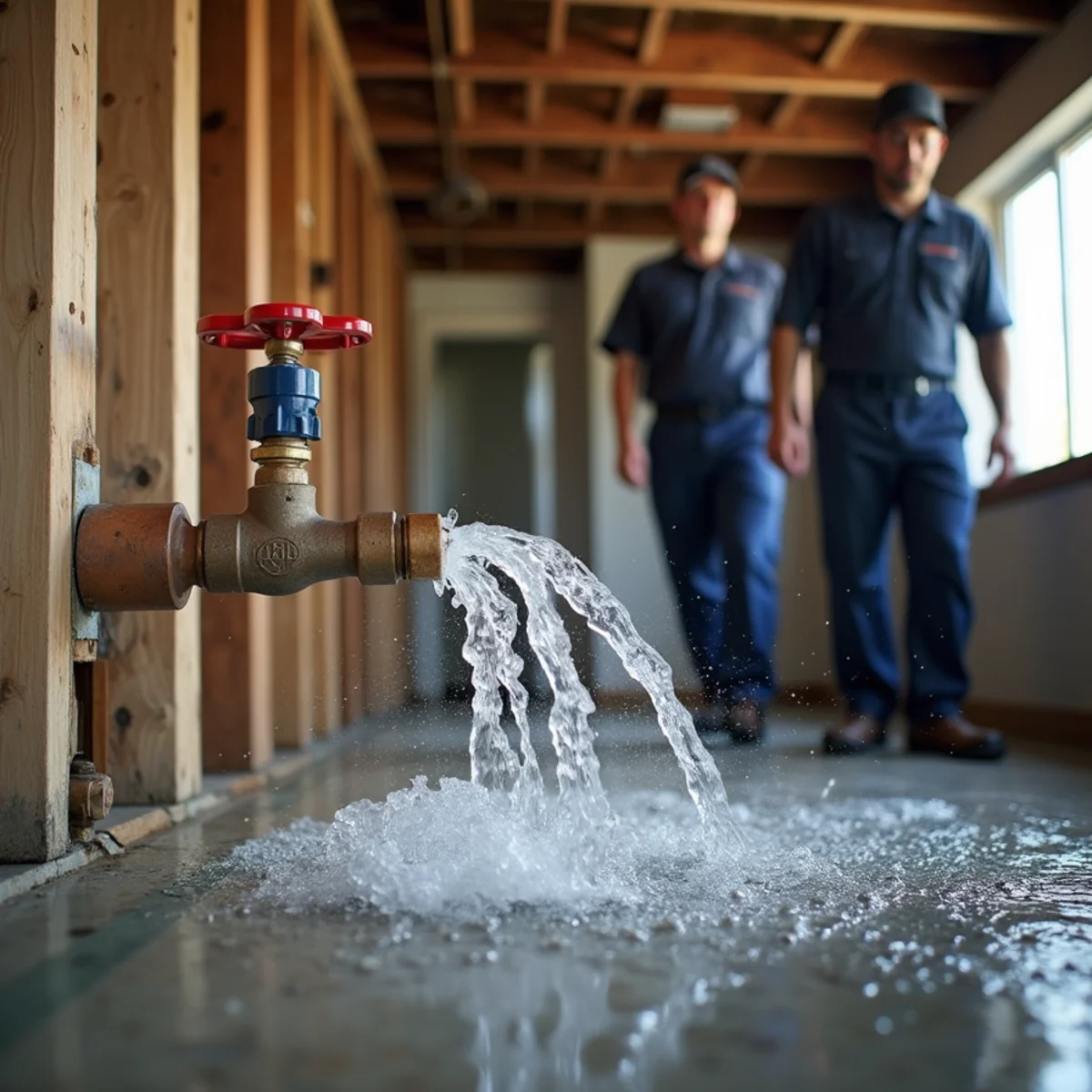
Shut off the water first — everything else is secondary. Then kill power in the affected area and shut off the water heater, open several faucets to drain the system, move valuables clear, and only then call. A failed half-inch supply line can move several hundred gallons an hour.
A failed half-inch supply line can move several hundred gallons an hour. That means the first five minutes matter more than how fast anybody drives to your house.
Here is exactly what to do, in order.
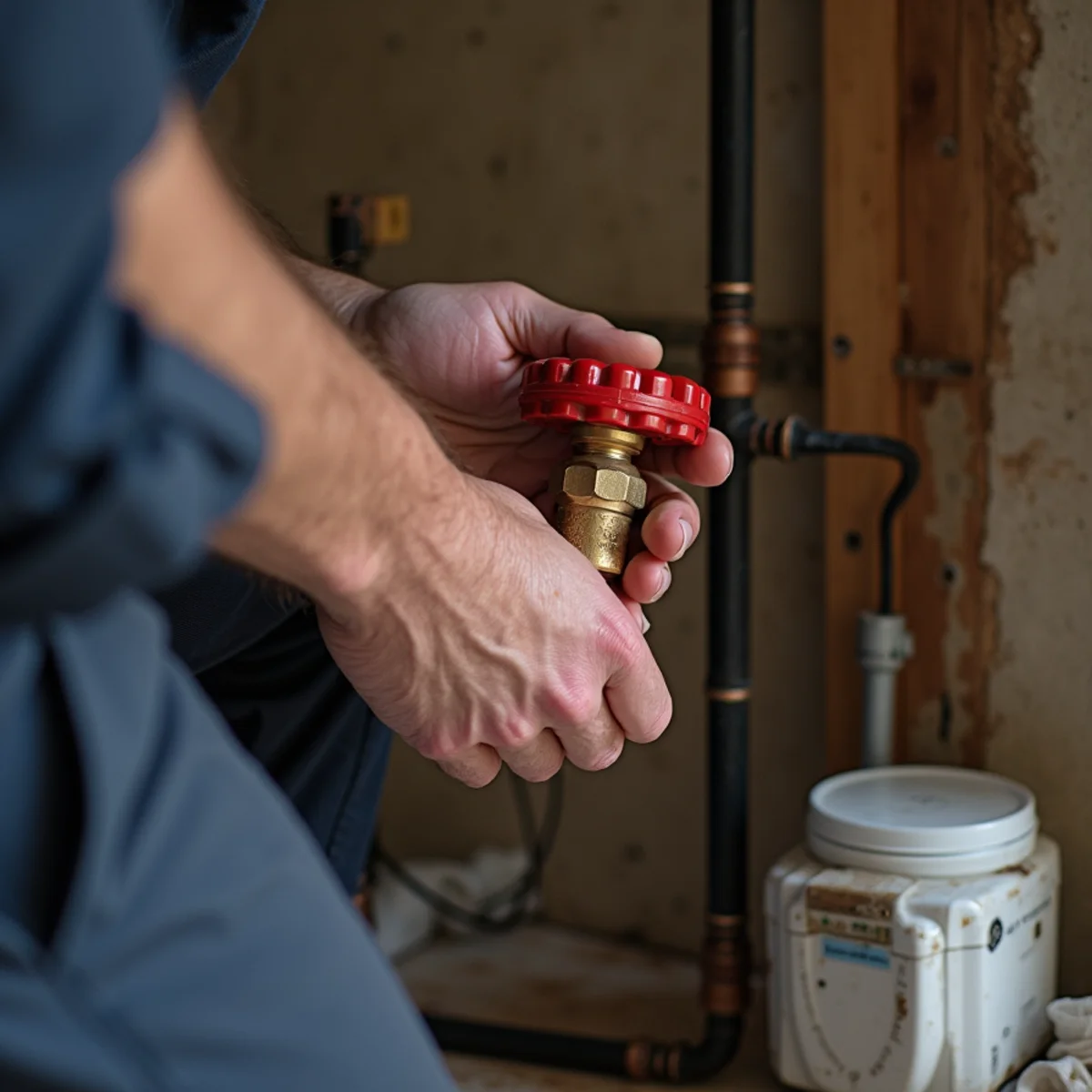
1. Shut off the water
Everything else is secondary. Find the main shutoff and close it.
In most homes around here it is where the supply enters the basement or crawl space, frequently near the water heater. In slab-built homes through Spotsylvania and Stafford it is often in a garage wall or a utility closet. Turn it clockwise — a gate valve takes several full rotations, a ball valve is a quarter turn.
If the main will not close or you cannot find one, there is a shutoff at the meter, usually in a box near the street. It typically needs a meter key or a wrench, and it is worth knowing where yours is before you need it.
If the burst is at a single fixture, the local angle stop under the sink or behind the toilet may be enough — but if there is any doubt, close the main.
2. Kill power in the affected area
If water is near outlets, a panel, or anything electrical, shut off the relevant breakers — but only if you can reach the panel without standing in water. If you cannot reach it safely, get everyone out and call the utility.
Also shut off the water heater. On a gas unit, turn the gas control to off. On an electric unit, kill its breaker. An electric water heater that keeps heating with no water in the tank destroys its elements within minutes.
3. Open the faucets
Once the main is closed, open several faucets — hot and cold, upstairs and down — and flush a toilet. This drains the remaining water in the system to a controlled location instead of through the break.
In a freeze situation it also relieves pressure and helps the pipe thaw safely.
4. Move what you can
Get furniture, boxes, electronics and anything with sentimental value out of the water's path or up off the floor. Pull area rugs. If water is coming through a ceiling, move everything below it and put a container underneath.
One counterintuitive tip: if a ceiling is bulging with trapped water, poking a small hole at the lowest point with a screwdriver and letting it drain into a bucket is better than waiting for the whole section to fall.
5. Then call
Now call for emergency plumbing service. Being able to say "the main is off, the water heater is off, and the break is in the crawl space under the kitchen" gets you a far more useful response than "there is water everywhere."
Two things not to do
Do not use an open flame on a frozen pipe
A torch, propane heater or heat gun aimed at a frozen pipe is how a plumbing problem becomes a structure fire. It happens somewhere every winter. Use a hair dryer, a heating pad, warm towels or a space heater, and work from the faucet end back toward the frozen section.
Do not assume one break means one break
When a house freezes, it usually freezes in more than one place. A second split ten feet away may not be leaking yet only because ice is still holding it closed. That is why we pressure-test the affected run before calling a freeze repair finished.
Documenting for insurance
Before cleanup gets far, photograph everything — the break itself, standing water, damaged materials, and the affected rooms from several angles. Video is even better.
Call your insurer early rather than after the repair. Sudden and accidental water damage is commonly covered; long-term seepage commonly is not, and the difference frequently comes down to documentation. Keep receipts for anything you buy during the emergency, and do not throw away damaged materials until the adjuster has seen them or told you it is fine.
Water damage is a different trade
We stop the water and repair the pipe. Extraction, structural drying, demolition and rebuild are restoration work, and doing them properly requires equipment and expertise we do not claim to have.
What we will do is tell you honestly whether you need a restoration contractor, and point you to people we would use ourselves. Getting drying started quickly matters — the window before secondary damage sets in is measured in a couple of days, not weeks.
The five minutes that prevent all of this
Find your main shutoff today. Confirm it turns. Make sure every adult in the house knows where it is and can operate it. Tag it with a label if it is not obvious.
In a burst pipe emergency, the time spent hunting for the shutoff is the difference between mopping a floor and rebuilding a room. It is the highest-value five minutes of home maintenance there is, and almost nobody does it until after the first flood.
Burst Pipe? Do These Five Things Before You Call Anyone — at a glance
1. Shut off the water 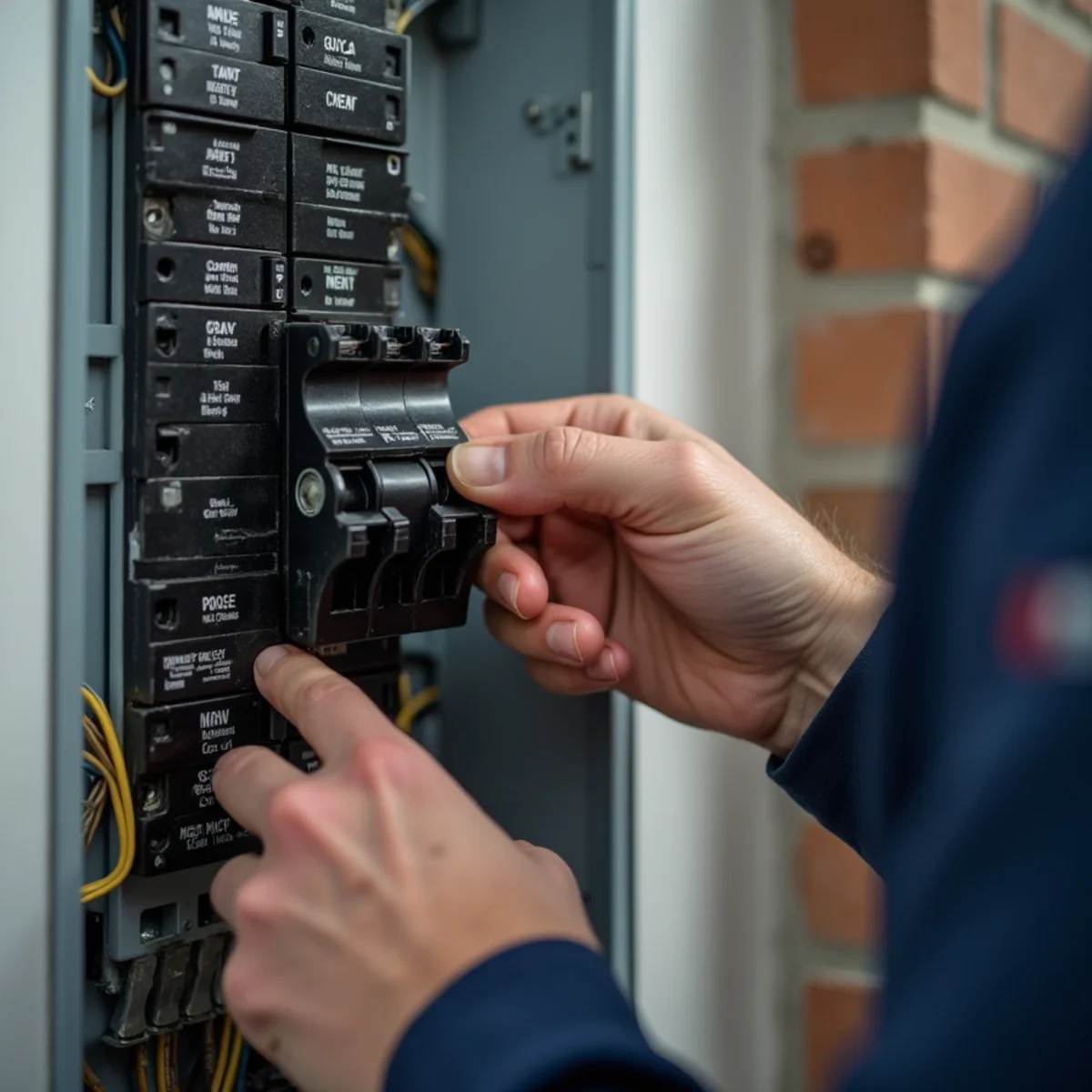
2. Kill power in the affected area 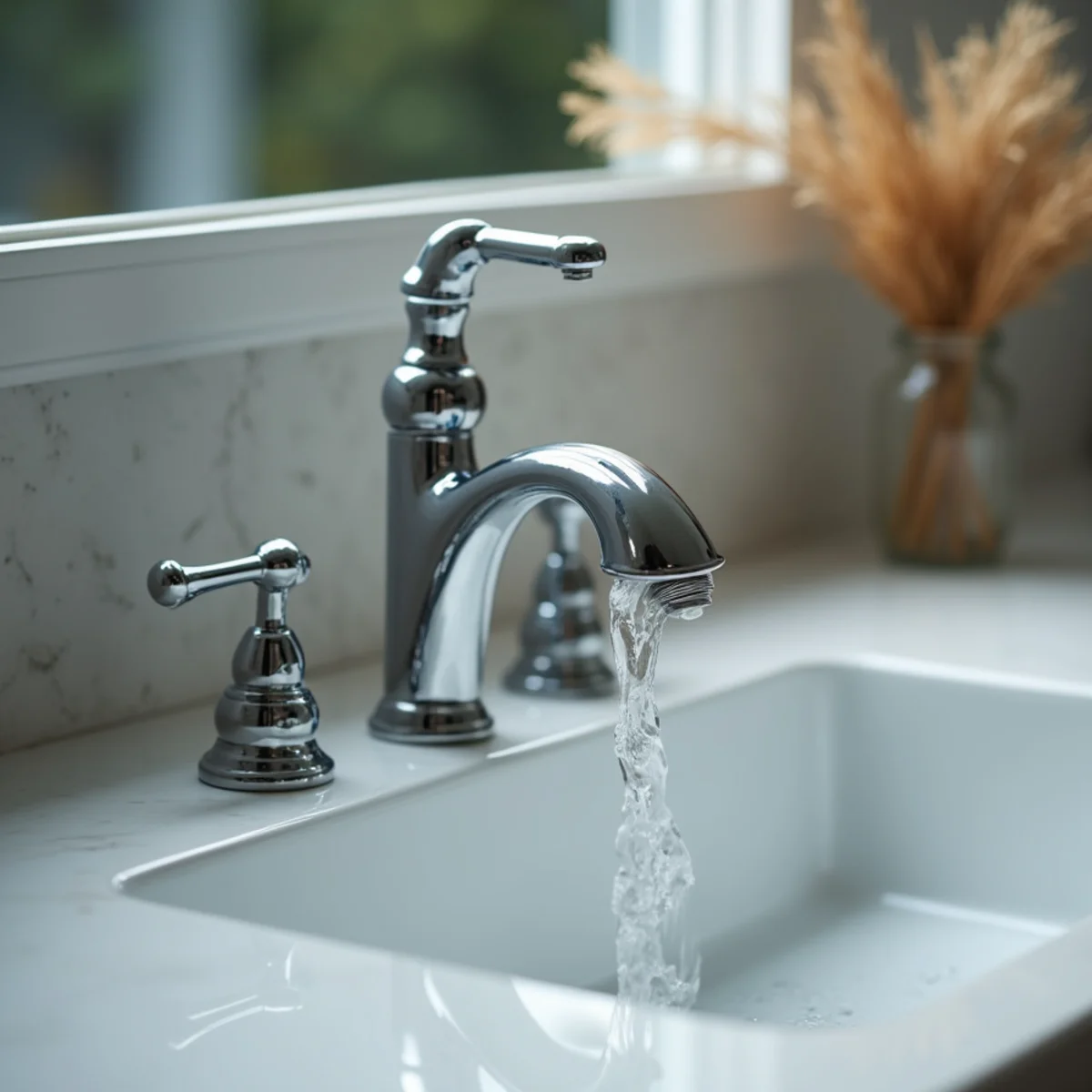
3. Open the faucets 
4. Move what you can 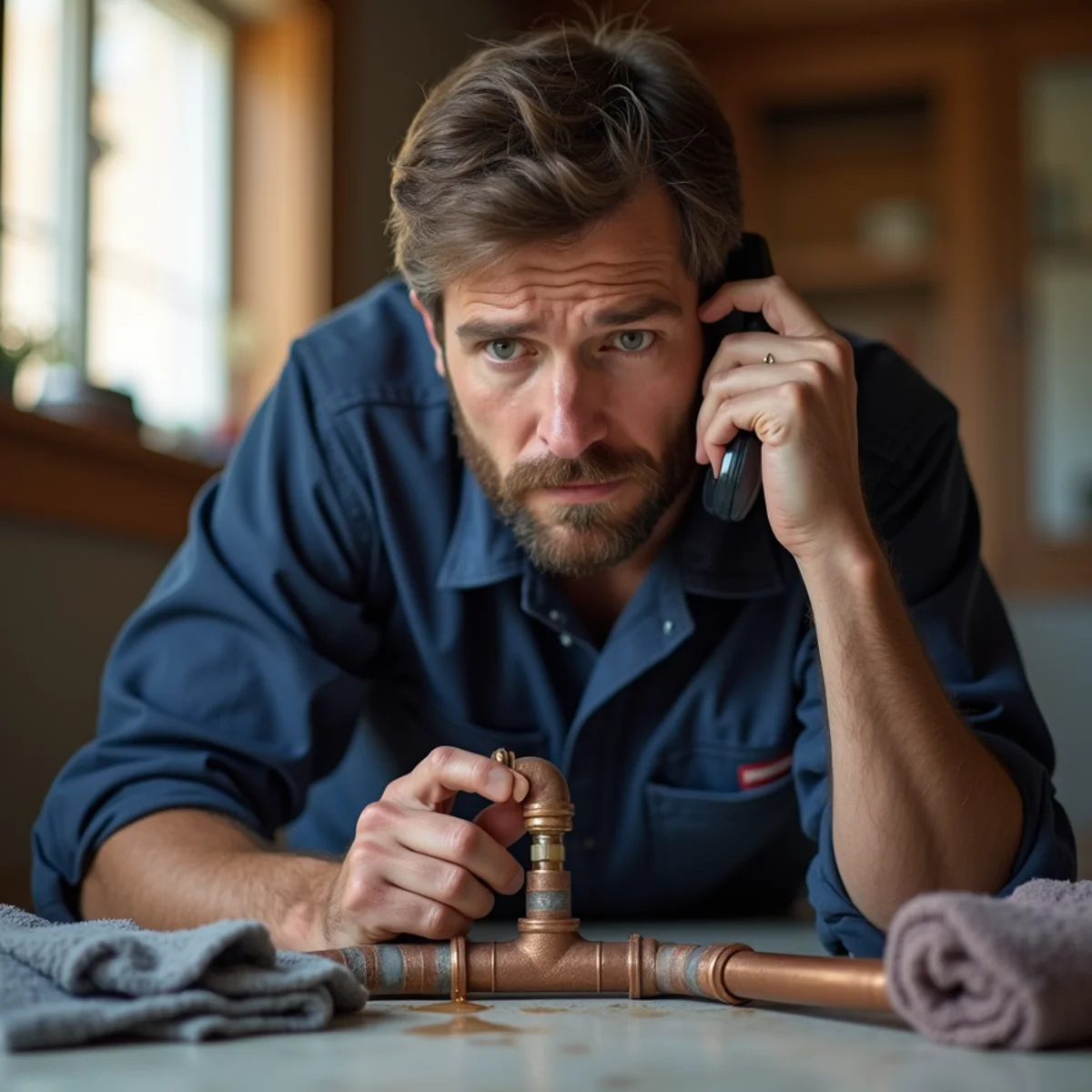
5. Then call
Related services and areas
If this article describes what you're dealing with, these are the pages that cover the fix.
Frequently Asked Questions
In most homes here, where the supply enters the basement or crawl space, often near the water heater. In slab-built homes it is frequently in a garage wall or utility closet. There is also a shutoff at the meter near the street, which usually needs a meter key. Find yours today rather than during an emergency.
Yes. On a gas unit turn the gas control to off; on an electric unit kill its breaker. An electric water heater that continues heating with no water in the tank destroys its elements within minutes, turning a pipe repair into a pipe repair plus a water heater.
Sudden and accidental water damage is commonly covered; long-term seepage commonly is not, and the failed pipe itself is often excluded. Coverage varies by policy. Photograph everything before cleanup, call your carrier early, and do not discard damaged materials until the adjuster has seen them.
No. Never use a torch, propane heater or heat gun — that is how a frozen pipe becomes a house fire. Use a hair dryer, heating pad, warm towels or a space heater, open the affected faucet first, and work from the faucet end back toward the frozen section.
Want it handled?
Talk to a Licensed Fredericksburg Plumber
Written, itemized estimate before we start. We'll also tell you honestly when the answer is that you don't need us yet.
- 4.8 stars · 26 reviews
- Licensed & insured
- 24/7 emergency service